
Île de Groix: The Complete Travel Guide (2026)
Île de Groix Travel Guide: Everything You Need to Know (2026)
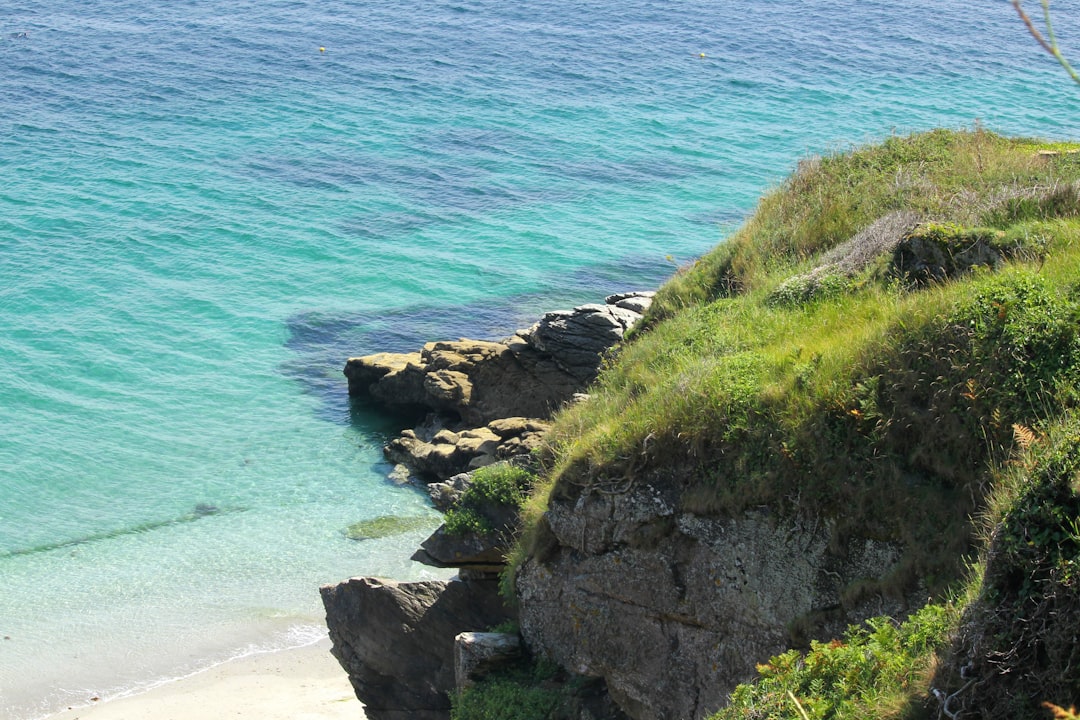
Île de Groix is a granite island lying 14 km off the coast of Lorient in Brittany, France, with a permanent population of just 2,233 residents — making it one of Brittany’s most intimate inhabited islands. At only 47 metres above sea level at its highest point, the island stretches roughly 8 km long and 3 km wide, offering a compact but extraordinarily diverse landscape of cliffs, coves, and heathland. Once the tuna-fishing capital of France in the early 20th century, Groix still carries that proud maritime identity in every harbour-side café and museum.
Top 3 Highlights at a Glance
- Pointe des Chats Nature Reserve — Unique reversed beach where waves deposit sand on the landward side, the only convex beach in Europe.
- Écomusée de l’Île de Groix — Former tuna cannery turned museum telling Groix’s story as France’s leading tuna-fishing port until the 1940s.
- Port-Lay & the Dramatic West Cliffs — Schist and amphibolite cliffs rising from the Atlantic, exposing 500-million-year-old geological formations found nowhere else in Brittany.
Scroll down for our complete travel guide with tips on getting there, where to stay, costs and more.
Arrival & Airport
How do I get to Île de Groix?
Take the Compagnie Océane ferry from Lorient — it is the only public access to Île de Groix. The crossing takes 45 minutes and ferries run multiple times daily year-round, with up to 8 crossings per day in summer. In my experience, book your return ticket as soon as you book your outward journey, especially for July and August departures — the boats fill fast with cyclists and day-trippers from Lorient. One honest caveat most guides skip: rough Atlantic swells in autumn and winter can cause cancellations with very little notice, so build in a buffer day if you have a train to catch.
Which airport is closest to Île de Groix?
Lorient Bretagne Sud Airport (LRT) is the closest airport, located approximately 6 km from the Lorient ferry terminal where you board for Île de Groix. It serves domestic routes from Paris Orly with Air France and Transavia. My tip: flying into LRT is convenient but expensive for the frequency offered. What surprised me is that most international visitors actually fly into Nantes Atlantique (NTE), roughly 160 km away, then take a direct TGV or intercity train to Lorient in under 2 hours — that route is cheaper and far more reliable for connections.
How long does the journey to Île de Groix take from major starting points?
From Paris Montparnasse by TGV to Lorient takes approximately 3 hours 15 minutes, then add the 45-minute ferry crossing — so door-to-dock from Paris runs around 4.5 to 5 hours total. From Nantes, the train to Lorient takes under 2 hours. From Rennes, it is roughly 1 hour 20 minutes by train. In my experience, the Lorient-to-Gare de Lorient-to-ferry terminal transfer is walkable in 12 minutes or a quick €8–10 taxi. The honest caveat: always allow 30 minutes before ferry departure for ticket collection and boarding queues in peak summer.
Do I need a car on Île de Groix?
No — bringing a car to Île de Groix is expensive, restricted, and largely unnecessary. Car ferry spots cost around €80–120 return on top of passenger fares and must be reserved months ahead. The island is 8 km long and perfectly navigable by bicycle. I recommend renting a bike at the port in Le Bourg for roughly €12–18 per day. The one honest caveat: if you have serious mobility limitations, a car does help reach the western cliffs, but even then, locals offer shuttle-style electric bike rentals that handle the terrain well without the ferry reservation headache.
City Transport
What are the best areas to stay on Île de Groix?
Le Bourg (the main village) is where most accommodation clusters and is the ideal base — you are 5 minutes on foot from the ferry port and surrounded by bakeries, restaurants, and the market. Locmaria on the south-eastern tip suits travellers wanting isolation near beaches, but you will cycle or walk everywhere. Port-Tudy, right at the ferry landing, has a handful of gîtes and feels lived-in rather than touristic. In my experience, Le Bourg gives you the best balance of access and atmosphere. Avoid expecting a buzzing nightlife zone — this island quiets down by 10 pm even in August.
What does accommodation cost per night on Île de Groix?
Budget roughly €80–120 per night for a decent gîte or chambre d’hôte in shoulder season, rising to €140–200 for the same rooms in July and August. The island has no chain hotels — accommodation is entirely gîtes, B&Bs, and a small number of holiday cottages. Camping de Groix near Port-Lay charges around €15–22 per night per pitch and is the best budget option on the island. What surprised me: weekly rental cottages with sea views start around €800–1,200 per week — cheaper per-night than booking individual nights, so a full week is genuinely better value if you can commit.
How far in advance should I book accommodation on Île de Groix during high season?
Book at least 3–4 months ahead for July and August on Île de Groix — the island has fewer than 50 formal accommodation units and they sell out completely. In my experience, the best gîtes in Le Bourg and Locmaria are taken by repeat French visitors who rebook the following summer before they even leave. For shoulder season (May, June, September), 4–6 weeks ahead is usually sufficient. The honest caveat most guides omit: always cross-check with Gîtes de France Morbihan directly alongside Booking.com — several properties list exclusively with Gîtes de France and you will miss them otherwise.
Are there special or unique accommodation types on Île de Groix?
Yes — Île de Groix offers genuinely distinctive stays. The most memorable option is renting a traditional Breton longère (granite farmhouse), several of which sit within 500 metres of cliff paths with unobstructed Atlantic views. Camping à la ferme (farm camping) is a rural alternative to the main campsite that almost no travel sites mention. One property near Kervédan rents a converted fisherman’s cottage that sleeps four for under €900 per week in June. My tip: search Airbnb alongside Abritel (the French HomeAway equivalent) — French-language listings on Abritel regularly undercut English-language platforms by 15–20% for the same properties.
Accommodation & Neighbourhoods
What are the must-sees on Île de Groix?
Three things are non-negotiable. First, Pointe des Chats — Europe’s only convex beach, where geology reverses the normal rules entirely. Second, the Écomusée de l’Île de Groix in Port-Tudy, which for €5 entry tells the island’s tuna-fishing history better than any guidebook. Third, the west coast cliff path between Pen Men lighthouse and Port-Lay — a 4 km walk with views that genuinely rival anything on the Brittany mainland. What surprised me: the tuna weathervane on the church in Le Bourg is a humble but iconic symbol that every islander is proud of, and most visitors walk past it without noticing.
What can I experience for free on Île de Groix?
Plenty — Île de Groix rewards slow walkers on zero budget. The GR340 coastal path circumnavigates the entire island in about 18 km and costs nothing. Plage des Grands Sables, the main beach, is free and sheltered. Watching the fishing boats unload at Port-Tudy at dawn is a genuine slice of island life with no ticket required. The Pen Men lighthouse exterior and surrounding heathland are freely accessible. In my experience, the free market in Le Bourg on summer Wednesday mornings — selling local honey, salt-butter caramels, and Breton pottery — is more rewarding than any paid attraction on the island.
Which day trips are possible from Île de Groix?
Île de Groix is itself typically a day trip destination from Lorient, but if you are based on the island, day trips work in reverse. The 45-minute ferry drops you in Lorient, where the Cité de la Voile Éric Tabarly sailing museum is worth 3 hours. Quiberon peninsula is reachable from Lorient by train in 1 hour 10 minutes and connects to Belle-Île-en-Mer by ferry. My honest caveat: day-tripping off Île de Groix eats most of your day with ferry times. I recommend treating the island itself as the destination and saving mainland excursions for a separate trip — the coastal path alone fills two full days.
What are the local specialities to eat and drink on Île de Groix?
Île de Groix specialises in ultra-fresh seafood landed at Port-Tudy daily — grilled bar (sea bass), spider crab (araignée de mer), and langoustines are the standouts. The island produces its own Groix & Nature organic conserves, including tuna rillettes and sardine pâtés sold in the village épicerie. Kouign-amann (a caramelised Breton butter cake) appears in every bakery in Le Bourg for around €3 per slice. My tip: the restaurant La Marine near Port-Tudy serves a €22 seafood plate using that morning’s catch — arrive by 12:15 pm or you will lose your table to regulars.
Highlights & Must-Sees
What makes Île de Groix unique compared to other French islands?
Three things separate Île de Groix from every other French island. Its geology is extraordinary — amphibolite and eclogite rock formations at Pointe de la Croix are among the rarest in Western Europe and draw geology students from across the continent. Its tuna-fishing heritage is commemorated by a tuna-shaped weathervane — the only one of its kind on a French church. And the island’s population of just 2,233 year-round residents means you genuinely eat, cycle, and explore alongside people who live there, not inside a tourist bubble. In my experience, it lacks the commercialisation of Belle-Île while offering equal natural drama.
How many days are worthwhile on Île de Groix?
3 full days is the sweet spot for Île de Groix — enough to walk the complete GR340 coastal circuit (18 km), visit the Écomusée, explore Pointe des Chats, and still have an unhurried evening in Le Bourg. One day is possible as a day trip from Lorient but genuinely unsatisfying — you will spend 90 minutes in transit and barely scratch the western cliffs. Five days suits dedicated walkers or families with young children who want a slower pace. The honest caveat: after 4 days, most independent travellers exhaust the island’s sights and start wanting mainland options — there is no cinema, no large supermarket, and nightlife is essentially nil.
When is the best time to visit Île de Groix?
June is the best month to visit Île de Groix — climate data confirms it as the optimal combination of settled Atlantic weather, long daylight hours (sunset past 10 pm), and manageable crowds. July and August bring guaranteed sun but also ferry queues, packed beaches, and accommodation scarcity. September is my personal favourite: the sea is warmest (around 18°C), crowds drop sharply after the 25th August, and prices fall by 20–30%. What surprised me: May on Groix is spectacularly beautiful with blooming gorse and heather on the cliff paths, and you will share the coastal trail with almost nobody.
What local festivals are worth attending on Île de Groix?
The Fête de la Mer held in Le Bourg and Port-Tudy in early July is the island’s most authentic event — fishing boats are blessed, there is live Breton music, and the port fills with islanders rather than tourists. The Festival des Hortensias celebrates the island’s famous hydrangeas (which line almost every road) in late July with garden walks and local craft stalls. In my experience, these events are small enough that you genuinely participate rather than observe. The caveat: neither festival has a fixed annual date — check the Mairie de Groix website in March for confirmed 2026 dates before booking around them.
Food & Drink
How does the weather affect activities on Île de Groix?
Île de Groix’s Atlantic exposure means wind is the real variable, not rain. The west-facing cliffs at Pen Men and Pointe de la Croix can be genuinely dangerous in Force 6+ winds — the coastal path closes unofficially when gusts exceed 80 km/h, which happens roughly 30 days per year even in summer. Rain is frequent but short — typically passing in 20–40 minutes. My tip: pack a hardshell jacket regardless of the season. The sheltered south-east coast around Locmaria and Plage des Grands Sables remains swimmable and calm even when the west is wild, so you can always find a workable alternative within a 20-minute cycle.
How crowded does Île de Groix get in peak season?
Very crowded relative to its size. In July and August, the island’s 2,233 permanent residents are joined by an estimated 15,000–20,000 seasonal visitors — nearly a 10-fold population surge. Port-Tudy and Le Bourg feel genuinely congested by mid-July, with ferry queues starting at 6 am. The GR340 cliff path remains manageable since most day-trippers don’t stray far from the port. My honest caveat: the island’s single main road becomes a cycling and walking bottleneck on weekends — I found early morning starts (before 8 am) transformed the experience entirely, giving you the western cliffs almost completely alone even in the heart of August.
How safe is Île de Groix?
Île de Groix is exceptionally safe — petty crime is essentially nonexistent on an island of 2,233 permanent residents where everyone knows everyone. The main physical risks are natural: cliff edges on the west coast near Pen Men have no barriers and Atlantic swells can surge unpredictably onto rocks below, so stay 3 metres from edges when wet. Cyclists should note that the single main road has no dedicated cycle lane, and summer car traffic (including rental vehicles driven by unfamiliar visitors) creates genuine hazard near Le Bourg. In my experience, the island requires no special security precautions — leave your hotel room unlocked and it will be fine.
Is English widely spoken on Île de Groix?
French is the island’s only working language — English is spoken by roughly 20–30% of staff in tourist-facing businesses but rarely fluently. In Le Bourg restaurants and the Écomusée, you will find basic English assistance. Outside these spots, expect French only. In my experience, islanders respond warmly to even minimal French effort — a ’Bonjour’ and ’Merci’ opens doors that English alone does not. My tip: download the Google Translate app with the French offline pack before boarding the ferry in Lorient. The honest caveat: ferry timetable announcements during disrupted sailings are made exclusively in French — knowing key words like ’annulé’ (cancelled) and ’retardé’ (delayed) is genuinely useful.
Practical Tips
What is the daily budget for visiting Île de Groix?
Budget realistically for €80–100 per person per day covering accommodation, food, and a bike rental on Île de Groix. Breakdown: gîte bed €50–70 per person sharing, a bakery breakfast €5, a seafood lunch at a port restaurant €18–25, a market dinner assembled from local produce €12–15, and bike hire €12–18. Camping drops the daily total to around €50–60. The hidden cost most budgets miss: the return ferry from Lorient costs around €33–38 per adult — book online with Compagnie Océane for the cheapest fares. A comfortable mid-range budget is €130–150 per day with a proper chambre d’hôte and restaurant dinners.
How does public transport work on Île de Groix?
There is no public bus network on Île de Groix — the island runs on foot, bicycle, and a small number of taxis. A single minibus service operates in high season connecting Port-Tudy to Le Bourg and Locmaria, running roughly 4 times daily for around €2 per trip — but schedules shift year to year. The only reliable motorised option beyond cycling is taxi Groix: one or two local taxi operators serve the island, charging around €8–12 for cross-island runs. In my experience, a rental bike from one of the 3 hire shops near Port-Tudy solves 95% of transport needs — electric bikes cost €25–30 per day and handle the island’s gentle hills without effort.
Which apps do you recommend for visiting Île de Groix?
Five apps make a real difference on Île de Groix. Compagnie Océane (official ferry app) — non-negotiable for checking real-time schedules and booking tickets when sailings change. Komoot or Wikiloc for the GR340 coastal path with offline GPS maps (mobile signal disappears on the west cliffs). Google Translate with French offline — essential for menus and ferry announcements. Météo-France for hyper-local Atlantic weather forecasts accurate to 3-hour windows — far more reliable than generic weather apps for predicting cliff-walk windows. My tip: download all maps offline in Lorient before boarding — island mobile signal runs on Orange and SFR networks but drops to zero at Pointe des Chats and Pen Men.
More Destinations in Europe
Explore our complete travel guides for more Europe destinations: Budapest Travel Guide (2026), Korsika Travel Guide (2026), Bretagne Travel Guide (2026), Budapest Travel Guide (2026), Saint-Étienne Travel Guide (2026).
Useful Resources for Planning Your Trip to Île de Groix
- Wikipedia: Île de Groix — history, geography and background
- Lonely Planet: Île de Groix — itineraries and travel inspiration
- TripAdvisor: Île de Groix — hotels, restaurants and traveller reviews
🎥 Île de Groix Travel Videos

The Ras De Seine, Ile De Groix And Preparing To Sail Across …
SV Tapatya
You are currently viewing a placeholder content from Vimeo. To access the actual content, click the button below. Please note that doing so will share data with third-party providers.
More InformationYou are currently viewing a placeholder content from YouTube. To access the actual content, click the button below. Please note that doing so will share data with third-party providers.
More InformationYou need to load content from reCAPTCHA to submit the form. Please note that doing so will share data with third-party providers.
More InformationYou are currently viewing a placeholder content from GetYourGuide. To access the actual content, click the button below. Please note that doing so will share data with third-party providers.
More Information