
Salerno: The Complete Travel Guide (2026)
Last reviewed: September 2026 · key facts checked against Wikidata
Salerno Travel Guide: Everything You Need to Know (2026)
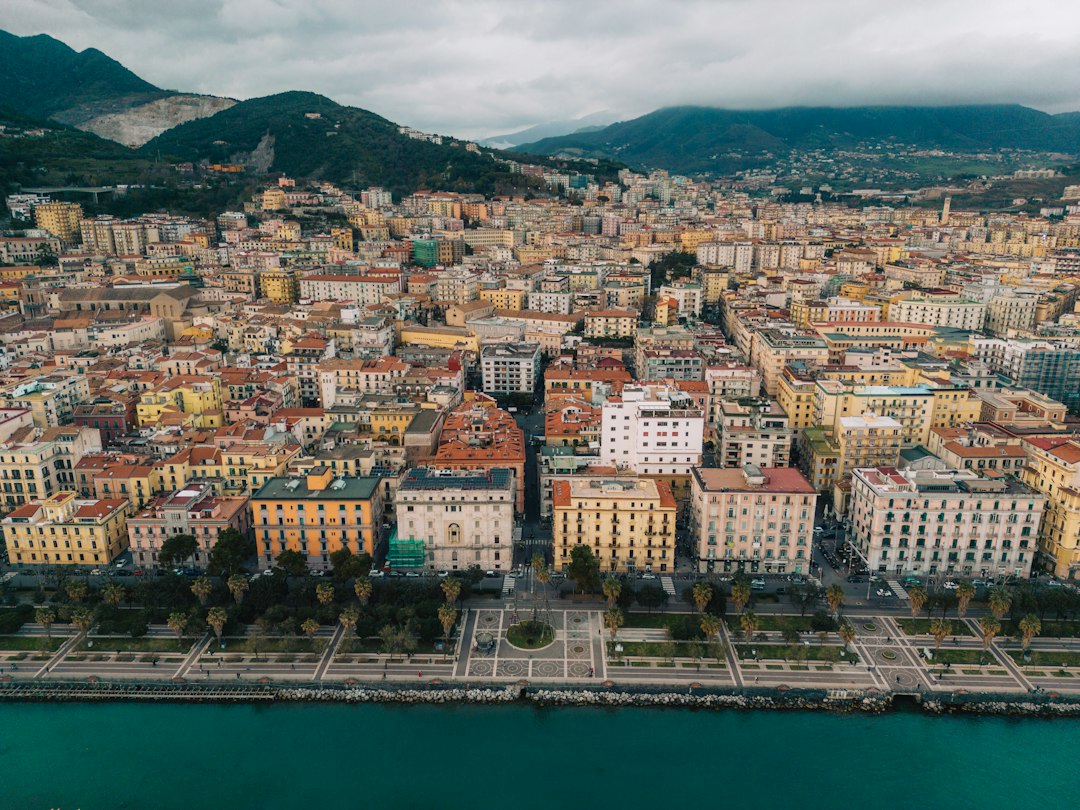
Salerno, a coastal city of 127,186 residents in Campania, sits at 4m above sea level on the Gulf of Salerno — the understated southern Italian gem that most travellers race past on the way to the Amalfi Coast. Founded in ancient times with roots in Magna Graecia, it served as the capital of the Norman Kingdom of Sicily in the 11th century and home to Europe’s first medical school, the Schola Medica Salernitana. Today it functions as a real working Italian city with a UNESCO-listed medieval centre, direct rail connections to Naples, and a fraction of the tourist prices you’ll pay 20 km up the coast.
Three Things Not to Miss in Salerno
- Schola Medica Salernitana Museum — Europe’s first medical school, founded in the 9th century — the museum inside Museo Diocesano is genuinely unique and takes 45 minutes.
- Salerno Medieval Centre (Lungomare Trieste) — A 1.5 km palm-lined promenade bordering a living medieval quarter with zero cruise-ship crowds.
- Salerno Cathedral (Duomo di San Matteo) — Norman-Arab architecture dating to 1076 containing the tomb of Saint Matthew — free entry and uncrowded even in August.
Scroll down for our complete travel guide with tips on getting there, where to stay, costs and more.
Arriving in Salerno: Airport & Transfers
How do I get to Salerno from abroad?
Fly into Naples Capodichino (NAP), 55 km north — it’s your best gateway. In my experience, direct trains from Napoli Centrale to Salerno run every 30 minutes, take 40 minutes, and cost €5–9 on Trenitalia. Rome Fiumicino (FCO) is also viable if you combine with a high-speed Frecciarossa to Naples first. Budget airlines including Ryanair and easyJet serve NAP year-round from most European hubs. What most guides omit: Salerno’s own port receives overnight ferries from Palermo (11 hours, from €35), which is genuinely useful if you’re island-hopping Sicily first.
Which airport is closest to Salerno?
Naples Capodichino (NAP) is the closest international airport, 55 km from Salerno city centre. My tip: skip the airport shuttle services marketed to tourists — instead, take the Alibus from NAP to Napoli Centrale (€5, 15 minutes), then a direct regional train to Salerno (€5–9). Total door-to-door time runs about 90 minutes. The honest caveat: NAP is a small airport with limited long-haul connections, so travellers from North America or Asia will nearly always connect via Rome (FCO) or Milan (MXP). A second option is Pontecagnano Farritto Airport (QSR), just 10 km south of Salerno, but it handles almost no scheduled flights — don’t rely on it.
How long does the journey from Naples to Salerno take?
By direct regional train, exactly 40 minutes from Napoli Centrale to Salerno station. I recommend this over driving — the A3 motorway can add 30–60 minutes in traffic, especially Friday afternoons. The train deposits you at Salerno Piazza Vittorio Veneto, a 10-minute walk from the historic centre and the Lungomare promenade. Tickets cost €5–9 and need no advance booking on this route. What surprises most travellers: the same rail line extends south to Paola (for Calabria) and north to Pompei (30 minutes, €3.50), making Salerno an excellent rail hub for day trips without ever needing a car.
Do I need a rental car to explore Salerno?
No — for Salerno itself, a car is a liability, not an asset. The historic centre, Lungomare, Duomo, and waterfront are all within 15 minutes on foot from the train station. My experience: local buses (CSTP) cover the wider city for €1.30 per ride. However, if your plan includes the Cilento National Park or inland villages like Pertosa (with its cave system), renting a car for 1–2 days makes sense. Expect €35–55/day from agencies near the station. The honest warning: parking in Salerno’s centro storico involves blue-zone paid parking at €1–1.50/hour, and narrow medieval streets make navigation genuinely stressful.
Getting Around Salerno
What are the best areas to stay in Salerno?
Stay in the Centro Storico (historic centre) for atmosphere — via dei Mercanti and the streets around the Duomo put you inside the medieval grid, walkable to everything. The Lungomare Trieste waterfront strip is better for sea views and easier navigation. In my experience, Mercatello (the neighbourhood just west of centre) offers cheaper accommodation with a 10-minute walk to the sights. Avoid booking in the Fratte or Pastena districts unless you have a specific reason — they’re residential suburbs with no tourist infrastructure. My tip: the streets between Piazza Flavio Gioia and Via Roma offer the best balance of location, price, and evening ambience.
What does accommodation cost per night in Salerno?
Budget €60–90/night for a solid 3-star hotel in the centro storico, €90–140 for a 4-star with sea views. In my experience, Salerno runs 30–40% cheaper than Amalfi or Positano for equivalent quality. A clean double room at a B&B costs €50–75. Apartments via Airbnb average €65–100/night for a full flat — good value for stays of 3+ nights. The caveat most guides skip: June–August prices spike sharply, particularly for waterfront properties, which can jump to €150–200/night as Salerno fills with Amalfi-Coast visitors using it as a cheaper base. Book July–August accommodation at least 6–8 weeks ahead.
How far in advance should I book accommodation in Salerno during high season?
For July and August, book 6–8 weeks ahead — Salerno’s modest hotel stock fills faster than most travellers expect because it’s popular with Italians and serves as a budget alternative to Amalfi. In my experience, the sweet spot is mid-September to mid-October: prices drop 20–30%, the sea is still warm (22–24°C), and you can book 2–3 weeks out without panic. The honest warning: the annual Luci d’Artista Christmas light festival (November to January) draws domestic crowds and fills central hotels — if you visit for this event, book 4–6 weeks ahead even in winter.
Are there special or unique accommodation types in Salerno?
Yes — and they’re genuinely worth seeking out. Several palazzo apartments in the medieval centre rent rooms inside 17th and 18th century noble buildings, often with original frescoed ceilings, for €70–110/night. The Amalfi Coast agriturismos in the Cetus hills above Salerno (5–10 km from centre) offer farm-stay rooms from €55–80/night with included breakfast and terrace views over the gulf. My tip: search specifically for ”b&b centro storico Salerno” on Booking.com rather than generic filters — the algorithm buries these gems in favour of chain hotels. Avoid the business hotels near the port; they’re built for trade fair visitors, not travellers.
Where to Stay in Salerno
What are the must-see sights in Salerno?
Three sights stand above everything else. First, the Duomo di San Matteo (1076 AD) — free entry, Norman-Arab architecture, and the crypt of Saint Matthew; plan 45 minutes. Second, the Museo Diocesano housing artefacts from the Schola Medica Salernitana, Europe’s first medical school; tickets cost €5. Third, the Castello di Arechi, a Lombard-Byzantine fortress 300m above the city reachable by bus No. 19 or a 40-minute hike — entry costs €3 and the panorama over the Gulf of Salerno is the best free view in Campania. What I recommend beyond these: walk the full Lungomare Trieste at sunset before dinner, which costs nothing and delivers Mediterranean ambience without a single souvenir stall.
What can I experience for free in Salerno?
More than most cities its size. The Lungomare Trieste promenade is entirely free and genuinely beautiful at golden hour. The Duomo di San Matteo has free entry during non-Mass hours. Parco del Mercatello, a quiet urban park 10 minutes from the station, is free and popular with locals — a reliable way to escape tourist circuits. In my experience, the medieval alleys between Via dei Mercanti and Via Duomo reward aimless walking more than any paid attraction: archways, small shrines, artisan workshops. The Luci d’Artista Christmas light installations (November–January) are free to walk through and genuinely spectacular — 3 km of illuminated installations across the city centre.
Which day trips from Salerno are worth taking?
Pompei is the non-negotiable day trip — 30 minutes by direct train, €3.50, and entry costs €16. I recommend arriving by 9:00am before the coach tours. Paestum’s Greek temples (3 of them, superbly preserved) are 40 minutes south by train from €3 and far less crowded than Pompei. For the Amalfi Coast, take the SITA bus from Salerno’s Piazza della Concordia to Amalfi town (€2.50, 75 minutes) — it’s the same road, half the price, and you keep full flexibility. What most travellers miss: Certosa di San Lorenzo in Padula is 70 km east by car, an enormous 14th-century Carthusian monastery and UNESCO site that sees almost no foreign visitors.
What are Salerno’s local food specialities?
Salerno sits in the heart of DOP San Marzano tomato territory — the authentic ones taste completely different from supermarket versions, and a fresh insalata caprese here is worth more than anywhere north of Naples. Mozzarella di bufala from the Piana del Sele flatlands just south of the city is exceptional: local markets sell it for €6–8/kg, still warm. My favourite local dish: scialatielli ai frutti di mare — a thick, short pasta with mixed seafood, found at nearly every trattoria for €12–16. Don’t leave without trying melanzane alla parmigiana made with local purple aubergines — deeper flavour than anything you’ll find in tourist restaurants in Rome.
Salerno Highlights & Must-Sees
What makes Salerno unique compared to other Italian cities?
Two things genuinely distinguish it. First, Salerno remains a functioning Italian city — not a museum-city. Its centro storico is full of local schools, family-run hardware shops, and bakeries that don’t adjust their menus for tourists. In my experience, this creates rare authenticity for a coastal city this close to major attractions. Second, it sits at the gateway of the Cilento — Europe’s largest and least-visited national park — while being 30 minutes from Pompei and 90 minutes from Naples by train. The honest trade-off: Salerno lacks a blockbuster single attraction; it rewards explorers who appreciate texture over checkboxes.
How many days should I spend in Salerno?
2 full days covers Salerno itself — the Duomo, Castello di Arechi, Museo Diocesano, Lungomare, and centro storico. Add 1–2 extra days if you plan day trips to Pompei and Paestum. In my experience, 3–4 nights makes Salerno an excellent base: you get the city plus day trips without the pressure of moving accommodation constantly. The caveat: if your primary goal is the Amalfi Coast, you might prefer basing yourself in Positano or Ravello despite higher costs, since the SITA bus ride to Salerno is the same in reverse. Use Salerno as your hub if budget matters more than proximity to the clifftop villages.
When is the best time to visit Salerno?
Mid-September through October is my strongest recommendation — the Gulf of Salerno stays warm enough to swim (22–24°C), the Amalfi Coast SITA buses run normally, and the hordes of August tourists have evaporated. Climate data confirms July as the peak warmth month, but July also brings the highest hotel prices and heat that makes the uphill walk to Castello di Arechi genuinely unpleasant by midday. May and June offer excellent conditions with lower prices. The honest warning: November to March sees many Lungomare restaurants close or reduce hours, and some ferry connections to the Amalfi Coast suspend entirely — Salerno in winter works, but it requires more planning.
Are there local festivals in Salerno worth attending?
Two are genuinely worth planning around. Luci d’Artista runs mid-November through January 6 and transforms the city centre and Lungomare into an illuminated art installation spanning 3 km — it’s free, legitimately beautiful, and draws Italians rather than international tourists, giving it an authentic atmosphere. In my experience it’s one of the best free events in southern Italy. The Regata Storica in June recreates a historical boat race on the gulf with costumed crews — small but charming. The honest note: Salerno’s Feast of San Matteo on September 21 closes much of the centro storico and packs restaurants; book dinner that evening 2 weeks in advance without fail.
Eating & Drinking in Salerno
How does Salerno’s weather affect what activities you can do there?
Salerno’s 4m elevation and coastal position mean mild winters (10–12°C average January) and hot summers. The Lungomare is pleasant for walking 9 months of the year. Summer heat (July–August peaks above 32°C) makes midday outdoor sightseeing genuinely uncomfortable — I recommend visiting Castello di Arechi by 9:00am or after 5:00pm in those months. Rainy spells hit most frequently November–February, which can make the Amalfi Coast road dangerous for buses. Spring (April–May) is ideal for the Cilento hiking trails, which become overgrown and scorched by August. What surprises most visitors: October sea swimming in Salerno is entirely realistic, unlike most northern European equivalents.
How crowded does Salerno get in peak season?
Far less than you’d expect given its location. July and August bring noticeable crowds to the Lungomare and Duomo, but nothing resembling the gridlock of Positano or the Amalfi town waterfront. In my experience, Salerno’s Tuesday and Saturday markets near Piazza della Libertà are the most crowded local scenes in summer — genuinely packed with Italians, not tourists. The honest trade-off: Salerno’s relative obscurity means its tourist infrastructure is thinner than comparable cities — fewer English-language museum labels, fewer tourist offices, and restaurant staff who may not speak English fluently outside the main centro storico strip.
How safe is Salerno for travellers?
Salerno is safe for tourists — petty theft is the primary concern, not violent crime. The centro storico at night is well-lit and active with locals, making it more reassuring than Naples’ equivalent streets. In my experience, the area around Salerno train station after 11:00pm deserves normal urban caution — keep bags zipped and phones off tables. The Lungomare is safe until midnight and beyond in summer. The honest caveat: southern Italian pickpocketing is skilled and opportunistic; use a crossbody bag, not a backpack, in crowded spaces like the Tuesday market. Salerno’s crime profile is unremarkable for a southern Italian city of its size.
Is English widely spoken in Salerno?
In tourist areas, yes — in local neighbourhoods, less reliably. Staff at hotels, Duomo, Castello di Arechi, and main waterfront restaurants typically manage functional English. In my experience, venture 3 streets off the Lungomare into the Quartieri Orientali or Mercatello neighbourhood and you’ll encounter locals with minimal English — which I’d argue adds to the city’s authenticity. My tip: download Google Translate with Italian offline pack before arrival, and learn 10 basic phrases. Menus in non-tourist trattorias are Italian-only. The honest note: Salerno is not Prague or Lisbon where English is near-universal — it’s a working southern Italian city, and basic Italian effort is both necessary and genuinely appreciated.
Practical Tips for Salerno
What is a realistic daily budget for Salerno?
Budget travellers: €55–70/day (hostel or cheap B&B, two trattoria meals, transport). Mid-range: €100–140/day (3-star hotel, restaurant lunch and dinner, sights). Comfort: €180–250/day (4-star, including Amalfi day trips). In my experience, a sit-down trattoria lunch with wine costs €14–22 per person in the centro storico — significantly less than Naples tourist-zone prices. The biggest hidden cost: day trips. Pompei entry alone costs €16, plus trains and a guide if you hire one. My recommended approach: build €25–30 buffer/day for day trips, ferries, and spontaneous aperitivo rounds — Italian evenings have a way of extending pleasurably.
How does Salerno’s public transport work?
CSTP buses cover the entire city for €1.30/ride (buy at tabacchi shops — not on buses). The most useful line for tourists is Bus No. 19 to Castello di Arechi. The city centre is compact enough that you’ll walk most of it. Trenitalia regional trains connect Salerno to Pompei (€3.50), Naples (€5–9), and Paestum (€3) efficiently. Ferries from Salerno port (Molo Manfredi) run to Amalfi, Positano, and Capri in summer (May–October), costing €8–20 depending on destination. The honest caveat: ferry schedules change annually and can be suspended without advance notice in rough weather — always check Travelmar or Alicost websites the morning of departure.
Which apps do you recommend for getting around and exploring Salerno?
Five apps earn their storage space. Trenitalia (or Italiarail in English) for all rail bookings — buy tickets before boarding to avoid penalty fares. Google Maps works accurately in Salerno’s centro storico for walking routes. Travelmar for ferry schedules between Salerno and the Amalfi Coast. TheFork (ElTenedor) for restaurant reservations — useful for popular trattorias in peak season. And Duolingo or Google Translate offline for the inevitable moment your waiter speaks zero English. My tip: download OSMAnd with Italy maps as an offline backup — central Salerno’s narrow alleys occasionally confuse Google Maps. Moovit handles CSTP bus timing better than any local alternative.
Salerno at a Glance
| Population | 127,186 |
|---|---|
| Currency | EUR (€) |
| Official language | Italian |
| Time zone | Europe/Rome |
Source: Wikidata, retrieved September 2026.
Italy › Salerno
More Destinations in Campania
More Destinations in Italy
Essential Resources for Planning Your Trip to Salerno
- Wikivoyage: Salerno — community travel guide & practical tips
- Wikipedia: Salerno — history, geography & background
- Fly To Amalfi Coast Italy — how to get there and around
- Salerno travel – Campania, Italy, Europe — itineraries & inspiration
Data Sources
Key facts on this page (population, currency, language, time zone) come from Wikidata, climate figures from Open-Meteo. The retrieval date is shown next to the facts table.