
Stromboli: The Complete Travel Guide (2026)
Last reviewed: October 2026 · key facts checked against Wikidata
Stromboli Travel Guide: Everything You Need to Know (2026)
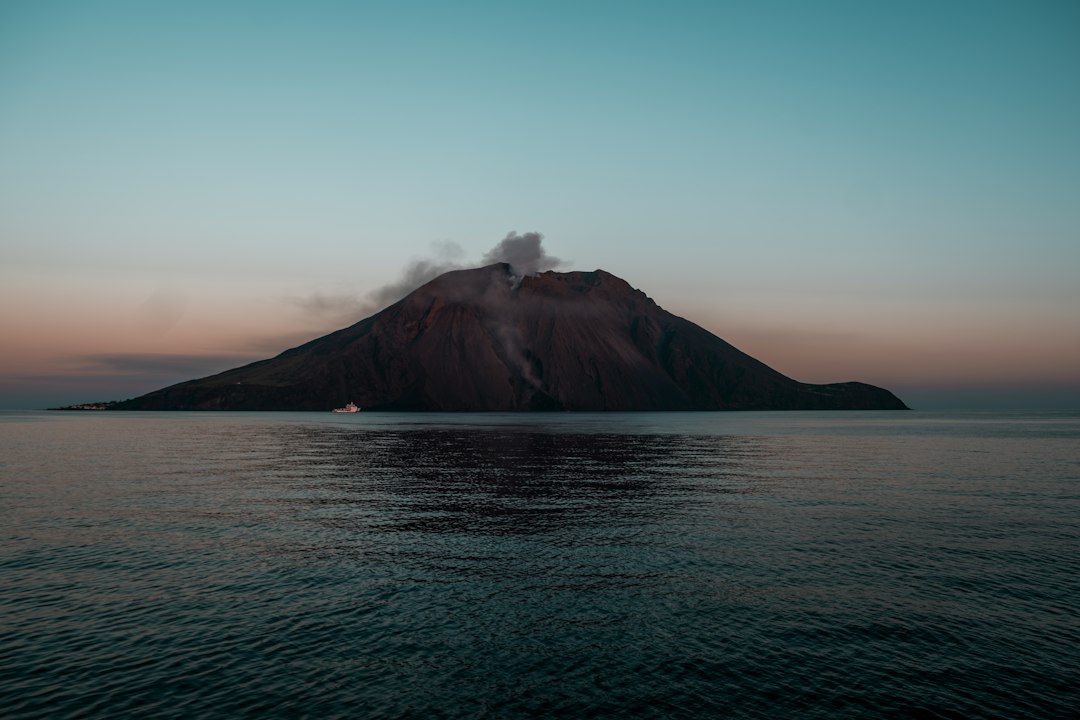
Stromboli is a volcanic island in the Tyrrhenian Sea, part of the Aeolian archipelago north of Sicily, with a permanent population of just 450 residents. The island sits at 926 metres above sea level at its summit — the continuously active Mount Stromboli, which has been erupting almost without interruption for at least 2,000 years. It lies roughly 86 km northeast of Milazzo on the Sicilian coast, making it one of the most remote yet visited volcanic destinations in the Mediterranean.
Three Things Not to Miss in Stromboli
- Mount Stromboli Night Eruption — Watch lava bursts light up the crater rim at dusk from 400 m — guides required above this elevation.
- Sciara del Fuoco — A dramatic lava scar descending 900 m into the sea, best viewed by boat at night.
- Stromboli Village and Black Sand Beaches — Compact whitewashed village with black volcanic sand at San Vincenzo beach, reachable on foot in 10 minutes.
Scroll down for our complete travel guide with tips on getting there, where to stay, costs and more.
Getting to Stromboli: Ferry or Flight
How do I get to Stromboli — by flight or ferry?
Ferry is the only practical option; there is no airport on Stromboli. The nearest airports are Reggio Calabria (REG, ~120 km) and Catania Fontanarossa (CTA, ~180 km) on Sicily, plus Palermo (PMO). From these airports, you travel overland or by rail to a port — chiefly Milazzo or Naples — and then take a hydrofoil or car ferry. Worth knowing: flying into Reggio Calabria gives the shortest total journey for travellers coming from mainland Italy, while Catania suits those combining Stromboli with Sicily. No car transport to the island is practical; leave vehicles at Milazzo port parking.
Which port is the best starting point for Stromboli?
Milazzo, Sicily, is the main gateway, with the most frequent departures year-round. Ferry and hydrofoil operators Liberty Lines and Siremar both run from Milazzo to Stromboli; journey times are approximately 1 hour 45 minutes by hydrofoil or around 4–5 hours by slower car ferry. Naples is an alternative starting port, especially useful if arriving from the north — the overnight ferry from Naples takes roughly 5–6 hours. Tip: Milazzo port has left-luggage facilities and is a short taxi or bus ride from Milazzo train station, which connects directly to Messina and the Sicilian rail network.
How long does the ferry crossing to Stromboli take?
Expect about 1 hour 45 minutes by hydrofoil from Milazzo. The slower conventional ferry from Milazzo takes approximately 4–5 hours. From Naples by overnight ferry, the crossing is roughly 5–6 hours. Crossing times can increase in rough Tyrrhenian sea conditions, and departures are sometimes cancelled entirely in strong winds — this is the main practical risk of visiting Stromboli. Worth knowing: the sea state between November and March is least reliable, and passengers can be stranded on the island for one to two extra days. Always allow buffer days at the end of your trip.
What does a ferry or hydrofoil ticket to Stromboli cost?
Hydrofoil tickets from Milazzo cost approximately €25–€35 per person one way; verify current fares directly with Liberty Lines (libertylines.it) or Siremar. Slower car-ferry crossings are cheaper — around €15–€20 per passenger — but vehicles add significant cost and are impractical given the car-free nature of the island. An overnight ferry from Naples typically runs €50–€90 per person for a seat or cabin, depending on cabin class. Tip: book online at least 3–5 days ahead in July and August when hydrofoils sell out on peak departure days, especially Saturday mornings.
Are overnight ferries to Stromboli worth it?
Yes, if you are departing from Naples — the overnight crossing saves a hotel night and arrives at Stromboli in the early morning, giving a full day on the island. The Naples–Stromboli route operated by Siremar is the most useful overnight option; a basic reclining seat costs roughly €50–€70, a private cabin more. From Milazzo the crossing is too short (~1h 45 min) to make an overnight ferry meaningful. Caveat: cabin quality on Siremar vessels is functional rather than comfortable — do not expect cruise standards. Confirm exact sailing schedules for 2026 directly on the Siremar website, as off-season frequency drops sharply.
Getting Around Stromboli
Do I need a rental car or scooter on Stromboli?
No — Stromboli village is effectively car-free and compact enough to walk entirely. The main settlement, San Vincenzo, and the secondary hamlet of Ginostra are both explored on foot. The only motorised transport you will realistically use is a three-wheeled Ape taxi at the port to carry luggage to your accommodation. Scooter rental is neither widely available nor needed. Worth knowing: Ginostra, on the southwest side of the island, has no road connecting it to the main village and is only reachable by sea or a long mountain path — factor this in if you book accommodation there.
Are there bus connections between villages on Stromboli?
There are no scheduled bus services on Stromboli. The island’s two inhabited areas — San Vincenzo (the main village) and Ginostra — are not connected by a paved road suitable for buses. Walking paths link parts of the island, but the main inter-village connection is a local boat service. Within San Vincenzo, all points of interest are within a 15-minute walk of the port. Tip: confirm with your accommodation whether they can arrange luggage transport from the pier via Ape taxi, especially if you are staying on Via Roma or in the quieter northern part of the village near Punta Labronzo.
What does a rental car cost on Stromboli — and where can I hire one?
Rental cars are not available on Stromboli and would be impractical. The island has no rental agencies and no road network connecting its settlements. For travellers who need a car for the broader Aeolian Islands region, rental is available at Milazzo, Catania, or Messina on the Sicilian mainland — rates from mainland agencies like Europcar or Hertz in Milazzo start around €35–€60 per day. Leave the car in Milazzo’s port parking (approximately €10–€15 per day) before boarding the ferry. Worth knowing: Lipari, the largest Aeolian island and 2 hours by hydrofoil from Stromboli, does offer scooter and golf-cart rentals if you want motorised island exploration on a multi-island itinerary.
Which parts of Stromboli are accessible without a car?
Virtually the entire main village and its beaches are walkable from the port. The pier at San Vincenzo puts you within a 5-minute walk of the village centre, the black-sand beach, and the main restaurants on Via Roma. The authorised viewpoint on the volcano trail at 400 metres elevation (Punta Labronzo observation area) is reachable on foot in about 2 hours. Above 400 m, you must be accompanied by a licensed guide. Ginostra is only reachable by local boat or a challenging 3–4 hour hiking path. Tip: all essential services — supermarket, pharmacy, restaurants — cluster within a 10-minute walk of the ferry pier.
Can you cycle around Stromboli?
No — cycling around Stromboli is not feasible. There is no circumferential road, the volcanic terrain is steep, and bicycle hire is not an established service on the island. The path network is designed for hikers and involves significant elevation gain — the summit sits at 926 metres. For travellers keen on cycling in the Aeolian archipelago, Lipari offers flatter coastal sections and basic bicycle hire options. On Stromboli itself, walking is the universal mode of getting around, and the compact San Vincenzo village makes this effortless for all fitness levels within the flat port area.
Where to Stay on Stromboli
Which town should I base myself in on Stromboli?
San Vincenzo is the only practical base for most visitors. It concentrates all accommodation, restaurants, tour-guide offices, and ferry connections. The secondary hamlet of Ginostra (population under 30) has a handful of rental houses and one small guesthouse — it suits travellers who want extreme quiet and can tolerate boat-only access. We recommend San Vincenzo for first-time visitors: you can watch the volcanic eruptions from Piscità beach on clear nights without any guided hike, and the guide offices for volcano treks (mandatory above 400 m) are a short walk from the pier. Ginostra works better for a second visit or a longer stay of 5+ days.
What does accommodation cost per night on Stromboli?
Expect to pay roughly €80–€150 per night for a double room in a guesthouse or small hotel in high season (July–August). Budget options such as rooms in private houses (camere) start around €60–€90. Rental apartments and small villas rise to €150–€300 per night in peak weeks. There are no large hotel chains on Stromboli; the accommodation stock is small guesthouses, B&Bs, and private rentals listed on platforms like Airbnb and local agency Stromboli Case Vacanze. Worth knowing: prices in June and September drop by roughly 20–30% compared to August peaks, while the overall supply is so limited that even a modest price difference matters — book early regardless of season.
Which area on Stromboli suits which type of traveller?
San Vincenzo suits almost every visitor type — couples, solo hikers, and families with older children. The area around Via Roma and Piscità (north of the village) is quieter and closer to the black-sand beach, while the streets immediately behind the San Vincenzo church are more social and close to restaurants. Ginostra is exclusively for travellers seeking isolation: no ATM, no pharmacy, arrivals and departures by boat only, and facilities limited to a bar and a small guesthouse. Worth knowing: families with young children face no specific hazards in the village flat zone, but the volcanic summit hike (minimum age 14 according to local guide association rules) is not suitable for children.
How far in advance should I book accommodation on Stromboli?
Book at least 2–3 months ahead for July and August. Stromboli has a permanent population of only 450 people and a very limited number of tourist beds — probably fewer than 400 island-wide — so the accommodation stock sells out quickly. For the peak weeks around Ferragosto (15 August), booking 4–6 months in advance is realistic. For September and October — excellent shoulder months — 4–6 weeks ahead is usually sufficient. Worth knowing: many small guesthouses on Stromboli do not list on major booking platforms and must be contacted directly; check the Stromboli tourism information office website or local Facebook groups for unlisted properties.
Are there good apartments or villas with sea views on Stromboli?
Yes — private rental apartments with sea views exist and are the most popular accommodation type for longer stays. Many houses in the Piscità and Ficogrande areas on the north coast offer terraces with direct views over the Tyrrhenian Sea toward Panarea island, roughly 20 km to the south. Expect to pay €100–€200 per night for a well-positioned apartment sleeping two, with higher prices for properties with outdoor space and views of the Sciara del Fuoco lava field. Tip: search directly on Airbnb using the Stromboli map view, or contact the local agency Il Vulcano a Piedi which also lists properties. Confirm whether the rental includes airport/port transfer and linen.
Best Time to Visit Stromboli
When is the best time to visit Stromboli?
July through October is the optimal window, combining warm sea temperatures, reliable ferry crossings, and the best conditions for the volcanic summit hike. September and October stand out as the best balance of good weather, thinner crowds, and lower prices than peak August. July and August are hot (typically 26–30°C on the coast) and the island is at its busiest. Worth knowing: the summit hike requires dry, calm conditions — wind and rain at altitude are genuine safety risks and can cause guides to cancel the ascent on short notice even in summer. Visiting in late September gives roughly a 70–80% chance of a successful summit evening per a 3-night stay.
What is the weather on Stromboli like throughout the year?
Stromboli has a classic Mediterranean climate with hot, dry summers and mild, wetter winters. Coastal summer temperatures typically reach 28–32°C in July and August, dropping to a still-pleasant 18–22°C in October. The sea is swimmable from June through October, with water temperatures around 24–26°C in August. Winter months (November–March) bring rain, strong Tramontane and Sirocco winds, and rough seas that regularly disrupt ferry services. The volcano itself creates localised micro-climates at altitude; the summit at 926 m can be significantly colder and windier than the beach even in summer — always carry a windproof layer for evening ascents.
When does Stromboli get overcrowded?
August — especially the week around 15 August (Ferragosto) — is the most crowded period. Day-tripper boats from Lipari, Panarea, and Milazzo deliver hundreds of additional visitors on summer days, straining the village’s narrow lanes and the limited guide capacity for summit hikes. The authorised guiding association caps summit groups at 20 people per guide, so spaces fill fast in high season. We recommend late June or September as the best alternatives — ferries run reliably, temperatures are high, and the island feels noticeably calmer. Worth knowing: even in peak season, Stromboli never reaches the density of Lipari town or the beaches of Vulcano island (about 80 km southwest), so crowding is relative.
Is there a worthwhile shoulder season on Stromboli?
Yes — September and October are excellent shoulder months. Temperatures remain comfortable at 22–26°C, sea temperatures stay above 22°C through October, and accommodation prices drop by roughly 20–30% versus August. Ferry services from Milazzo remain reliable through October. June is also a good shoulder option — the island is waking up for the season, fewer day-trippers arrive, and guide availability for the summit hike is better. Worth knowing: some smaller guesthouses and a few restaurants close between November and March, so an off-season visit requires checking operating status in advance — contact your accommodation directly to confirm.
When does the beach and watersports season begin on Stromboli?
Swimming is realistic from late May, though the sea is most comfortable from mid-June. The black-sand beaches at Ficogrande and Piscità are the main spots; both are free and public. Sea temperatures reach a swimmable 20°C by late May and peak around 26°C in August. Snorkelling is possible all around the north coast from June through October. Organised watersports are limited — there is no jet-ski hire or parasailing on Stromboli. Boat tours circling the island (including the famous evening Sciara del Fuoco lava-viewing cruise) typically operate from May through October, with operators based at the port offering departures around dusk (approximately 21:00–22:00 in peak summer).
What Stromboli Costs
What does a daily budget cost on Stromboli?
Plan on roughly €100–€150 per person per day for a comfortable mid-range stay covering accommodation, meals, and the volcano hike. A budget breakdown: accommodation share €40–€75 (splitting a double room), meals €25–€40 (two sit-down meals with local wine), guided volcano hike €25–€35 per person, and boat tour €20–€30. A strict budget traveller staying in the cheapest rooms and eating at the village takeaway could reach €80 per day, but Stromboli’s isolated position means food and services carry an island premium. Worth knowing: there is one ATM on the island near the San Vincenzo port area — withdraw sufficient cash before arriving as the machine frequently runs empty in August.
Is Stromboli more expensive than the Sicilian mainland?
Yes — Stromboli is noticeably more expensive than the Sicilian mainland, primarily because all supplies are shipped in by ferry. A simple pasta lunch that costs €8–€10 in Messina or Catania will run €12–€16 in a Stromboli trattoria. Supermarket staples are roughly 20–30% dearer than mainland prices. In comparison, nearby Lipari (the largest Aeolian island, about 2 hours by hydrofoil) is also pricier than Sicily but offers more competition among restaurants and shops, keeping prices marginally lower than Stromboli. The island’s small size and limited supply chain make price competition minimal — there are fewer than 10 restaurants island-wide.
What expenses on Stromboli are unavoidable?
The ferry crossing and the guided volcano hike are the two non-negotiable costs. Return hydrofoil from Milazzo costs roughly €50–€70 per person. The guided summit hike (mandatory above 400 m by Italian National Park regulation) costs approximately €25–€35 per person with agencies such as Magmatrek or Stromboli Adventures — confirm 2026 prices directly with operators. A lava-viewing boat tour costs approximately €20–€30. Tipping is customary but not obligatory — rounding up for guides is appreciated. Worth knowing: volcano summit hikes can be cancelled at short notice by guides for safety reasons (wind, volcanic activity); most reputable operators will reschedule or refund if they cancel, but check the policy before booking.
What does food cost on Stromboli — local versus tourist prices?
There is little distinction between local and tourist pricing on Stromboli — the island is too small for a hidden local circuit. A full dinner with wine in a sit-down restaurant runs €25–€45 per person. A pizza or simple pasta dish costs €12–€18. The most affordable eating is at the small focacceria and panificio (bakery) near the port, where focaccia or filled rolls cost €3–€5. Fresh fish — particularly swordfish and tuna — features on most menus and costs €18–€28 as a main course. Local Malvasia delle Lipari dessert wine from the Aeolian Islands is a worthwhile splurge at around €5–€8 per glass. Bring your own snacks for the volcano hike to avoid overpaying at the single trailhead vendor.
What are the best beaches on Stromboli?
Ficogrande and Piscità are the two main beaches, both with characteristic black volcanic sand and pebbles. Ficogrande, on the north coast a 5-minute walk from the port, is the most accessible and has a beach bar in summer. Piscità, slightly further northwest (~10 minutes on foot), is calmer and gives a direct sightline to the Sciara del Fuoco lava field — making it the best spot for watching night eruptions from sea level without a boat. Both beaches are free and unorganised (no sunbed hire). Worth knowing: black sand absorbs heat aggressively — sand shoes or flip-flops are essential, and the sand can reach temperatures that burn bare feet by early afternoon in July and August.
Beaches & Experiences on Stromboli
What are the top sights on Stromboli beyond the beaches?
The active volcano summit and the Sciara del Fuoco are the defining attractions. The summit hike to 920 m (guided, departing around 17:30 for a sunset-and-eruption experience) takes approximately 3 hours up and reveals explosive lava bursts every 15–20 minutes on average. The Sciara del Fuoco — a concave lava channel scar descending to the sea — is best viewed from a boat tour at night. The San Bartolo church in the village and the house where director Roberto Rossellini filmed the 1950 film Stromboli are minor cultural points of interest. For a broader Aeolian perspective, a day trip to Panarea (approximately 30 minutes by hydrofoil, ~20 km south) adds Bronze Age ruins at Capo Milazzese to the itinerary.
What watersports activities are available on Stromboli?
Snorkelling, swimming, and boat excursions are the main water activities. The underwater volcanic terrain creates interesting snorkelling around the north coast, particularly near Punta Labronzo. Diving is possible — Diving Stromboli and operators based in Lipari run dives around the island’s submarine volcanic structures, with single dives starting around €45–€60. Kayak hire is occasionally available from a port-side operator in summer but is not consistently established — check on arrival. Organised boat tours circumnavigating the island and viewing the Sciara del Fuoco at night depart daily in summer from the main pier. Worth knowing: currents around the island can be strong on the western side; swim only in designated safe areas and follow local advice.
What is the culinary highlight of Stromboli?
Fresh Aeolian-style fish dishes and locally caught swordfish are the culinary centrepiece. The Aeolian kitchen uses capers (grown on nearby Salina island), sun-dried tomatoes, olives, and wild herbs — the classic pasta dish is pasta alla Norma or pasta con il pesce spada (swordfish pasta). Local restaurants like Trattoria ai Gechi and Osservatorio are the most cited — verify current opening status for 2026. The dessert wine Malvasia delle Lipari DOC (produced on Salina and Lipari) is the definitive regional drink. Worth knowing: because supply comes by ferry, menus change based on what has arrived — embrace the daily specials rather than expecting a fixed menu, and ask what fresh fish came in that day.
Which parts of Stromboli are still off the beaten track?
Ginostra is the least-visited part of the island, accessible only by local boat or a 3–4 hour hiking path from San Vincenzo. With fewer than 30 permanent residents, no ATM, and minimal infrastructure, it offers genuine isolation. The northwest coast path between Piscità and Punta Labronzo sees far fewer walkers than the main volcano trail and gives excellent views of the lava field. For a broader off-the-beaten-track Aeolian experience, Alicudi and Filicudi (accessible by hydrofoil from Stromboli via inter-island services, roughly 2–3 hours) are even less visited than Stromboli and lack Stromboli’s summer crowds entirely. Both islands have accommodation but require advance planning.
How many days do I need on Stromboli?
Three nights is the practical minimum to fully experience Stromboli. Night one allows acclimatisation and a beach evening. Night two is the guided summit hike (allow a full day of rest beforehand if doing the full ascent). Night three allows the boat tour to view the Sciara del Fuoco from the sea and a leisurely final morning. A 4–5 day stay rewards travellers who want to explore Ginostra, spend half-days snorkelling, and use Stromboli as a base for a day trip to Panarea (approximately 30 min by hydrofoil). Worth knowing: always build in one extra day as a buffer — sea conditions can delay your departure by 24 hours or more, and missing a flight from Catania or Reggio Calabria is a real risk in shoulder and off-seasons.
Stromboli at a Glance
| Population | 450 |
|---|---|
| Currency | EUR (€) |
| Official language | Italian |
| Time zone | Europe/Rome |
Source: Wikidata, retrieved October 2026.
Italy › Stromboli
More Destinations in Lipari
More Destinations in Italy
Essential Resources for Planning Your Trip to Stromboli
- Stromboli, Italy — official visitor information
- Wikivoyage: Stromboli — community travel guide & practical tips
- Wikipedia: Stromboli — history, geography & background
- Italy travel alert: Etna and Stromboli volcanoes erupt — how to get there and around
- Stromboli, Italy
Data Sources
Key facts on this page (population, currency, language, time zone) come from Wikidata, climate figures from Open-Meteo. The retrieval date is shown next to the facts table.