
Sifnos: The Complete Travel Guide (2026)
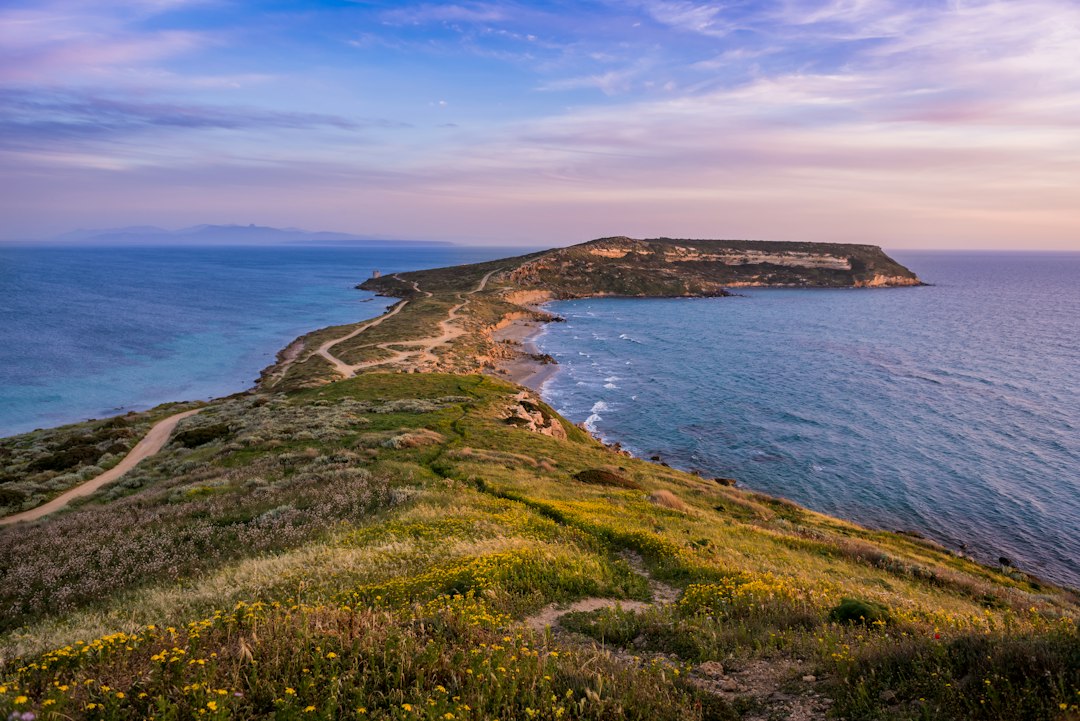
Last reviewed: October 2026 · key facts checked against Wikidata
Sifnos Weather by Month: When to Go
| Month | Day | Night | Sea | Rain days | Rain mm | Wind km/h | Good for |
|---|---|---|---|---|---|---|---|
| Jan | 15° | 11° | 17° | 11 | 71 | 36 | – |
| Feb | 15° | 11° | 16° | 7 | 43 | 34 | Hike |
| Mar | 17° | 12° | 17° | 7 | 36 | 33 | Hike |
| Apr | 19° | 14° | 17° | 4 | 18 | 29 | Hike |
| May | 23° | 18° | 19° | 3 | 11 | 27 | Hike |
| Jun | 28° | 22° | 23° | 1 | 3 | 26 | Swim |
| Jul | 30° | 25° | 25° | 1 | 2 | 30 | Swim |
| Aug | 30° | 25° | 26° | 1 | 4 | 30 | Swim |
| Sep | 27° | 22° | 25° | 2 | 9 | 29 | Swim |
| Oct | 23° | 19° | 23° | 3 | 18 | 28 | SwimHike |
| Nov | 20° | 16° | 21° | 7 | 43 | 31 | Hike |
| Dec | 16° | 13° | 19° | 11 | 73 | 33 | – |
Sources: ERA5 reanalysis via Open-Meteo, 2016–2025 (10-year average) for air temperature, rain and wind (average daily maximum); Open-Meteo Marine API, 2023–2025 for sea surface temperature. A rain day has at least 1 mm. Area averages; individual years vary.
Sifnos Travel Guide: Everything You Need to Know (2026)
Sifnos is a Cycladic island in the Aegean Sea, sitting at approximately 680 m above sea level at its highest peak, Mount Profitis Ilias, and covering roughly 74 km². The island is widely recognised across Greece as a culinary destination, with a disproportionate number of celebrated chefs tracing their roots here. Apollonia, the hilltop capital, connects to a network of ancient kalderimi footpaths that link the island’s 365 churches and chapels.
Three Things Not to Miss in Sifnos
- Apollonia Old Town — The island’s whitewashed capital sits at 300 m elevation and houses the Cycladic Folklore Museum with original 18th-century pottery.
- Kastro Medieval Village — A 13th-century clifftop fortified settlement with intact Venetian architecture perched directly above the Aegean Sea.
- Chryssopigi Monastery — A 17th-century monastery built on a sea-connected promontory, one of Sifnos’s most photographed landmarks.
Scroll down for our complete travel guide with tips on getting there, where to stay, costs and more.
Getting to Sifnos: Ferry or Flight
How do I get to Sifnos — by flight or ferry?
Ferry is the only option: Sifnos has no airport. All visitors arrive by sea from Piraeus (Athens’ main port) or via inter-island connections. The fastest route is the high-speed catamaran from Piraeus, which takes approximately 2.5–3 hours. Conventional ferries take around 5–7 hours but are significantly cheaper and carry vehicles. Operators serving the route include Seajets and Golden Star Ferries; check their websites or ferryhopper.com for current timetables. Worth knowing: inter-island ferries from Milos (about 45 minutes away) allow easy island-hopping combinations.
Which port is the best starting point when arriving in Sifnos?
Kamares is the island’s sole ferry port and your only arrival point. All ferries dock here in a sheltered bay on the western coast. From Kamares, public buses connect directly to Apollonia (the capital, about 5 km uphill) every 30–60 minutes in summer, costing approximately €2. Taxis wait at the port but supply is limited — pre-book through local operators in peak season. Worth knowing: Kamares itself has accommodation and tavernas, so arriving late on an evening ferry is manageable without immediately heading uphill.
How long does the ferry crossing to Sifnos take?
Journey time depends entirely on vessel type. High-speed catamarans from Piraeus take roughly 2.5–3 hours; conventional ferries take 5–7 hours on the same route. From Milos, the crossing is approximately 45 minutes by fast ferry. From Serifos, count around 30–40 minutes. Timetable frequency drops sharply outside July–August — in winter, as few as 3–4 sailings per week connect Sifnos to Piraeus. Always verify schedules on ferryhopper.com or directly with Seajets or Golden Star Ferries, as seasonal adjustments are common.
What does a ferry ticket to Sifnos cost?
A deck-class ticket from Piraeus on a conventional ferry costs approximately €20–35; high-speed catamaran seats run roughly €45–70 one-way. Transporting a vehicle adds €80–150 depending on car size and vessel. Inter-island tickets — for example, Milos to Sifnos — range from about €12–25. Prices rise by roughly 20–30% in July and August. We recommend booking at least 2–3 weeks ahead in peak season through ferryhopper.com or directly on operator sites, as popular fast-ferry sailings sell out. Prices listed are estimates; always confirm with operators.
Are overnight ferries to Sifnos worth taking?
Overnight ferries to Sifnos are not a practical option in most cases. The conventional ferry from Piraeus takes 5–7 hours, not long enough to constitute a true overnight crossing with cabin-style accommodation. Most sailings depart early morning or afternoon. The journey is better viewed as a daytime scenic crossing rather than a sleep-and-arrive experience like those to Crete or Rhodes. Tip: an early morning catamaran from Piraeus gets you to Sifnos by midday, maximising your first day. Check Seajets for the earliest available departure time in your travel window.
Getting Around Sifnos
Do I need a rental car or scooter on Sifnos?
A rental car is not essential but significantly expands your flexibility. The island’s road network is compact — the main paved road runs roughly 18 km from Kamares to Vathi. Public buses cover the main villages but run infrequently outside peak hours. Scooters and ATVs are popular and cost approximately €25–45 per day from rental agencies in Kamares and Apollonia. Cars run roughly €40–70 per day in high season. Worth knowing: parking in Apollonia and Kastro is limited and some lanes are too narrow for cars, making a scooter genuinely more practical for exploring.
Are there buses between towns on Sifnos?
Yes — KTEL buses operate the main route between Kamares, Apollonia, Artemonas, Kastro, Faros, and Platis Gialos. In July and August, buses run roughly every 30–60 minutes on core routes from approximately 07:00 to 23:00. A single ticket costs about €2. Off-season (October–May), frequency drops to a few times per day and some routes are suspended. The bus system works well for moving between major villages but will not reach smaller beaches like Vathi or Heronissos. Tip: pick up a printed timetable at the Kamares port or Apollonia square on arrival, as the KTEL website is not always up to date.
What does a rental car cost on Sifnos — and where do I hire one?
Rental cars cost approximately €40–70 per day in peak season (July–August). Several local agencies operate in Kamares near the ferry dock and in Apollonia; look for Aegean Rent a Car and similar island operators. ATV and scooter rentals are cheaper at €25–45 per day. Most agencies require a credit card for deposit and a valid EU or international driving licence. Worth knowing: vehicle supply on a small island is genuinely limited — in August, cars book out days in advance. Reserve your vehicle before arriving, especially if you plan to pick it up immediately off the ferry.
Which parts of Sifnos are accessible by public transport?
**The main spine of the island — Kamares, Apollonia, Artemonas, Kastro, Faros, and Platis Gialos — is well served by KTEL bus. From Platis Gialos, the beach at Chryssopigi is a short walk. However, the quieter villages of Vathi (southwest coast) and Heronissos** (north) are not on the regular bus route and effectively require a rental vehicle or taxi. Taxis are available but scarce; in August, waits of 30–60 minutes are common. Tip: the island’s kalderimi footpaths connect many villages and are a genuine alternative to motorised transport for fit walkers — Apollonia to Kastro is about 2 km on foot.
Can I cycle around Sifnos?
Cycling on Sifnos is possible but challenging due to hilly terrain. The island rises to 680 m at Mount Profitis Ilias, and most roads between villages involve significant elevation change. Road cycling between Kamares and Apollonia, for example, climbs steeply over about 5 km. Mountain bikes and e-bikes can be rented from a small number of outlets in Apollonia; confirm availability before your trip as stock is limited. Walking the ancient kalderimi paths is a far more popular and rewarding active option — the network covers over 100 km across the island. Cycling is best suited to the relatively flat coastal area around Platis Gialos.
Where to Stay on Sifnos
Which town on Sifnos should I base myself in?
Apollonia is the best all-round base, placing you at the centre of the island with bus connections in all directions, the highest concentration of restaurants and shops, and easy walking access to Artemonas and Kastro. Beach lovers should consider Platis Gialos, which offers direct beach access and a quieter atmosphere, about 6 km south of Apollonia. Kamares suits travellers with late arrivals or early departures by ferry. Vathi is the most secluded option — a tiny fishing bay accessible only by dirt road or sea — ideal for those prioritising quiet over convenience. Compared to busier Cycladic capitals like Mykonos Town, Apollonia feels genuinely village-scaled.
What does accommodation cost per night on Sifnos?
Expect to pay roughly €80–150 per night for a mid-range double room in peak season (July–August). Budget studios start around €50–70 in Kamares or Platis Gialos. Boutique hotels in Apollonia or hillside properties with Aegean views charge €150–300+ per night in August. Villas and larger apartments for weekly rental vary enormously — from roughly €700 to €2,500+ per week depending on size and location. Off-season (October–May), prices drop by 30–50% and availability is plentiful. Worth knowing: Sifnos accommodation tends to run more expensive than equivalent rooms on Milos or Serifos, largely due to the island’s upmarket culinary reputation.
Which area of Sifnos suits which travel style?
Match your base to your priorities. Apollonia suits travellers who want to be near restaurants, culture, and nightlife — it is the island’s social and commercial hub. Platis Gialos suits beach-focused visitors: a long sandy bay with sun loungers, water sports, and tavernas within walking distance. Kastro appeals to history and architecture enthusiasts — the medieval village is walkable from Apollonia and dramatically quiet by evening. Vathi suits those seeking isolation; the bay has a handful of traditional restaurants and almost no infrastructure. Artemonas, just above Apollonia, is a refined residential village with neoclassical mansions — better for a quiet cultural stay than for nightlife.
How far in advance do I need to book accommodation on Sifnos?
Book at least 2–3 months ahead for July and August. Sifnos has a limited accommodation stock — the island’s permanent population is roughly 2,600 — and peak-season demand from Athenian weekenders and international travellers fills hotels quickly. The Greek Orthodox Assumption holiday on 15 August creates an especially intense demand spike; accommodation around that date is often fully booked by April. Shoulder months (June and September) allow 3–4 weeks’ notice in most cases. Off-season travellers (October–May) can often book a week ahead or on arrival, though many properties close entirely between November and March.
Are there good apartments or villas with sea views on Sifnos?
Yes — sea-view apartments and villas are a genuine strength of Sifnos accommodation. Properties around Platis Gialos, Faros, and Vathi offer direct or close sea views. Platforms including Airbnb and Booking.com list studio apartments from roughly €70–120 per night in shoulder season. Purpose-built villa rentals with private pools exist mostly in the hills above Kamares and Artemonas, ranging from about €200–600+ per night depending on size. Worth knowing: listings described as “sea view” in Apollonia often mean a distant hilltop view rather than a beachfront setting — read photo descriptions carefully and check exact map locations before booking.
Best Time to Visit Sifnos
When is the best time to visit Sifnos?
June, September, and October offer the best combination of weather, fewer crowds, and value. Based on climate analysis, the recommended travel window runs from June through November. July and August deliver guaranteed sunshine and warm seas but bring peak crowds and prices. September is widely considered the ideal month: sea temperatures remain high (around 24–25°C), crowds thin noticeably after the first week, and restaurants are still fully operational. October suits walkers and cultural visitors — the kalderimi trails are cooler and the island is nearly tourist-free. Compared to Santorini or Mykonos, Sifnos feels relatively quiet even in August, but it is far from empty.
What is the weather on Sifnos like throughout the year?
Sifnos has a typical Cycladic Mediterranean climate — hot, dry summers and mild, wetter winters. July and August average around 28–32°C, with strong northern meltemi winds common from mid-July onward that can make exposed beaches choppy. June is warm and less windy, typically 23–27°C. October stays pleasant at around 18–22°C with occasional rain. Winter months (December–February) are mild by northern European standards — roughly 12–15°C — but ferry connections reduce significantly and most businesses close. The island sits at 680 m at its highest point, so inland areas and mountain trails can feel noticeably cooler than coastal zones even in summer.
When does Sifnos get overcrowded?
The last two weeks of July and all of August are the most crowded. The Assumption of the Virgin Mary on 15 August is a major pan-Greek religious and national holiday; Sifnos fills with Athenian families during the week surrounding this date. Ferries from Piraeus sell out, beaches at Platis Gialos become packed, and restaurant queues are common. Greek Easter (moveable, typically April) also brings a noticeable but shorter surge. By contrast, mid-September sees a sharp drop in visitor numbers while conditions remain excellent. Worth knowing: Sifnos draws a notably Hellenic crowd compared to more internationally promoted islands, so Greek school holidays drive peaks more than international summer patterns.
Is there a worthwhile shoulder season on Sifnos?
Yes — June and September–October are genuinely excellent on Sifnos. In June, accommodation is 20–30% cheaper than August peaks, beaches are uncrowded, and the entire restaurant and hospitality scene is fully open. September extends the beach season while slimming crowds; sea temperature stays comfortable at roughly 24°C well into October. The island’s network of kalderimi walking trails is more enjoyable in the cooler shoulder months than in the August heat. Worth knowing: many smaller guesthouses and villa rentals begin closing from late October, and by November the island transitions to off-season mode with limited dining and ferry options. Unlike Milos, which has broader winter access, Sifnos quiets significantly outside the May–October window.
When does the beach and watersports season begin on Sifnos?
The organised beach season typically runs from late May to early October. Sun loungers and umbrellas appear on Platis Gialos and Faros beaches from around late May; sea temperatures reach swimmable levels (roughly 21–22°C) by June. Watersports concessions — offering paddleboarding, kayaking, and snorkelling equipment — typically operate from June through September at Platis Gialos, the island’s longest and most developed beach. By late October, most concessions have closed and beach tavernas reduce their hours. Worth knowing: the meltemi wind, which intensifies in July and August, can make the exposed western beaches choppy on some days — calmer swimming is found on the south coast at Vathi.
What Sifnos Costs
What does a daily budget cost on Sifnos?
Budget roughly €80–120 per person per day for a comfortable mid-range visit. This covers a mid-range room share (split double at €100–150/night), two restaurant meals, a coffee, and local transport. Eating at traditional kafeneions and self-catering keeps costs closer to €50–70 per day. Travellers staying at upscale boutique hotels in Apollonia and dining at well-regarded restaurants like To Meropi or similar should budget €180–250+ per day. Worth knowing: Sifnos sits at the higher end of Cycladic island pricing — comparable to Paros but noticeably more expensive than Serifos or Kythnos — partly due to its culinary reputation driving restaurant prices upward.
Is Sifnos more expensive than the Greek mainland?
Yes — Sifnos is meaningfully more expensive than the mainland and than less-touristed islands. Ferry transport adds cost to every item shipped to the island, which flows through to restaurant and supermarket prices. A taverna meal that costs €10–13 in Athens might run €15–20 for a similar dish in Sifnos in peak season. Accommodation is also pricier than equivalent rooms in, say, Thessaloniki or Nafplio. Fuel and rental vehicles carry island premiums. The upside: the island’s culinary quality genuinely justifies the food cost, and the total price is still well below comparable Greek islands like Mykonos or Santorini, where a mid-range restaurant meal routinely exceeds €25–35 per person.
What expenses are unavoidable when visiting Sifnos?
Ferry tickets, accommodation, and food are your three fixed costs — and all carry island premiums. A return fast-ferry from Piraeus costs approximately €90–140 per person. Accommodation in peak season starts around €80/night for a basic studio. Dining out is nearly unavoidable since self-catering infrastructure (supermarkets) is limited, particularly outside Apollonia and Kamares. Taxi fares add up quickly given the scarce supply — a Kamares-to-Apollonia taxi runs roughly €10–15. Tip: buying bottled water and snacks at Kamares supermarkets before heading to beach villages saves noticeably versus buying at beach kiosks, where a €0.50 water bottle can cost €2–3.
What does food cost on Sifnos — local taverna prices versus tourist restaurants?
A full meal at a local taverna costs roughly €14–20 per person including a carafe of wine. Traditional dishes like revithada (chickpea stew, the island’s signature dish) or mastelo (lamb baked in wine) are priced around €9–14 per main course. Tourist-facing restaurants in prime spots — the terrace at Kastro or seafront at Platis Gialos — charge €18–28 per main. A Greek coffee runs about €2–2.50; a draught beer roughly €4–5. Worth knowing: Sifnos has a genuine food culture rooted in ceramic slow-cooking traditions, so paying slightly more at a reputable restaurant often reflects real culinary craft rather than pure tourist markup. Check recommendations from Greeking.me for vetted options.
What are the best beaches on Sifnos?
Platis Gialos is the island’s longest and most organised beach, stretching roughly 800 m with sun loungers, tavernas, and watersports. Vathi is a quiet, deep-bay beach on the southwest coast — reached by boat or a long dirt road — with exceptional swimming and two traditional fish tavernas. Faros offers three small coves within short walking distance of each other, popular with families. Chryssopigi (near Faros) is photographically stunning, set adjacent to the 17th-century monastery promontory. Apokofto near Kastro is a smaller, rockier beach with dramatic clifftop views. Worth knowing: the meltemi wind affects north-facing and west-facing beaches more; south coast beaches like Vathi remain calmer during wind episodes.
Beaches & Experiences on Sifnos
Top sights beyond the beaches on Sifnos?
Kastro medieval village is the island’s most compelling non-beach sight — a 13th-century Venetian fortified settlement perched on a sea cliff, with a small archaeological museum (entry approximately €2). Apollonia’s Cycladic Folklore Museum displays traditional Sifnian ceramics and island artefacts. The Profitis Ilias Monastery at 680 m is reachable by trail and offers panoramic views across the Cyclades. The ancient kalderimi footpath network — over 100 km of stone-paved mule paths — is a cultural and natural experience unique to the island. Artemonas is worth half a day for its neoclassical Venetian-influenced mansions, distinctly different in character from whitewashed Cycladic norms.
What watersports activities are available on Sifnos?
Paddleboarding, kayaking, snorkelling, and sailing are the main watersports options. Concessions at Platis Gialos rent paddleboards and kayaks from approximately €15–25 per hour in peak season. Snorkelling is excellent around the rocky outcrops near Chryssopigi and Apokofto. Sailing and yacht charters are available through operators based in Kamares — half-day island-circumnavigation trips run roughly €60–90 per person on shared boats; check local boat operators at the port. Diving infrastructure is minimal compared to islands like Milos, which has dedicated dive centres. Windsurfing and kitesurfing equipment is not widely available due to inconsistent wind conditions on most beaches.
What is the culinary highlight of Sifnos?
Revithada — slow-cooked chickpea soup baked overnight in a sealed clay pot — is the definitive Sifnian dish. Traditionally prepared in ceramic tsikali pots (a craft the island has produced for centuries), the dish is cooked in wood-fired communal ovens and served on Sunday. The island’s ceramic cooking tradition is inseparable from its food culture. Mastelo — lamb or goat slow-cooked in red wine in a clay vessel — is the other flagship. Sifnos has produced a remarkable number of influential Greek chefs, including the late Nikolaos Tselementes, author of the 20th century’s most influential Greek cookbook. Tip: seek out Sunday revithada at traditional tavernas in Artemonas or Apollonia for the most authentic version.
Which parts of Sifnos are still off the beaten track?
Vathi and Heronissos are the island’s two genuinely quiet corners. Vathi, on the southwest coast, is a deep bay reachable by boat from Kamares (roughly 20 minutes) or via a long unpaved road — its two tavernas attract almost exclusively return visitors and sailing crews. Heronissos in the north is a tiny fishing hamlet with no tourist infrastructure, accessible only by rough road. The interior walking trails — particularly the route from Apollonia to Profitis Ilias monastery — are walked by a fraction of the island’s visitors despite their quality. Worth knowing: compared to heavily Instagrammed islands like Santorini and Mykonos, almost the entire interior of Sifnos qualifies as off the beaten track by Cycladic standards.
How many days do I need on Sifnos?
Five to seven days is the ideal stay for a full Sifnos experience. Three days covers the main villages — Apollonia, Kastro, Artemonas — and one or two beaches, but feels rushed. With five days, you can walk key segments of the kalderimi trail network, reach Vathi by boat, explore all four main beaches, and eat your way through the island’s food traditions. A week allows unhurried days and the possibility of a day-trip ferry to nearby Milos (45 minutes away) or Serifos (30–40 minutes). Worth knowing: Sifnos rewards a slow pace more than most Cycladic islands — its value is in repeated meals at local tavernas and long walks rather than a checklist of sights.
Sifnos at a Glance
| Currency | EUR (€) |
|---|---|
| Official language | Greek |
| Time zone | UTC+02:00 |
Source: Wikidata, retrieved October 2026.
Greece › Sifnos
More Destinations in South Aegean Region
More Destinations in Greece
Essential Resources for Planning Your Trip to Sifnos
- Greece: This little-known island is a must-visit this summer — official visitor information
- Wikivoyage: Sifnos — community travel guide & practical tips
- Wikipedia: Sifnos — history, geography & background
- Sifnos island Travel guide 2024, Cyclades, Greece — how to get there and around
Data Sources
Key facts on this page (population, currency, language, time zone) come from Wikidata, climate figures from Open-Meteo. The retrieval date is shown next to the facts table.