
Xanthi: The Complete Travel Guide (2026)
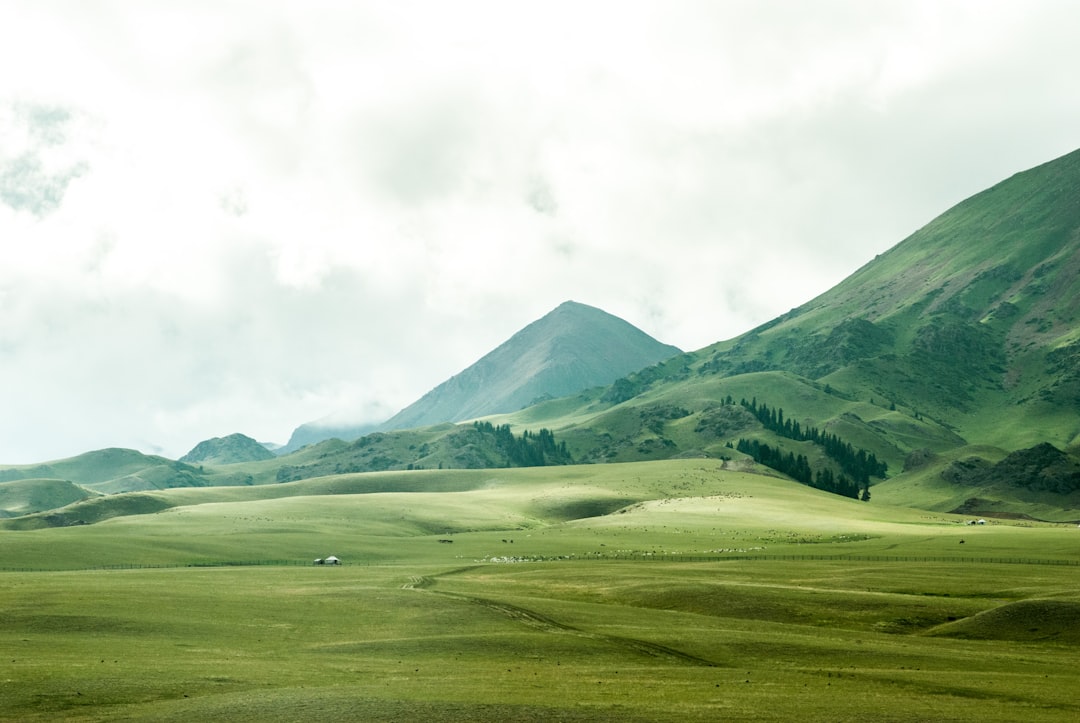
Last reviewed: September 2026 · key facts checked against Wikidata
Xanthi Travel Guide: Everything You Need to Know (2026)
Xanthi is a city of 66,875 residents in northeastern Greece’s Western Thrace region, sitting roughly 110 km east of Kavala and just 50 km from the Bulgarian border. Founded in medieval times and flourishing as a major tobacco-trading hub from the 19th century onward, it retains one of Greece’s best-preserved Ottoman old quarters. What surprised me most was how few international tourists show up here despite its extraordinary architecture and vibrant multicultural street life.
Three Things Not to Miss in Xanthi
- Xanthi Old Town (Palaia Xanthi) — A labyrinth of 19th-century tobacco mansions and cobblestone lanes — over 900 listed heritage buildings in one compact quarter.
- Xanthi Saturday Bazaar — The largest weekly street market in northeastern Greece, drawing vendors and shoppers from across Thrace every Saturday since Ottoman times.
- Folk History Museum of Xanthi — Housed in a restored tobacco merchant’s mansion, it displays 3,000+ artefacts documenting Thrace’s layered Greek, Turkish, and Pomak cultures.
Scroll down for our complete travel guide with tips on getting there, where to stay, costs and more.
Arriving in Xanthi: Airport & Transfers
How do I get to Xanthi?
Fly into Kavala International Airport (KVA), roughly 70 km west of Xanthi — it is the closest option. Alternatively, Alexandroupolis Airport (AXD) lies 55 km east and handles connections from Athens. In my experience, KVA has more frequent Aegean Airlines flights from Athens (€40–€90 one-way), while AXD is smaller but closer. From either airport, you need a taxi or rental car, as no direct airport bus serves Xanthi. The intercity KTEL bus from Thessaloniki takes roughly 3.5 hours and costs around €22, making it an honest budget alternative if you are already in northern Greece.
Which airport is closest to Xanthi?
Alexandroupolis Airport (AXD) is geographically closest at approximately 55 km east of Xanthi, but Kavala International Airport (KVA) at 70 km west often has better flight frequency and occasionally cheaper fares from Athens. My tip: compare both on the same date before booking — AXD is served primarily by Sky Express and Olympic Air, while KVA gets Aegean. The honest caveat is that neither airport has great ground transport onward; a taxi from AXD to Xanthi costs around €55–€65, and there is no scheduled shuttle. Factor that cost into your total when choosing which airport.
How long does the journey to Xanthi take from major Greek cities?
From Thessaloniki, the KTEL intercity bus takes 3.5 hours and costs around €22; driving is similar. From Athens, there is no practical land option — a flight to KVA or AXD followed by a 45-minute taxi is the standard approach, making total door-to-door travel roughly 4 hours. The overnight train from Thessaloniki via the Pythion line still technically exists but runs infrequently and slowly — I recommend skipping it entirely. What surprised me is that Xanthi sits on the E90 motorway, so driving from Thessaloniki is genuinely smooth and fast, especially outside July and August.
Do I need a rental car to explore Xanthi?
For the city itself, no — Xanthi’s Old Town and central market are fully walkable within a 15-minute radius. However, I strongly recommend renting a car if you plan to explore the surrounding Pomak mountain villages, the Vistonida lagoon (30 km south), or the tobacco-growing plains. Car hire from KVA starts at around €35–€50 per day with a compact vehicle. The caveat most guides omit: parking in Xanthi’s old quarter is a genuine headache on Saturday market days, and several historic lanes are pedestrianised. Pick up your car, park at the Egnatia Street periphery, and walk in.
Getting Around Xanthi
What are the best areas to stay in Xanthi?
I recommend staying in or immediately adjacent to Palaia Xanthi (Old Town) — walking distance to every key sight and filled with atmospheric guesthouses in converted tobacco mansions. The town centre around Plateia Dimokratias is a solid second choice with more hotel options, supermarkets, and restaurants at your doorstep. Avoid booking anywhere near the industrial outskirts along Kavala Highway — it saves nothing meaningful and destroys the experience. For families, the Evgenia neighbourhood north of the centre offers quieter streets and local tavernas without tourist pricing. In my experience, proximity to the old bazaar lane Vasileos Konstantinou puts you in the best position for early morning walks before crowds arrive.
What does accommodation cost per night in Xanthi?
Xanthi is genuinely affordable by Greek standards. A comfortable 3-star hotel in the centre costs €55–€80 per night, and boutique guesthouses in the old town run €70–€110. Budget travellers can find clean rooms at small family-run pensions for €35–€50. There are no international chain hotels here — which is honestly part of the charm. My tip: the handful of renovated tobacco-mansion guesthouses are worth every cent of the price premium; they are architecturally unique and typically include breakfast. The honest warning: Xanthi has limited accommodation stock overall, so during its famous Carnival in February prices spike by 40–60% and availability disappears within days of announcement.
How far in advance should I book accommodation in Xanthi during high season?
For July and August, book at least 6–8 weeks ahead — Xanthi sees a surge of Greek domestic tourists and diaspora visitors, and its limited hotel stock fills fast. For the Saturday Carnival weekend in February, book 3–4 months in advance without exception; I have seen guesthouses sell out the day the festival dates are confirmed. Shoulder months like May, June, and October allow comfortable last-minute booking, often 3–7 days ahead. What surprised me: booking platforms like Booking.com have thin Xanthi listings, so check local hotel websites directly — several offer a 10% discount for direct reservation, a fact most guides overlook entirely.
Are there special or unique accommodation types in Xanthi?
Yes — converted tobacco merchant mansions in Palaio Xanthi are Xanthi’s signature stay, and nothing else in Greece looks quite like them. These 19th-century archontika (grand houses) feature painted ceilings, carved wooden balconies, and interior courtyards. A handful have been turned into boutique guesthouses with 4–6 rooms each, offering an intimacy impossible in larger hotels. My tip: ask specifically whether your room is in the original Ottoman-era wing rather than a modern annex — the difference in atmosphere is enormous. There are no camping sites within the city, but agrotourism rooms exist in the Pomak villages of Echinos and Myki, roughly 40 km north, for travellers who want mountain immersion alongside city visits.
Where to Stay in Xanthi
What are the must-sees in Xanthi?
In my experience, three things are non-negotiable. First, spend a full morning in Palaia Xanthi — the old quarter’s 900+ listed buildings include mosques, churches, synagogues, and mansions within a 10-minute walk. Second, attend the Saturday Bazaar on Vasileos Konstantinou Street — it has run continuously since Ottoman times and sells everything from Pomak embroidery to fresh Thracian honey. Third, visit the Folk History Museum of Xanthi (entry around €3), which contextualises the city’s extraordinary ethnic layering. Bonus: the Tobacco Warehouses district near the train station is atmospheric for photography and increasingly host to art events, yet almost no international tourist visits it.
What can I experience for free in Xanthi?
Wandering Palaia Xanthi costs nothing and provides hours of visual richness — no entry fees, no queues, no tour guides required. The Saturday Bazaar is free to browse and genuinely spectacular as a living cultural experience. Plateia Dimokratias, Xanthi’s central square, buzzes every evening with the local volta (evening promenade) — a Greek social ritual that requires nothing but comfortable shoes and a coffee from one of the surrounding kafeneions for around €2. The Kosynthos River walk along the northern edge of town is a free, pleasant green corridor. What most guides omit: the exterior facades of the tobacco mansions along Antika Street are as impressive as anything inside a museum, and completely free.
Which day trips are possible from Xanthi?
Kavala (70 km west, roughly 1 hour by car) is the most rewarding day trip — a stunning port city with a Byzantine aqueduct and the ancient site of Philippi just 15 minutes further inland. Komotini (55 km east) is Xanthi’s multicultural twin city and worth half a day for its covered bazaar and archaeological museum. The Nestos River Gorge, accessible from Stavroupoli (35 km north), offers dramatic scenery and a narrow-gauge railway excursion. My tip: the Pomak highland villages of Echinos (40 km north) are the most unusual day trip in the region — a Muslim Slavic community in the Rhodope Mountains that few foreign tourists ever visit, genuinely unlike anywhere else in Greece.
What local specialities should I try in Xanthi?
Xanthi’s food reflects its multicultural DNA in ways that distinguish it sharply from mainstream Greek cuisine. Imam bayildi (stuffed aubergine) and sarma (stuffed vine or cabbage leaves) appear here with a Thracian twist. Try trahanas — a fermented grain soup that is a Thrace winter staple — and local Pomak bread baked in wood-fired ovens and sold at the Saturday bazaar. The spoon sweets (preserved fruits in syrup) made from local rose and fig are exceptional. For meat, kokoretsi (offal roasted on a spit) is unavoidable at Easter but available year-round at traditional psistaries. A full lunch at a local taverna on Antika Street costs around €10–€14 per person including house wine.
Xanthi Highlights & Must-Sees
What makes Xanthi unique compared to other Greek cities?
Xanthi is arguably the most ethnically and religiously layered city in Greece — Greek Orthodox Christians, Muslims (Turkish-speaking and Pomak), and a historic Jewish community have coexisted here for centuries, leaving mosques, churches, a synagogue, and Ottoman fountains within a 10-minute walk of each other. Its 19th-century tobacco wealth produced an architectural heritage unlike anything in southern Greece. In my experience, it also has a genuinely functioning multicultural street life — not a museum piece but a living city where the call to prayer and Orthodox church bells overlap daily. No other Greek city of this size can claim that combination. The Xanthi Carnival in February is also one of the oldest and most exuberant in the Balkans, predating modern Greek state institutions.
How many days are worthwhile in Xanthi?
2 full days cover the city comfortably; add a third if you want to do one serious day trip. Day 1: Old Town, Folk Museum, and evening volta on Plateia Dimokratias. Day 2: Saturday Bazaar (non-negotiable — time your visit to land on a Saturday), Tobacco Warehouses photography walk, and dinner at a local taverna. Day 3: Nestos Gorge or Kavala day trip. The honest caveat: Xanthi is not a 5-day destination unless you are combining it with a broader East Macedonia and Thrace road trip, which I genuinely recommend — linking Kavala, Xanthi, Komotini, and Alexandroupolis makes for one of Greece’s most underrated itineraries across 7–9 days total.
When is the best time to visit Xanthi?
July, August, and September are the best months based on climate data — warm, mostly dry, and ideal for exploring on foot. My personal preference is September, when temperatures drop from the peak August heat (regularly above 35°C) to a comfortable 26–28°C, and crowds thin noticeably. May and June are excellent shoulder-season choices: mild, green, and unhurried. February is worth targeting specifically for the Xanthi Carnival, one of the Balkans’ great street celebrations — but expect cool temperatures around 8–12°C and fully booked accommodation. Avoid January and February for general sightseeing; several tavernas reduce hours and the old town can feel deserted on weekday mornings.
Are there local festivals in Xanthi worth attending?
Xanthi Carnival (Apokries) in February is the headline event — a centuries-old tradition featuring costumed parades, satirical floats, and open-air dancing that draws visitors from across northern Greece and Bulgaria. It typically runs over 3 weekends before Orthodox Lent. The Xanthi Old Town Festival in late summer (usually August) fills the historic quarter with music, craft fairs, and theatre for roughly 10 days. What surprised me: the city’s multicultural religious calendar means you can witness both Orthodox Easter processions and Ramadan Iftar communal meals in the same neighbourhood in years when they overlap — a genuinely rare experience in Europe. Check exact dates through the Xanthi Municipality website as schedules shift annually.
Eating & Drinking in Xanthi
How does the weather in Xanthi affect which activities are possible?
Summer heat above 35°C in July and August makes midday old-town walking uncomfortable — I recommend starting by 8 AM, retreating for a long lunch break, and resuming after 5 PM. The Nestos River Gorge day trip is actually most pleasant in May and June when water levels are high and temperatures mild. Winter (December–February) is cold, often dropping to 3–5°C at night, but the old town is atmospheric and uncrowded. The Rhodope mountain villages to the north can see snow from November through March, making them inaccessible without a 4WD in deep winter. Autumn (October–November) brings occasional heavy rain but keeps daytime temperatures around 15–20°C — ideal for photography in the amber-lit old quarter.
How crowded does Xanthi get in peak season?
Compared to Greek island destinations, Xanthi is barely crowded by Mediterranean standards. July and August bring Greek domestic tourists and a trickle of Bulgarians and Turks crossing the nearby borders, but the old town never feels overwhelmed. The Saturday Bazaar is the one genuinely packed experience — arrive before 9 AM to navigate comfortably. Carnival weekend in February is the only time Xanthi feels truly full, with the central square and parade routes shoulder-to-shoulder. In my experience, even in peak August you can find a quiet kafeneion table in the old quarter by mid-morning. This low international tourism footprint is Xanthi’s greatest asset — and its best-kept secret.
How safe is Xanthi for travellers?
Xanthi is very safe — petty crime rates are low and violent crime is exceptionally rare. In my experience walking the old town at midnight, it felt entirely relaxed. The main practical caution: the city is more conservative in its Muslim neighbourhoods than travellers used to Greek island culture might expect — dress modestly near mosques and avoid intrusive photography of women in headscarves without permission. The Rhodope mountain border zone near Bulgaria requires awareness that it is a military sensitive area; always carry your passport. Traffic in the narrow old-town lanes is the most genuine daily hazard — cars and scooters share pedestrian streets freely. Standard urban vigilance at the Saturday Bazaar (watch bags in crowds) is sufficient.
Is English widely spoken in Xanthi?
In central Xanthi, English is functional but limited compared to tourist-heavy Greek cities. Hotel staff, younger restaurant workers, and university students (Xanthi hosts the Democritus University of Thrace campus) generally manage well. In the old bazaar and among older traders, Greek, Turkish, or Pomak is the working language — a translation app like Google Translate is genuinely useful here, not optional. In my experience, showing basic effort with a few Greek words (efcharistó for thank you, parakaló for please) opens doors dramatically in Xanthi, where foreign tourists are still uncommon enough that locals are genuinely curious and welcoming. Menus in tourist-adjacent restaurants have English translations; traditional taverna menus often do not.
Practical Tips for Xanthi
What is a realistic daily budget for Xanthi?
Xanthi is one of Greece’s most affordable mid-sized cities. A comfortable daily budget including accommodation, meals, museum entries, and local transport: €70–€100 per person. Breakdown: accommodation €40–€60 (mid-range guesthouse), lunch at a local taverna €10–€14, dinner with wine €15–€20, coffee and snacks €5–€8, museum entries €3–€6 total. Budget travellers sharing a pension room and eating at the bazaar can manage €45–€55 per day. The honest caveat: if you add a rental car for day trips, costs jump by €35–€50 — budget for that separately. There is no tourist-price inflation here; locals and visitors pay the same at the Saturday market and in neighbourhood tavernas.
How does public transport work within Xanthi?
The city centre is small enough that walking is the primary mode — Old Town to Plateia Dimokratias takes under 10 minutes on foot. Local KTEL buses connect Xanthi to surrounding villages and regional towns like Komotini (roughly €5, 1 hour) and Kavala (roughly €8, 1.5 hours) from the main KTEL station on Daskalaki Street. Within the city, taxis are affordable — most short urban trips cost €5–€8. There is no metro or tram. My tip: the intercity KTEL network in Thrace is reliable but infrequent — check timetables the night before any planned day trip, as some routes run only 2–3 times daily and missing the last bus back is a real risk that most travel guides cheerfully ignore.
Which apps do you recommend for visiting Xanthi?
Google Maps works well for Xanthi navigation, though a handful of old-town lanes are mislabelled — trust your eyes over the app in Palaia Xanthi. Google Translate with the camera function is genuinely essential for Greek-only menus and market signs. For intercity bus schedules, the KTEL Rodopis website (desktop-only, no polished app) is the authoritative source — bookmark it. Booking.com covers most Xanthi accommodation but incompletely; supplement with direct hotel website searches. Windy is worth installing if you plan the Nestos Gorge rafting day trip — wind and water-level conditions matter. What surprised me: there is no dedicated Xanthi city app, confirming how early-stage its tourism infrastructure remains — which is precisely why going now, in 2026, makes sense.
Xanthi at a Glance
| Population | 66,875 |
|---|---|
| Currency | EUR (€) |
| Official language | Greek |
| Time zone | UTC+02:00 |
Source: Wikidata, retrieved September 2026.
Greece › Xanthi
More Destinations in Greece
Related Travel Guides
Essential Resources for Planning Your Trip to Xanthi
- Xanthi — official visitor information, passes & events
- Wikipedia: Xanthi — history, geography & background
- Wikivoyage: Xanthi — community travel guide & practical tips
- Old Xanthi | Greece | Attractions — expert itineraries & travel inspiration
- THE 15 BEST Things to Do in Xanthi (2026) — hotels, restaurants & traveller reviews
- Xanthi — how to get around
- Numbeo: Cost of Living in Xanthi — current prices & cost comparison
- Timeanddate: Xanthi Weather & Climate — forecasts & climate statistics
More Perspectives on Xanthi
- Xanthi
- Xanthi Greece: Hidden Mainland Gem Worth Visiting
- Xanthi, Greece Travel Guide: Insider Recommendations for Must …
Xanthi Travel Videos
Watch these videos for a visual preview before your trip:
- Greece | travel guide: Xanthi, a magical place – Porto Lagos, Pomak villages | top attractions
- Experience Xanthi Greece Like a LOCAL! 4K HDR – captions
- Greece | travel guide: Kavala, land of dreams – Philippi, Drama & Xanthi | top attractions
Xanthi Travel Discussions on Reddit
Real traveller experiences and community advice:
- Kavala and possibly Xanthi visits : r/GreeceTravel
- First time in Greece – Ideas for trips around Alexandroupoli
- r/travel – Loved the Old Town is Xanthi in Thrace, Greece. …
Data Sources
This page was compiled using data from Wikipedia, Wikidata, Open-Meteo (climate), Numbeo (cost of living) and REST Countries. Information is updated regularly.