
Haut-Provence: The Complete Travel Guide (2026)
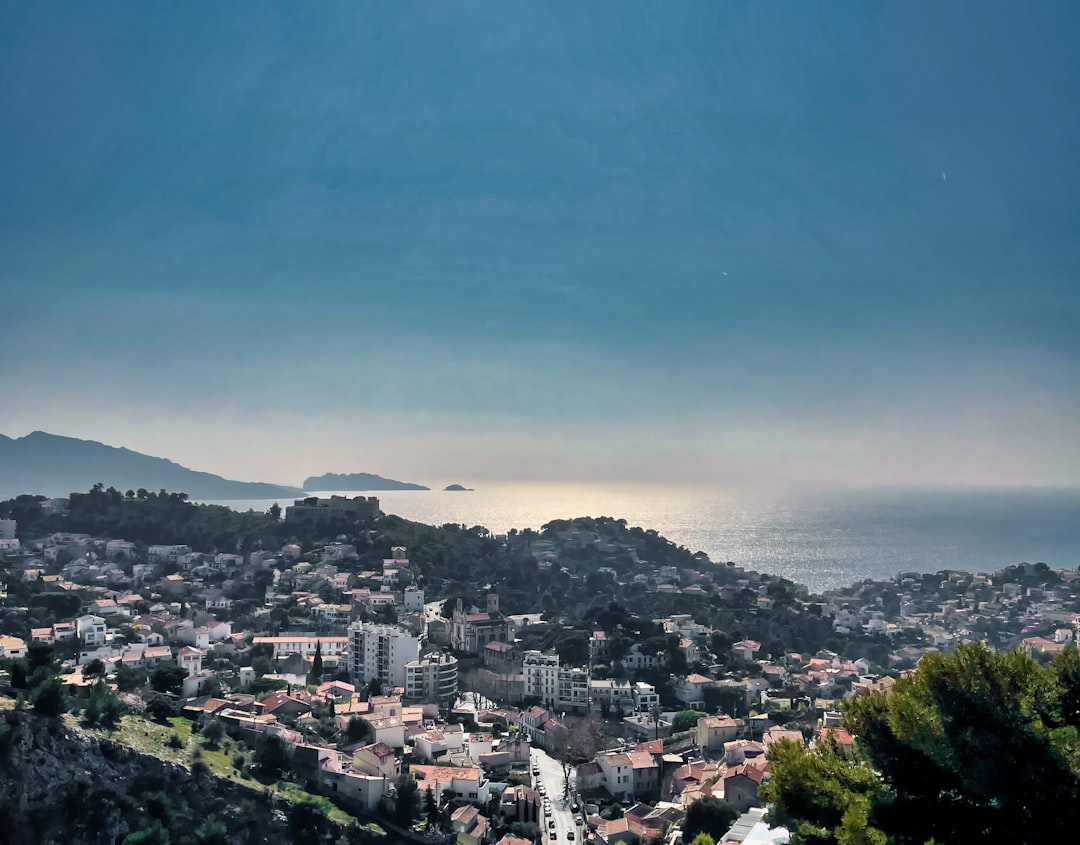
Last reviewed: October 2026 · key facts checked against Wikidata
Haut-Provence Travel Guide: Everything You Need to Know (2026)
Haut-Provence, the high-altitude interior of Provence in southeastern France, sits at elevations ranging from 400 to over 1,900 metres and covers the Alpes-de-Haute-Provence department founded as an administrative unit in 1790. The region is home to the Gorges du Verdon — Europe’s largest canyon at 25 kilometres long and up to 700 metres deep — and produces roughly 70% of France’s lavender essence. With a permanent population of around 165,000, it remains one of the least densely settled regions in metropolitan France.
Top 3 Highlights at a Glance
- Gorges du Verdon — Europe’s deepest canyon at 700 metres offers kayaking, rock climbing, and cliff-top drives on the Route des Crêtes.
- Valensole Lavender Plateau — The world’s most photographed lavender fields peak in July, stretching 800 square kilometres across a single plateau.
- Moustiers-Sainte-Marie — A medieval village clinging to a cliff face with a star suspended 227 metres above on an iron chain since 1248.
Scroll down for our complete travel guide with tips on getting there, where to stay, costs and more.
Getting There
How do I best reach Haut-Provence?
Drive or take the train to Manosque or Digne-les-Bains — these are your two practical gateways. By car from Aix-en-Provence takes roughly 1 hour 15 minutes via the A51 autoroute, and in my experience this is by far the most flexible approach since the villages are scattered across a vast rural landscape. By train, the Chemins de Fer de Provence narrow-gauge line runs from Nice to Digne-les-Bains in about 3 hours 20 minutes and is genuinely scenic — but it won’t get you to the Gorges du Verdon or the lavender plateau without onward transport. The honest caveat: without a car, at least 60% of Haut-Provence’s highlights are effectively unreachable.
Which airport is closest to Haut-Provence?
Marseille Provence Airport (MRS) is your best entry point, sitting approximately 100 km southwest of Manosque. Nice Côte d’Azur (NCE) is a solid second option at around 150 km southeast, especially if you plan to enter via the Train des Pignes to Digne-les-Bains. My tip: MRS has more budget airline connections from northern Europe and is better served by rental car desks. What surprised me is how few travellers use Nice as the entry point despite it giving direct access to the spectacular eastern flank of Haut-Provence via the D955. Avoid Lyon Saint-Exupéry — it’s 300 km away and adds unnecessary driving time.
How long is the journey from Paris or major cities to Haut-Provence?
From Paris, plan 5 hours 30 minutes by TGV to Aix-en-Provence followed by a 1 hour 15 minute drive to Manosque — total roughly 7 hours door to door. Driving from Paris straight to Digne-les-Bains is about 8 hours 30 minutes covering nearly 800 km. From Lyon it’s a manageable 3 hours by car. In my experience, the TGV-plus-rental-car combo is the smartest play: book the TGV at least 3 weeks in advance to catch fares around €35-60 per person rather than last-minute prices that can exceed €120. The caveat most guides skip: Aix TGV station is 15 km from Aix city centre, so factor in extra transfer time.
Are there direct bus connections into Haut-Provence?
Direct regional buses exist but they are infrequent and serve only the main towns. Zou! regional buses (operated by the Provence-Alpes-Côte d’Azur region) connect Manosque, Digne-les-Bains, and Forcalquier — fares are a flat €1 per journey, which is extraordinary value. However, I recommend: buses run 2-4 times daily at most, and Sunday service is nearly non-existent. Flixbus connects Marseille to Manosque in about 1 hour 20 minutes for as little as €5-12. The caveat that matters: no bus reaches the Gorges du Verdon or Valensole plateau directly. If buses are your only option, base yourself in Manosque and accept that iconic sights require taxi booking or organised tours.
Is a rental car necessary in Haut-Provence?
Yes, a rental car is non-negotiable for experiencing Haut-Provence properly. I’ll be direct: without one, you’ll see perhaps 20% of what the region offers. Budget €40-70 per day for a standard car from Marseille or Nice airport — booking through AutoEurope or Rentalcars.com at least 2 weeks ahead typically saves 30%. My tip: choose a car with good ground clearance if you plan the Route Napoléon (N85) or mountain roads above 1,500 metres — some are unpaved near the summit passes. The one honest trade-off: parking in Moustiers-Sainte-Marie in July requires arriving before 9:00am or using the free lower car park and walking 10 minutes uphill.
Accommodation
Which towns make good bases in Haut-Provence?
Moustiers-Sainte-Marie is the most atmospheric base for the Gorges du Verdon — it puts you 15 minutes from the canyon rim. Manosque is the region’s largest town with the best supermarkets, medical facilities, and transport links, ideal for families or longer stays. Forcalquier is my personal favourite: a genuine Provençal market town with a Monday market running since the 12th century, central enough to reach lavender fields in 25 minutes and the Luberon in 40 minutes. The warning most guides omit: Moustiers is severely congested from mid-July to late August — parking becomes a 45-minute ordeal and restaurant queues are brutal. If you visit in peak season, Forcalquier or Banon offer a far saner experience.
Where should I stay in Haut-Provence?
Chambres d’hôtes (B&Bs) are the standout accommodation format here — staying on a working lavender farm near Valensole village gives you sunrise field access before tour buses arrive at 9am. For comfort and a pool, the Bastide de Moustiers (Alain Ducasse’s inn) is exceptional but costs €280-400 per night. Mid-range travellers do well in Manosque with Ibis or Campanile hotels at €80-110 per night. My tip: gîtes (self-catering cottages) rented weekly through Gîtes de France offer the best value — €600-1,000 per week for a 2-bedroom property sleeps 4, cutting nightly costs dramatically. What surprised me: village gîtes often include private garden access to herb gardens and vineyard views unavailable in any hotel.
What does accommodation cost in Haut-Provence?
Expect to pay €75-120 per night for a solid 2-3 star hotel or chambre d’hôtes in peak summer. Budget options in Manosque or Sisteron start around €55 per night. Camping is genuinely excellent here — Camping du Verdon near Castellane charges around €22-35 per night for a pitch and is beautifully situated. The luxury ceiling is €350-500 per night at properties like Bastide de Moustiers or La Bonne Étape in Château-Arnoux. The trade-off: the most scenic villages like Moustiers charge a 20-30% premium purely for location. I recommend booking accommodation in Valensole or Riez instead — equally beautiful, €20-30 cheaper per night, and 10 minutes from the same lavender fields.
How far in advance should I book accommodation in Haut-Provence?
For July and August, book at least 4-5 months in advance — this is not an exaggeration. The lavender season (late June to early August) is the single busiest period, and properties in Moustiers-Sainte-Marie, Valensole, and along the Gorges du Verdon sell out entirely by March. In my experience, the best chambres d’hôtes with field views are gone by February for July dates. For June and September, 6-8 weeks ahead is usually sufficient. Shoulder season (May and October) rarely requires more than 2-3 weeks notice. My tip: contact small gîtes directly rather than booking via platforms — owners often hold back rooms from Booking.com and can offer 10-15% discounts for direct payment.
When is the best time to visit Haut-Provence?
Late June through mid-July is the sweet spot for lavender — fields are in full bloom and days average 28°C with minimal rain. September is my personal favourite month: lavender harvest is done, tourist numbers drop by roughly 40%, temperatures are a perfect 22-25°C, and the light turns golden. The verified best travel months based on climate data are June, July, August, and September. July and August are brilliant weatherwise but brutally crowded at the Gorges du Verdon. The trade-off most guides skip: June lavender is 50/50 — some years fields peak in late June, others not until July 10, so check real-time bloom updates on Provence-lavande.com before booking non-refundable accommodation.
Best Time to Visit
How does the weather affect activities in Haut-Provence?
Weather here is continental-Mediterranean, meaning hotter and drier than coastal Provence but with genuine thunderstorm risk in summer afternoons. Canyon kayaking on the Verdon is closed when the dam at Castillon releases water — always check EDF flow forecasts before booking. Mountain hiking above 1,800 metres near the Montagne de Lure becomes dangerous in sudden afternoon storms from June to August. I recommend: start all hikes by 7:30am to summit before midday. In my experience, the Mistral wind can drop temperatures 8-10°C in an hour, particularly in spring — a fleece is essential even in June. Winter (November to March) sees roads above 1,200 metres regularly closed by snow.
Are there local festivals in Haut-Provence worth attending?
Corso de la Lavande in Digne-les-Bains (first weekend of August) is the region’s signature event — a lavender float parade drawing 100,000 visitors over 4 days, genuinely spectacular but requiring hotel bookings 6 months in advance. The Fête de la Transhumance in Puimoisson (late May) sees 2,000 sheep walked through the village — one of the most authentic rural traditions in southern France. Les Nuits de la Citadelle in Sisteron (July-August) hosts open-air theatre and concerts in a 13th-century fortress for around €15-25 per ticket. My tip: the Forcalquier Monday market isn’t a festival but draws producers from 50 surrounding villages — the best weekly food event in the region and completely free.
When does Haut-Provence get crowded?
Peak crowding hits between July 14 (Bastille Day) and August 15 — the Gorges du Verdon rim roads can queue for 45-60 minutes at Point Sublime, and Moustiers-Sainte-Marie’s single main street becomes genuinely unpleasant. The lavender plateau around Valensole sees coach tours arriving by 8:30am throughout July. What surprised me: even the ‘hidden’ spots I loved 5 years ago — like the Plateau de Valensole village square — now feature Instagram photographers at sunrise. My honest advice: if your dates are fixed in August, be at any sight by 7:00-7:30am or go after 6:00pm when light is better anyway. Late September sees visitor numbers fall sharply and the region feels like yours again.
What does a daily budget cost in Haut-Provence?
A realistic mid-range daily budget is €120-160 per person, including accommodation (split between two), meals, fuel, and one paid activity. Budget travellers camping and self-catering can manage €50-70 per day. The luxury tier — Bastide de Moustiers, Michelin dining, guided Verdon canyon tours — runs €300+ per day. Fuel costs deserve a dedicated mention: driving the full Gorges du Verdon circuit (about 120 km) burns roughly €15-18 in petrol at current French pump prices around €1.75-1.85 per litre. My tip: the Zou! bus network charges a flat €1 per ride for any regional journey — use it between Manosque and Forcalquier to cut costs on days you don’t need the full valley loop.
Is Haut-Provence cheaper or more expensive than other Provence regions?
Haut-Provence is 20-35% cheaper than coastal Provence (Marseille, Cassis, Saint-Tropez) for accommodation and dining. A restaurant main course that costs €28 in Aix-en-Provence typically runs €16-20 in Forcalquier or Banon. However, it’s not cheap by French rural standards — the lavender tourism boom of the past decade has pushed prices upward. The trade-off: you save on accommodation but spend more on fuel since distances between points of interest are large. Groceries at Manosque’s Carrefour are standard French supermarket prices. The honest caveat: the handful of restaurants directly adjacent to Moustiers and the Verdon viewpoints charge Côte d’Azur prices — €20 for a mediocre burger. Walk 5 minutes further and prices halve.
Budget
What free highlights are there in Haut-Provence?
The Gorges du Verdon viewpoints — including Point Sublime and the Balcons de la Mescla — are entirely free and require only parking (typically €3-5 for the day). Walking into Moustiers-Sainte-Marie village and climbing to the Notre-Dame-de-Beauvoir chapel costs nothing and takes 25 minutes from the car park. The Valensole lavender fields are free to walk through (stay on field edges — farmers are increasingly strict about crop damage). My personal favourite free experience: the Observatoire de Haute-Provence near Saint-Michel-l’Observatoire has free outdoor access to its grounds; the telescope tours cost €8 but the surrounding village at night, with zero light pollution, is free and extraordinary. The Monday market in Forcalquier is free entry with the best regional produce sampling.
What do local specialities cost in Haut-Provence?
Lavender honey from Valensole producers at farm gates runs €8-12 for 250g — about half the price of the same product in Aix or Marseille tourist shops. Banon cheese (the only AOC cheese from the region, wrapped in chestnut leaves) costs €4-6 per round at the Banon market. A sit-down lunch menu (entrée, plat, dessert) at a village restaurant in Forcalquier or Riez costs €15-22. Truffle products from the Valensole plateau are expensive everywhere — a small jar of truffle salt runs €12-18. My tip: buy lavender products directly from the Château du Bois distillery near Lagarde-d’Apt — prices are transparent and quality is certified Label Rouge, saving you 40% versus boutique shops in the villages.
Which route do you recommend for 5-7 days in Haut-Provence?
Day 1: Arrive Manosque, settle in, evening walk and dinner. Day 2: Valensole plateau at dawn (6:30am) for lavender, then Moustiers-Sainte-Marie for lunch and the faïence museum. Day 3: Full Gorges du Verdon loop — Corniche Sublime route (90 km, 4 hours driving with stops) — kayak rental from Castellane at €25 for 2 hours. Day 4: Forcalquier market (Monday only) or Sisteron citadelle + Lure mountain drive. Day 5: Digne-les-Bains for the geological reserve, then Train des Pignes to Nice if exiting east. For 7 days: add Day 6 in Banon and Simiane-la-Rotonde for the quietest, most authentic Haute-Provence villages, and Day 7 for the Montagne de Lure hiking circuit (12 km loop, 4 hours).
What are the must-see sights in Haut-Provence?
The Gorges du Verdon is the undisputed headline — Europe’s largest canyon and genuinely jaw-dropping from the rim at Point Sublime. Moustiers-Sainte-Marie with its cliff-hanging chapel and the suspended star is unique in France. The Valensole lavender plateau in July is a sensory experience unlike anywhere else in Europe. Sisteron’s Citadelle (€7 entry) sits on a rock above the Durance river and guarded the route between Provence and Dauphiné since the 12th century — historically fascinating and requiring only 90 minutes. What surprised me: the Réserve Naturelle Géologique de Haute-Provence in Digne-les-Bains contains one of the world’s largest ammonite slabs at 280 kg and is completely overlooked by most visitors despite being extraordinary.
What natural highlights does Haut-Provence offer?
The Gorges du Verdon is the big one — 25 km long, up to 700 metres deep, with turquoise water that looks Caribbean in July sun. The Montagne de Lure reaches 1,826 metres and offers panoramic views from the Rhône valley to the Alps on clear days. Lac de Sainte-Croix at the western mouth of the Verdon is one of France’s largest artificial lakes (2,200 hectares) with excellent swimming and paddle-boarding. The Réserve Géologique outside Digne contains fossils dating 300 million years visible in roadside cliffs along a free driving route. In my experience, the Plateau de Valensole at golden hour — when the light turns the lavender silver-purple — beats any sunset viewpoint in coastal Provence for sheer beauty.
Routes & Highlights
What local specialities should I try in Haut-Provence?
Banon cheese is mandatory — a raw goat’s cheese aged in chestnut leaves with a runny, nutty interior unlike any other French cheese. Lavender-infused honey from Valensole is world-class and bears little resemblance to the synthetic lavender products sold on the coast. Agneau de Sisteron (Sisteron lamb, PDO-protected) is served in almost every serious restaurant and tastes distinctly of the wild herbs the sheep graze on. Try tian de légumes (layered vegetable gratin) — every village restaurant has its own version. My personal obsession: soupe au pistou in September when the basil, beans, and zucchini are all local and harvested that week. Avoid any restaurant advertising ‘lavender ice cream’ prominently — it’s a tourist gimmick, not a genuine regional tradition.
What activities are available in Haut-Provence?
Canyon kayaking and canoeing on the Verdon from Castellane costs €25-45 per person for a half-day guided descent. Rock climbing in the Gorges du Verdon — specifically the Escalès cliff face — is among the top 10 limestone climbing destinations in Europe with over 1,500 routes. Via ferrata at Sisteron is accessible to beginners and costs nothing beyond equipment rental (€15 from local guides). Lavender farm tours with distillery visits at Château du Bois run €8-12. Mountain biking on the Valensole plateau is excellent from May to October — bike rental in Manosque runs €25-35 per day. In my experience, the Verdon white-water rafting from Castellane (May-June when snowmelt peaks) is one of the most thrilling half-days in all of southern France.
What distinguishes Haut-Provence from other French regions?
Three things make it genuinely singular: the vertical scale (from 400m valley floors to 1,900m peaks within 30 km), the lavender monoculture producing 70% of France’s lavender essence, and the extraordinary emptiness — with 23 inhabitants per square kilometre, it’s one of the least populated areas in western Europe. Unlike the Luberon (increasingly colonised by Parisian second-home owners) or coastal Provence (overwhelmed by summer tourism), Haut-Provence still has villages where the Monday market is genuinely for locals. What surprised me: the quality of stargazing is certified — the area around Saint-Michel-l’Observatoire is officially France’s darkest sky zone, with the Observatoire de Haute-Provence operating since 1937 and discovering the first exoplanet orbiting a sun-like star in 1995.
Which day trips are possible from Haut-Provence?
Aix-en-Provence is 1 hour 15 minutes from Manosque and pairs beautifully with a morning departure after early lavender photography. Luberon villages (Gordes, Roussillon, Bonnieux) are 45-60 minutes west — combine with a Haut-Provence base to avoid the inflated Luberon accommodation prices. Verdon Gorges from Moustiers is technically an internal day trip but deserves its own day. Entrevaux — a fortified medieval village on the Var river 1 hour east via the D955 — is extraordinary and almost unknown outside France. My tip: Briançon (1 hour 45 minutes north) is the highest city in France at 1,326 metres and a UNESCO World Heritage site — a superb full-day excursion for those based in Digne or the northern part of Haut-Provence.
Are there language barriers in Haut-Provence?
English is spoken at a basic level in tourist-facing businesses — hotels, major restaurants, kayak rental companies near the Verdon. However, in smaller villages like Banon, Simiane-la-Rotonde, or Puimoisson, expect French only. In my experience, knowing 10-15 French phrases transforms interactions completely — locals respond warmly to any effort. The Gîtes de France booking system and many chambre d’hôtes owners communicate exclusively in French via email. My practical tip: download DeepL (far more accurate than Google Translate for French) and use it offline. At Forcalquier market, stallholders speak rapid Provençal-accented French — speak slowly and they’ll match your pace. The honest truth: language barriers are manageable but real, and relying entirely on English will limit your access to the region’s best experiences.
Practical Tips
Which apps do you recommend for visiting Haut-Provence?
Komoot is essential for hiking and cycling — it has detailed offline maps of every trail in the Verdon natural park and Montagne de Lure, and costs a one-time €4.99 region purchase. Maps.me with downloaded offline maps saves you when mobile signal fails in the gorges (and it will). Vigicrues is the French flood and river flow alert app — critical for Verdon kayaking safety. Météo-France (official French weather service) is more accurate than any international weather app for the micro-climates here. Too Good To Go works in Manosque and Digne and lets you buy surplus restaurant food for €3-6 — I’ve had extraordinary meals this way. For lavender bloom tracking, Provence-lavande.com has a real-time map updated by farmers — not an app but bookmark it as a mobile site.
Are there medical facilities in Haut-Provence?
Manosque has the region’s main hospital — Centre Hospitalier de la Durance — handling emergencies 24 hours. Digne-les-Bains has a second hospital with an accident and emergency department. Beyond these two towns, medical facilities thin out sharply. The villages around Moustiers and the Verdon have pharmacies but no doctors on call on Sundays — this is a genuine concern in an activity-heavy region. My strong recommendation: carry a comprehensive first-aid kit on any canyon activity, and purchase travel insurance with helicopter evacuation cover before departure — Verdon canyon rescues cost upward of €1,500 without coverage. European Health Insurance Cards (EHIC/GHIC) are valid for EU and UK visitors. The nearest trauma centre for serious climbing or canyon injuries is in Digne (45 minutes) or Marseille (1 hour 30 minutes).
How safe is Haut-Provence?
Haut-Provence is extremely safe by any European standard — petty crime is minimal and violent crime essentially absent in this rural setting. The real risks are natural and activity-related: flash floods in the Gorges du Verdon kill approximately 2-4 people annually, typically hikers caught in the canyon base without checking dam release schedules. Mountain driving on narrow D-roads above 1,200 metres requires concentration — roads like the D952 above the Verdon have sheer drops with minimal barriers. Car break-ins at canyon car parks (particularly Chalet de la Maline) are a known issue — leave nothing visible in your vehicle. In my experience, the main safety failure tourists make is underestimating afternoon thunderstorm speed at altitude — they develop in under 20 minutes and strand hikers above the treeline.
What are common traveller mistakes in Haut-Provence?
The biggest mistake: arriving in peak lavender season without pre-booked accommodation — I’ve met visitors sleeping in cars outside Valensole in July. Second: attempting the Gorges du Verdon base trail (Sentier Martel, 15 km) without the full day it requires and without headlamps for the tunnels — it’s not a 2-hour stroll. Third: buying lavender products in Moustiers village boutiques instead of directly from distilleries — you pay 50-80% more for identical products. Fourth: skipping Sisteron because it’s ‘just a road town’ — the Citadelle is one of the most dramatic fortresses in southern France. My personal warning: do not trust restaurant recommendations from hotel receptions near the Verdon — they consistently send guests to overpriced tourist traps. Ask at the local pharmacy or boulangerie instead.
Which accommodation types suit Haut-Provence best?
Chambres d’hôtes on working lavender farms are the definitive Haut-Provence experience — waking at dawn inside the fields with breakfast included typically costs €90-130 per night for two. Gîtes ruraux (self-catering cottages) booked weekly through Gîtes de France are the best value for groups or families — €700-1,100 per week for a 3-bedroom property with garden. Camping is superb: the region has excellent sites near the Verdon (Camping International du Lac near Sainte-Croix charges €28-38 per night) with lake access and mountain views. Standard hotels are concentrated in Manosque and Digne and lack character. My recommendation: avoid the generic Logis de France hotels in town centres unless you need reliable WiFi and parking — the same budget buys a far more memorable chambre d’hôtes experience in the surrounding villages.
More Destinations in Europe
Explore our complete travel guides for more Europe destinations: Amsterdam Travel Guide (2026), Provence Travel Guide (2026), Bretagne Travel Guide (2026), Chartres Travel Guide (2026), Île Cézembre Travel Guide (2026).
Haut-Provence at a Glance
| Currency | EUR (€) |
|---|---|
| Official language | French |
| Time zone | UTC+01:00 |
Source: Wikidata, retrieved August 2026.
Useful Resources for Planning Your Trip to Haut-Provence
- Wikipedia: Haut-Provence — history, geography and background
- Lonely Planet: Haut-Provence — itineraries and travel inspiration
- TripAdvisor: Haut-Provence — hotels, restaurants and traveller reviews
🎥 Haut Travel Videos

Walker’s Haute Route Hiking Guide | How to Plan, Maps …
Laura Eronen | Take a Hike

Exploring Terre de Haut – Les Saintes – Guadeloupe/Travel …
Team Sauce Travels

BEST Resort Views in Saint Lucia? La Haut Resort Complete …
The Traveling Chzhed
You are currently viewing a placeholder content from Vimeo. To access the actual content, click the button below. Please note that doing so will share data with third-party providers.
More InformationYou are currently viewing a placeholder content from YouTube. To access the actual content, click the button below. Please note that doing so will share data with third-party providers.
More InformationYou need to load content from reCAPTCHA to submit the form. Please note that doing so will share data with third-party providers.
More InformationYou are currently viewing a placeholder content from GetYourGuide. To access the actual content, click the button below. Please note that doing so will share data with third-party providers.
More Information