
Tarragona: The Complete Travel Guide (2026)
Tarragona Travel Guide: Everything You Need to Know (2026)
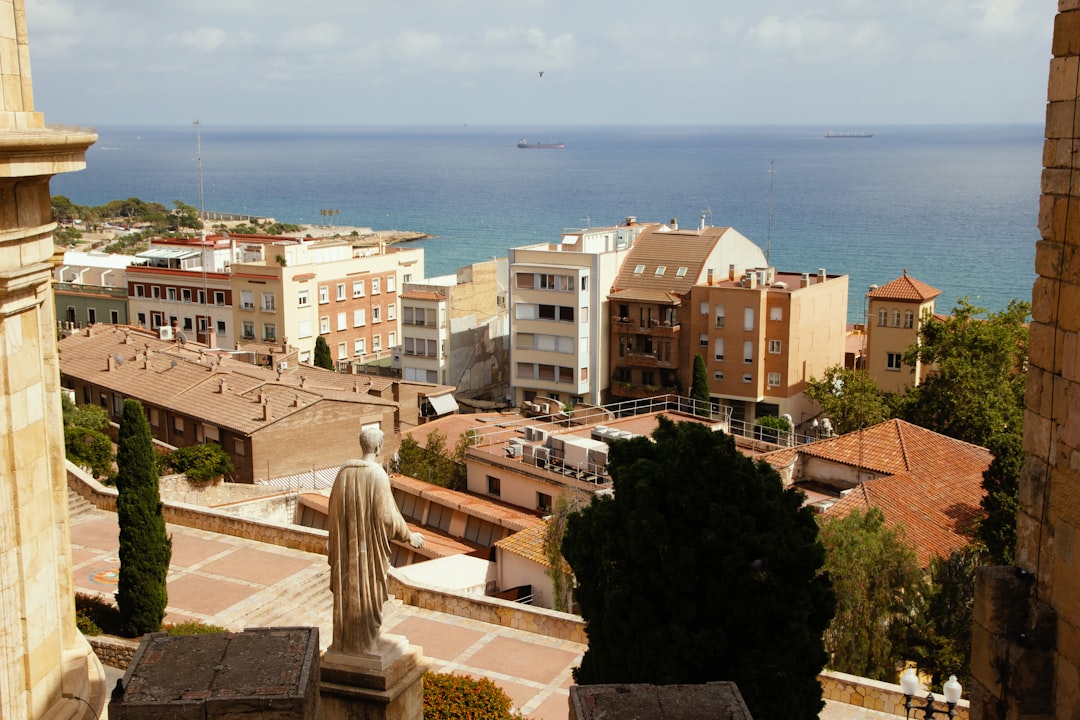
Tarragona, a Catalan city of 133,545 residents perched 68 metres above the Mediterranean, was founded as Tarraco by the Romans in 218 BC and served as the capital of Hispania Citerior — making it one of the most historically significant cities on the Iberian Peninsula. Its UNESCO-listed Roman ruins sit alongside a working fishing port and golden beaches of the Costa Daurada, a combination you won’t find anywhere else in Spain. The old city is compact enough to cover on foot yet layered enough to absorb travellers for three full days.
Top 3 Highlights at a Glance
- Roman Amphitheatre — A 2nd-century arena built directly into the cliffs above the Mediterranean — seating 14,000 spectators at its peak.
- Tarragona Cathedral & Cloister — A 12th-century Romanesque-Gothic hybrid with one of Catalonia’s finest cloisters, built on top of a Roman temple.
- Passeig Arqueològic Murallas — A walkable circuit along 3rd-century BC Cyclopean walls offering panoramic views over the city and coastline.
Scroll down for our complete travel guide with tips on getting there, where to stay, costs and more.
Arrival & Airport
How do I get to Tarragona?
Take the AVE high-speed train from Barcelona Sants — it drops you in Tarragona in 35 minutes for around €10–14 one-way. In my experience, this is the smartest entry: no parking stress, no motorway tolls, and the station is a short taxi ride from the old city. From Madrid, the AVE takes roughly 2.5 hours. Flying directly into Reus Airport (REU), just 14 km from Tarragona, is a solid option if you’re coming from northern Europe with Ryanair — but bus connections into the city are infrequent, so budget an extra €25 for a taxi. The caveat: Barcelona El Prat (BCN) has far more international routes and the train connection makes it just as practical.
Which airport is closest to Tarragona?
Reus Airport (REU) is the closest at 14 km away, mainly served by Ryanair from the UK, Germany, and the Netherlands. In my experience, the airport feels tiny — one terminal, minimal facilities — which makes arrivals fast but departure queues surprisingly slow in summer. A taxi to Tarragona city centre costs around €25–30 and takes 20 minutes. The alternative, Barcelona El Prat (BCN), is 100 km north but offers dramatically more routes and the high-speed train makes the transfer painless. My tip: if you’re combining Tarragona with Barcelona, fly into BCN without hesitation. Only choose REU if the fare saving exceeds €80.
How long does the journey to Tarragona take from major hubs?
From Barcelona Sants, the AVE takes 35 minutes; regional trains take 1 hour 20 minutes but cost around €4–7. From Madrid, the high-speed connection is 2.5 hours. From Valencia, the journey by train runs approximately 2 hours. What surprised me is that driving from Barcelona looks fast on a map — it’s 100 km — but summer traffic on the AP-7 motorway near Tarragona adds 30–45 minutes unpredictably. From Reus Airport, a taxi is 20 minutes in normal traffic. Buses from Barcelona’s Estació del Nord take around 1.5 hours and cost €10–12, making them a reasonable budget option if you’re not in a hurry.
Do I need a car in Tarragona?
No — for the city itself, a car is a liability, not an asset. The Roman monuments, cathedral quarter, beach, and restaurants are all within 30 minutes on foot of each other. Parking in the old city is scarce and costs €2–3 per hour in surface lots. That said, the wider province hides gems — Poblet Monastery (50 km inland), Priorat wine country (65 km), and smaller Costa Daurada coves — that are genuinely awkward without a rental. My recommendation: arrive by train, rent a car for one or two days of countryside exploration at roughly €35–55/day, then return it. The honest trade-off is that local buses to Poblet exist but run infrequently on weekends.
City Transport
What are the best areas to stay in Tarragona?
Stay in the Part Alta (the walled upper city) or immediately below it near Rambla Nova — these put Roman ruins, restaurants, and the market within a 10-minute walk. The Part Alta has the atmosphere but is on a hill, which matters if you have heavy luggage or mobility issues. Rambla Nova is the flat, commercial spine of the city with mid-range hotels and good transport links. The Serrallo fishing district, 1.5 km from centre, is charming and has excellent seafood restaurants but feels slightly disconnected from sightseeing. I’d avoid booking near the train station unless you’re purely using Tarragona as a base — the area lacks character and the walk uphill to the monuments is steep.
What does accommodation cost in Tarragona?
A clean, well-located 3-star hotel in or near the Part Alta costs €80–120 per night in shoulder season, rising to €130–180 in July and August. Budget guesthouses and hostels around Rambla Nova start at €25–40 per person in a dorm or €60–75 for a private room. Apartment rentals via Airbnb in the old quarter run €70–110/night for a one-bedroom unit — good value for couples who want kitchen access. What most guides omit: Tarragona’s supply of quality boutique hotels is thin, and the best-value mid-range options book out fast for summer weekends because of local Spanish tourism. A 4-star with a sea view starts around €150–200 in peak season.
How far in advance should I book accommodation in Tarragona during high season?
Book 3–4 months ahead for July and August — this is non-negotiable. Tarragona’s accommodation stock is modest for a city its size, and Spanish domestic tourists fill it fast, particularly for the Sant Magí festival (August) and Santa Tecla festival (late September), when rooms disappear entirely. In my experience, waiting until 6 weeks out in summer means choosing between overpriced options or staying 15 km away in Salou or Cambrils. For May, June, and October, 4–6 weeks is generally sufficient. The honest warning: cancellation policies on smaller guesthouses in Tarragona are often strict — non-refundable rates dominate in peak months, so be certain of your dates.
Are there special or unique accommodation types in Tarragona?
Tarragona has a small but genuinely interesting set of distinctive stays. Casa de la Vila Nova, a restored 16th-century townhouse in the Part Alta, offers rooms inside a building older than most countries. Several masies (Catalan farmhouses) operate as rural B&Bs within 20 km of the city — particularly around Altafulla and Tamarit — giving you olive groves and silence with a 15-minute drive to the Roman ruins. For families, a villa rental near Tamarit Beach with direct Mediterranean access runs €150–250/night and is far better value than a hotel. What surprised me: there is no true luxury 5-star hotel in the city itself — if that level matters, you’ll need to look at Barcelona or a countryside hotel in the Priorat.
Accommodation & Neighbourhoods
What are the must-sees in Tarragona?
The Roman Amphitheatre is the centrepiece — a 2nd-century arena where gladiators fought, set dramatically against the sea. The Tarragona Cathedral (begun 1171) is genuinely awe-inspiring, with a cloister that rivals anything in Catalonia. Walk the Passeig Arqueològic walls — 3rd-century BC Cyclopean stone — for the best city panorama. The Pretori i Circ Romà (Roman Circus) ran 325 metres under the old city and you can walk sections of it today. The National Archaeological Museum of Tarragona (MNAT) holds one of Spain’s finest Roman mosaic collections. My tip: buy the combined Tarragona Arqueològica ticket for around €12 — it covers all major Roman sites and saves roughly €8 versus individual entry.
What can I experience for free in Tarragona?
Quite a few highlights cost nothing. The Balcó del Mediterrani viewpoint at the end of Rambla Nova delivers a postcard view of the amphitheatre and sea without any entry fee. Walking the Rambla Nova itself — Tarragona’s elegant tree-lined boulevard — and watching the evening passeig (promenade) is quintessentially Catalan and free. The exterior of the Roman Circus walls can be examined from street level at no cost. Platja del Miracle, the city beach directly below the amphitheatre, is free and easily reached on foot. The Serrallo fishing quarter is free to wander and fascinating at dawn when the catch comes in. Every Sunday morning, the Mercat Central area has free street activity worth seeing.
Which day trips from Tarragona are worth doing?
Poblet Monastery is the single best day trip — a 12th-century Cistercian complex and UNESCO site 50 km inland that most Costa Daurada tourists miss entirely. The Priorat wine region (65 km) produces some of Spain’s most intense reds; a vineyard visit with tasting costs around €15–25. Sitges (70 km north) is a beautiful coastal town with a renowned art museum and better-preserved old quarter than many expect. Montblanc, a walled medieval town 40 km away, takes only 2 hours to explore but is exceptionally photogenic. The honest caveat: Poblet and Priorat require a car or a guided tour (from €40/person) — bus connections are unreliable on weekends.
What local specialities should I eat in Tarragona?
Romesco sauce was invented here — this complex, roasted pepper, almond, and bread sauce appears on grilled vegetables, fish, and calçots (spring onions). In the Serrallo district, order fideuà de marisc (seafood noodle paella) or suquet de peix (Catalan fish stew) at restaurants like La Peixeria for €14–18 per main. Caragols a la llauna (snails roasted in a tin with garlic) is a hyperlocal tapa that costs €5–8. The Camp de Tarragona wines — particularly whites from Conca de Barberà — pair brilliantly with seafood and a half-bottle costs €8–12 in a local restaurant. My warning: the seafood restaurants on the tourist-facing Rambla Nova charge 30–40% more for identical dishes than those two streets inland.
Highlights & Must-Sees
What makes Tarragona unique compared to other Spanish cities?
Tarragona is the only city in Spain — and one of very few in Europe — where you can stand in a 2,200-year-old Roman amphitheatre overlooking the Mediterranean while eating lunch brought from a fishing port that has operated continuously since antiquity. The UNESCO-listed Archaeological Ensemble of Tarraco is not a reconstruction or a ruin-field — it’s layered directly into the living city: Roman walls become garden boundaries, the circus runs beneath apartment blocks, and the forum is a public square. Unlike Mérida (Spain’s other major Roman site), Tarragona combines this heritage with a functioning beach resort, a Catalan cultural identity, and proximity to world-class wine country — all within a city of only 133,545 people.
How many days should I spend in Tarragona?
2 full days cover the essential Roman heritage, the cathedral, the beach, and a seafood dinner in Serrallo. A 3rd day is worthwhile if you add a day trip to Poblet Monastery or the Priorat wine region. Stretching to 4 days makes sense only if you’re using Tarragona as a base for the wider Camp de Tarragona region — visiting Cambrils, L’Ametlla de Mar, and coastal coves. The honest caveat: Tarragona’s nightlife is modest and its shopping district is unremarkable. If you’re expecting the energy of Barcelona, you’ll feel the city has given you everything it has after day two. That’s not a flaw — it’s a focused destination, not a sprawling one.
When is the best time to visit Tarragona?
May, June, September, and October are the sweet spot — Mediterranean temperatures of 22–27°C, no summer crowds, and full beach and monument access. July and August are scorching (regularly 31–35°C) and the city fills with domestic Spanish tourists, particularly in August for the Santa Tecla festival. In my experience, late September is the single finest week: the Santa Tecla festival runs (a genuinely spectacular local event, not a tourist performance), the sea is still warm at 24°C, and accommodation prices drop 20–25% from peak. November through March is mild at 12–16°C but quieter — good for solo culture-focused visits, though some beach-facing restaurants close or reduce hours.
Are there local festivals in Tarragona worth attending?
Santa Tecla (September 15–24) is unmissable — Tarragona’s patron festival features castellers (human tower competitions), giants, fire-runners (gegants and grallers), and medieval processions through the Roman streets. It has been celebrated for over 700 years and is entirely authentic — not staged for tourists. Sant Magí (August 19) is the summer festival with a famous procession and fireworks over the amphitheatre. The Tarraco Viva festival in May reconstructs Roman life inside the ancient monuments — gladiator shows, Roman cooking demonstrations, and Latin theatre — and is genuinely educational rather than gimmicky. Entry to most street events is free; Tarraco Viva indoor shows cost around €6–10. Book accommodation 4 months ahead for Santa Tecla week.
Food & Drink
How does the weather in Tarragona affect which activities I can do?
Summer heat above 33°C in July and August makes midday monument-visiting genuinely uncomfortable — the Roman Amphitheatre has zero shade. My tip: visit archaeological sites before 10:00 or after 17:00 in July–August and use midday for the museum interiors or a beach swim. Spring and autumn are ideal for walking the Passeig Arqueològic walls and day trips inland to the Priorat without heat fatigue. Winter (December–February) is perfectly fine for culture — all monuments stay open — but the beach is deserted and Serrallo restaurants reduce hours. Rain is rare May through September; when it does rain in autumn it can be intense and short-lived. The Tramontane wind occasionally makes outdoor dining cold in February–March even when the sun shines.
How crowded does Tarragona get in peak season?
July and August bring noticeable crowds to the Roman Amphitheatre and Cathedral, with queue times of 20–35 minutes without pre-booked tickets. The beaches — particularly Platja del Miracle — fill completely by 11:00 on sunny August days, though the less-known Platja Arrabassada (1.5 km north) is usually 40% less crowded. The city overall is far calmer than Barcelona or Seville in peak season — the streets never feel genuinely oppressive. The honest warning: the AP-7 motorway approaching Tarragona on Friday evenings in August can mean 45–60 minutes of standstill traffic, making train arrival strongly preferable. Book the combined Roman site ticket online at least 2 days ahead in August to skip the queue entirely.
How safe is Tarragona?
Tarragona is very safe by European standards. Violent crime is rare and the Part Alta and Rambla Nova are comfortable at any hour. Petty theft — primarily bag-snatching and pickpocketing — is the only real concern, concentrated around busy beach areas in August and the train station. In my experience, the risk is a fraction of what you’d encounter in Barcelona’s Las Ramblas. The Serrallo district at night can feel isolated since few tourists go there after dark, but it’s not dangerous — just empty. Standard precautions apply: use a crossbody bag, don’t leave valuables on the beach, and keep your phone in your front pocket on crowded promenades. The local Mossos d’Esquadra presence is visible in summer.
Is English widely spoken in Tarragona?
English is functional but not universal in Tarragona. At hotels, major tourist sites, and restaurants near Rambla Nova, staff manage English comfortably. In the Serrallo fishing district restaurants — the best ones — you’ll often need basic Spanish or Catalan to communicate clearly. Market vendors, local bakeries, and smaller bars de tapes frequently speak only Catalan and Spanish. In my experience, learning five phrases in Catalan (locals appreciate it disproportionately — far more than Spanish-only attempts) opens doors noticeably. The MNAT museum has excellent English-language exhibits and audio guides. My tip: Google Translate’s camera function handles Catalan menus well. Don’t assume staff under 35 in hotels will speak fluent English — it varies significantly by individual.
Practical Tips
What is the daily budget for visiting Tarragona?
A budget traveller spending carefully can manage €55–70/day: hostel dorm at €30, a menú del día (3-course lunch with wine) at €12–14, self-catered breakfast, one paid monument entry at €5–7, and beach time. A mid-range couple should budget €130–160/day combined: a 3-star hotel at €90–110/night, restaurant lunch at €14 each, dinner in Serrallo at €25–35 per person, and the combined archaeological ticket at €12. A comfortable traveller spending without restraint — nicer hotel, wine with meals, day trip rental car — reaches €200–250/day easily. The honest caveat: Tarragona offers better value than Barcelona by roughly 25–30% across accommodation and dining categories.
How does public transport work in and around Tarragona?
Within the city, Tarragona’s EMT bus network covers all main districts for €1.50 per trip or €8.50 for a 10-journey T-Casual card. The old city is walkable enough that most visitors rarely need a bus. For regional connections, Rodalies de Catalunya trains (the R14 and R15 lines) connect Tarragona to Cambrils (12 min, €3.20), Salou (10 min, €2.50), and Reus (20 min, €3.70) efficiently. The AVE/regional trains from Tarragona station serve Barcelona and Valencia. The honest warning: the train station sits at the bottom of a steep hill below the old city — the uphill walk takes 15 minutes or costs €6 by taxi. There is no tram or metro. Taxis via the MyTaxi (FREE NOW) app are reliable and available within 5 minutes in the centre.
Which apps do you recommend for visiting Tarragona?
FREE NOW for taxis — more reliable than street hailing and shows fixed prices upfront. Rodalies de Catalunya app (official) for regional train times and real-time delays on lines to Salou, Cambrils, and Reus. Tarragona Arqueológica (the official heritage app) provides AR overlays at Roman sites — genuinely useful at the Forum and Circus where above-ground remains are partial. Google Maps works well for walking navigation in the Part Alta. Airhopping or Omio for comparing Reus Airport flight prices against the train cost from Barcelona. The Catalan Tourist Board app (Turisme de Catalunya) carries downloadable offline maps for the Priorat wine routes if you’re driving. My tip: download offline maps for the region before arriving — mobile signal in the Priorat gorges drops entirely.
More Destinations in Europe
Explore our complete travel guides for more Europe destinations: Tours Travel Guide (2026), Île de Tombelaine Travel Guide (2026), Jura Travel Guide (2026), Cannes Travel Guide (2026), Amsterdam Travel Guide (2026).
Useful Resources for Planning Your Trip to Tarragona
- Wikipedia: Tarragona — history, geography and background
- Lonely Planet: Tarragona — itineraries and travel inspiration
- TripAdvisor: Tarragona — hotels, restaurants and traveller reviews
🎥 Tarragona Travel Videos
What to do in TARRAGONA Spain I Top DAY TRIPS from …
People Places Palates
➡️ what to do in TARRAGONA #055
ROAD TRIP Spain and Portugal
Top 10 Best Things to Do in Tarragona, Spain [Tarragona …
Vacation Idea
You are currently viewing a placeholder content from Vimeo. To access the actual content, click the button below. Please note that doing so will share data with third-party providers.
More InformationYou are currently viewing a placeholder content from YouTube. To access the actual content, click the button below. Please note that doing so will share data with third-party providers.
More InformationYou need to load content from reCAPTCHA to submit the form. Please note that doing so will share data with third-party providers.
More InformationYou are currently viewing a placeholder content from GetYourGuide. To access the actual content, click the button below. Please note that doing so will share data with third-party providers.
More Information