
Cáceres: The Complete Travel Guide (2026)
Cáceres Travel Guide: Everything You Need to Know (2026)
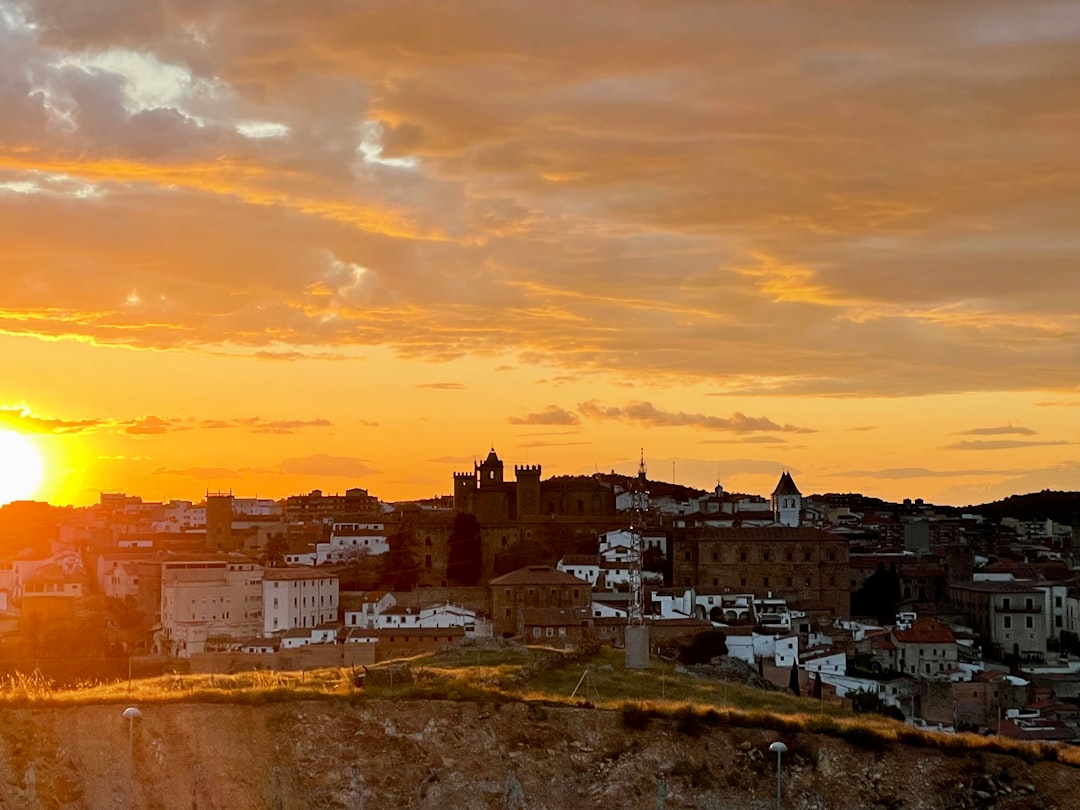
Cáceres, Spain is a UNESCO World Heritage City founded by the Romans in 25 BC, with its medieval old town — one of the best-preserved in Europe — sprawling across a hilltop in Extremadura. The city of roughly 95,000 inhabitants sits 439 metres above sea level, about 300 km southwest of Madrid. Game of Thrones fans will recognise its cobblestone plazas immediately — the Plaza Mayor and surrounding towers served as filming locations for the show.
Top 3 Highlights at a Glance
- Ciudad Monumental (Old Town) — A UNESCO World Heritage walled city with 30 medieval towers — one of Europe’s most intact medieval urban centres.
- Plaza Mayor at Night — Floodlit Gothic and Renaissance facades create a theatrical atmosphere unique among Spanish cities after 9pm.
- Museo de Cáceres (Casa de las Veletas) — Houses a stunning 12th-century Moorish cistern (aljibe) beneath the museum — entry costs just €1.20 for EU residents.
Scroll down for our complete travel guide with tips on getting there, where to stay, costs and more.
Arrival & Airport
How do I get to Cáceres?
The fastest route to Cáceres is by high-speed train from Madrid in under 2 hours. Renfe’s Avant service from Madrid Chamartín runs multiple daily departures, with fares from €15 booked in advance. In my experience, the train drops you right at Cáceres station, a 15-minute walk or short taxi ride from the old town. Buses from Madrid (via Avanza company) take around 3.5 hours and cost from €12 — cheaper but significantly slower. Driving from Madrid via the A-5 motorway takes about 3 hours. The caveat most guides skip: there are no direct international flights, so flying visitors must connect through Madrid or Lisbon.
Which airport is closest to Cáceres?
There is no commercial airport in Cáceres itself — the closest functioning option is Madrid Barajas (MAD), approximately 300 km away. In my experience, most travellers fly into Madrid and take the train directly to Cáceres. Badajoz Airport (BJZ) is only 90 km away but has extremely limited routes — mainly budget connections to Barcelona and the Canary Islands. My tip: check Vueling for Badajoz flights, but honestly, Madrid is the more reliable gateway. Lisbon Airport (LIS) in Portugal is also around 300 km and worth considering if you’re touring Extremadura and Portugal together. Budget a €30–45 taxi from Badajoz if you land there.
How long does the journey to Cáceres take from Madrid?
By high-speed Renfe Avant train from Madrid Chamartín, the journey to Cáceres takes 1 hour 50 minutes — genuinely one of Spain’s most underrated rail connections. Driving via the A-5 takes roughly 3 hours depending on traffic. The bus from Madrid Estación Sur runs about 3 hours 30 minutes. What surprised me: the train station in Cáceres is modern and efficient, but it sits about 2.5 km from Plaza Mayor — a taxi costs around €6, or you can walk it in 30 minutes. The honest caveat: train frequency drops sharply on weekends, so always check the Renfe timetable before planning arrival day.
Do I need a car to explore Cáceres?
No — you absolutely do not need a car for Cáceres city itself. The Ciudad Monumental is entirely pedestrianised and the entire old town covers barely 1 km², easily explored on foot. My tip: park concerns are real — street parking near the old town is scarce, and the Parking Adarve underground garage charges around €1.20 per hour. However, if you want to visit Monfragüe National Park (50 km north) or the Roman ruins at Trujillo (45 km east), a rental car becomes essential. I recommend picking up a rental only for day-trip days — Europcar operates from the train station area. Daily rates start around €30–40.
City Transport
What are the best areas to stay in Cáceres?
Stay within or immediately below the Ciudad Monumental (old town) for the best experience — waking up inside the UNESCO walls is genuinely special. The Plaza Mayor perimeter offers atmospheric options with easy access to restaurants and bars. The Barrio de San Antón just below the walls is slightly cheaper and still walkable. My tip: avoid booking in the modern new town (around Avenida de España) — it’s functional but strips all atmosphere from your stay. What most guides omit: some old-town streets have noise issues on Thursday and Friday nights when local university students gather, so request a room facing an interior courtyard if you’re a light sleeper.
What does accommodation cost in Cáceres per night?
A solid mid-range hotel in Cáceres costs €70–110 per night for a double room. The iconic Parador de Cáceres — a 14th-century palace hotel inside the walls — charges €120–180 depending on season, and it’s worth every euro for a splurge night. Budget hostels and guesthouses in the San Antón area run €25–45 per person. What surprised me: Cáceres is dramatically cheaper than comparable UNESCO cities like Toledo or Salamanca — you’ll pay roughly 30% less for equivalent quality. Breakfast is rarely included in Spanish hotels here, so budget an extra €4–8 at a nearby café. I recommend NH Collection Cáceres Palacio de Oquendo as a reliable mid-range choice at around €85/night.
How far in advance should I book in Cáceres during high season?
Book at least 6–8 weeks ahead for July and August, and for the WOMAD music festival weekend in May — that event fills every bed within 50 km. In my experience, Cáceres is not yet overrun like Granada or Seville, so shoulder months (April, June, September, October) often allow 2–3 weeks advance booking comfortably. The honest caveat most guides skip: the Parador books out 3–4 months ahead for summer regardless — if that’s your target, book the day your plans are confirmed. For Christmas week, the illuminated old town draws Spanish domestic tourists and accommodation tightens significantly. Last-minute bookings in January–February are genuinely easy with good availability.
Are there special or unique accommodation types in Cáceres?
Yes — staying inside a palacio (historic palace) is Cáceres’ signature accommodation experience. The Parador de Cáceres occupies a genuine 14th-century nobleman’s palace. Hotel Soho Boutique Casa Don Fernando on Plaza Mayor offers rooms with direct plaza views. For rural character, casas rurales (farmhouse rentals) in the surrounding Extremadura countryside rent from €60–90 per night and give access to storks, lynx habitat, and total quiet. My tip: several aristocratic old-town mansions have been converted into small boutique guesthouses — Hospedería El Brocense being a personal favourite at around €75/night. What most guides omit: some palacio hotels have extremely limited parking, so always confirm before arriving by car.
Accommodation & Neighbourhoods
What are the must-sees in Cáceres?
Three absolute priorities in Cáceres: first, the Ciudad Monumental — walk every alley inside the walls at both noon and midnight to see it in contrasting light. Second, the Casa de las Veletas museum for its extraordinary 12th-century Moorish aljibe cistern (entry €1.20 for EU residents, €1.20 for others — shockingly affordable). Third, the Palacio de los Golfines de Abajo, where Fernando and Isabel met — its Gothic-Moorish façade is breathtaking. My tip: climb the Torre de Bujaco on Plaza Mayor for €2.50 — the panoramic views over the old town justify the narrow spiral staircase entirely. What surprised me: the stork nests on every tower are a Cáceres trademark — best seen March through August.
What can I experience for free in Cáceres?
Cáceres is genuinely generous with free experiences. The entire Ciudad Monumental is free to walk — no entry gate, no ticket, just stroll in. The Plaza Mayor is free day and night, and the evening floodlighting of the towers costs nothing. The Museo de Cáceres (Casa de las Veletas) is free for EU citizens on Saturdays after 2pm and all day Sundays. The Palacio de la Diputación courtyard is open to the public without charge. My tip: the Paseo de Cánovas park and the views from the Almohad walls at sunset are completely free and genuinely spectacular. What most guides omit: Cáceres’ food market — the Mercado Municipal near Plaza del Socorro — is free to browse and offers excellent local produce at non-tourist prices.
Which day trips from Cáceres are worth doing?
Trujillo (45 km east, 40 minutes by car) is my top recommendation — a perfectly preserved conquistador town with Francisco Pizarro’s birthplace and a dramatic castle overlooking the plains. Monfragüe National Park (50 km north) is Europe’s best raptor-watching site — I counted 23 black vultures in a single hour from the Peña Falcón viewpoint. Mérida (70 km south) has Spain’s finest Roman theatre still used for performances today. Plasencia (80 km north) pairs a Gothic cathedral with a lively Tuesday market running since 1189. The caveat: buses to Trujillo and Mérida exist but run infrequently — a rental car makes all these trips far easier. Budget €15–20 in petrol per day-trip loop.
What local specialities should I try in Cáceres?
Extremadura’s food is Spain’s most underrated regional cuisine. Ibérico pork from acorn-fed pigs is the foundation — try secreto ibérico (a fatty, rich cut) grilled simply at Restaurante Torre de Sande. Torta del Casar cheese is a PDO-protected runny sheep’s milk cheese eaten by cutting the top off and scooping — find it at any local market for around €8–12 per wheel. Migas extremeñas (fried breadcrumbs with chorizo and peppers) are the humble working-class dish that every local swears by. What surprised me: the local Ribera del Guadiana wines are excellent and a glass costs just €1.50–2 at a bar. My tip: visit Atrio restaurant — it holds 2 Michelin stars and is one of Spain’s great dining experiences.
Highlights & Must-Sees
What makes Cáceres unique compared to other Spanish cities?
Cáceres has the most intact medieval skyline in Spain — 30 original towers still stand, an achievement no other Spanish city matches. What truly sets it apart: the Ciudad Monumental has no cars, no chain stores, and no neon signs — it genuinely looks like the 15th century after dark. This is exactly why HBO chose it for Game of Thrones (it doubled as King’s Landing and other locations in multiple seasons). In my experience, Cáceres draws a fraction of the crowds Toledo or Córdoba receive despite equal historical significance — you can have Plaza de Santa María completely to yourself on a Tuesday morning. The city also holds Spain’s only 2-Michelin-star restaurant in a UNESCO heritage building (Atrio). That combination of authenticity and culinary excellence is genuinely rare.
How many days are worthwhile in Cáceres?
2 full days covers the city comfortably; 3 days if you add one day trip. Day 1: spend the morning inside the walled city, afternoon at Casa de las Veletas museum, evening tapas crawl around Plaza Mayor and Calle Pintores. Day 2: morning at Palacio de los Golfines, afternoon exploring the Barrio de San Antón and the Paseo de Cánovas, dinner at a proper Extremaduran restaurant. Day 3: rent a car and drive to Trujillo or Monfragüe. My honest caveat: one day is genuinely not enough — the city reveals itself slowly, especially after dark when the lighting transforms the old town completely. Budget travellers treating it as a stop between Madrid and Portugal often leave regretting the rush.
When is the best time to visit Cáceres?
April, May, June, and September are my top recommendations — warm enough for outdoor dining, cool enough for long walking days, and manageable crowds. June through September brings the most reliable sun and warmth, with July and August hitting 35–40°C — genuinely brutal for sightseeing midday, though evenings are magical. The WOMAD world music festival in May is a highlight worth planning around — it takes over the old town for 4 days and is a spectacular cultural experience. What most guides omit: March is underrated — the storks return to their tower nests, the city is uncrowded, and hotel rates drop 25–30% versus peak summer. December’s Christmas illuminations on the old town walls are genuinely beautiful if winter cold (around 7°C at night) doesn’t deter you.
Are there local festivals in Cáceres worth attending?
WOMAD Cáceres in late May is the headline event — a free world music festival held across the old town plazas, drawing around 80,000 visitors over 4 days. It is one of Europe’s best outdoor music events and it’s completely free to attend. Semana Santa (Holy Week) in April features atmospheric processions through the narrow stone streets of the walled city — more intimate than Seville’s famous version. The Fiesta de San Jorge on April 23 celebrates the city’s patron with medieval reenactments and free concerts on Plaza Mayor. What surprised me: Womad’s free admission makes it one of Spain’s best festival value propositions — though hotel prices triple that weekend. My tip: book WOMAD accommodation 4–5 months in advance without exception.
Food & Drink
How does the weather in Cáceres affect activities?
Summer heat in Cáceres is the key planning factor — July and August regularly hit 38–42°C by early afternoon, making midday sightseeing genuinely uncomfortable. My strategy: do all walking before 11am and after 7pm, and spend 2–3 hours midday in a shaded café or museum. Spring and autumn offer 18–25°C days ideal for full-day exploration. Winter (December–February) is mild at 12–15°C but brings occasional rain. What most guides omit: the stone streets of the old town absorb and radiate heat intensely in summer — it feels hotter than the official temperature suggests, and sturdy footwear is essential year-round on the uneven cobblestones. The Paseo de Cánovas park provides genuine shade relief during hot afternoons.
How crowded does Cáceres get in peak season?
Cáceres remains one of Spain’s most pleasantly under-visited UNESCO cities — even in peak July and August, it never approaches the density of Toledo or the Alhambra. On a busy summer Saturday, the Plaza de Santa María might have 200–300 visitors simultaneously — manageable and photogenic. The Ciudad Monumental genuinely empties after 10pm, leaving the floodlit towers almost entirely to yourself. What surprised me: day-tripper buses from Madrid arrive between 10am and 2pm, so arriving the day before and being out early lets you experience the old town in near-solitude. During WOMAD weekend in May, the city is legitimately packed and navigating the old town requires patience. Outside that weekend, Cáceres has zero overcrowding problems by Spanish tourism standards.
How safe is Cáceres?
Cáceres is extremely safe — one of Spain’s safest mid-sized cities. Petty theft, which plagues Barcelona and Madrid tourist zones, is essentially a non-issue here. The Ciudad Monumental at midnight feels completely relaxed and well-lit. I’ve walked every alley at 1am without any concern. The honest caveat: like any Spanish city, watch your phone and bag at outdoor café tables, not because Cáceres is dangerous but because opportunistic theft is a pan-European reality. The Barrio de San Antón below the walls is slightly scruffier but still safe. University-town energy keeps the nightlife lively but not aggressive. Emergency number in Spain is 112 — the local hospital, Hospital San Pedro de Alcántara, is well-equipped and about 2 km from the old town.
Is English widely spoken in Cáceres?
English is functional but limited in Cáceres — less so than Madrid or Barcelona. In the Ciudad Monumental tourist zone, hotel staff, the Museo de Cáceres, and most restaurant servers near Plaza Mayor speak workable English. Away from tourist areas — local bars, the municipal market, neighbourhood shops — Spanish is essential. My tip: download Google Translate with Spanish offline and use the camera translation feature for menus, which are rarely available in English outside tourist-facing restaurants. What surprised me: Extremadurans are exceptionally warm and patient with non-Spanish speakers — attempting even basic Spanish phrases like ‘una mesa para dos’ opens doors immediately. Young staff under 35 generally speak better English than older generations. A small phrasebook goes a long way here.
Practical Tips
What is the daily budget for visiting Cáceres?
Budget traveller: €50–65/day covering a hostel dorm (€25), a menú del día lunch (€12–14), tapas dinner (€10–15), and entry to 2 paid sights (Torre de Bujaco + one museum). Mid-range: €110–150/day for a boutique hotel (€80), sit-down lunch and dinner at good restaurants (€40–50 combined), and a guided tour (€10–15). Splurge: €250+/day if you stay at the Parador and dine at Atrio (tasting menu from €150 per person). What surprised me: Cáceres is roughly 35–40% cheaper than equivalent Spanish tourist cities — the UNESCO status hasn’t yet inflated prices to Salamanca or Toledo levels. A glass of local wine costs €1.50, a café con leche €1.20, and a generous tapa plate around €4–6.
How does public transport work within Cáceres?
Within the city itself, you essentially don’t need public transport — the Ciudad Monumental and surrounding barrios are compact enough to walk entirely. The city has a local bus network with single tickets at €1, but honestly I never used it in the old town area. Taxis are metered and affordable — a ride across the city costs €5–8. For reaching the train station (2.5 km from Plaza Mayor), bus line 1 connects directly. Inter-city buses to Trujillo, Mérida, and Plasencia depart from the Estación de Autobuses on Calle Túnez — tickets cost €4–10 depending on destination. My caveat: bus frequency to smaller Extremadura towns drops to 2–3 services daily, so always confirm the return time before departing or you’ll need a taxi back.
Which apps do you recommend for visiting Cáceres?
Five apps I actually used in Cáceres: Renfe (book train tickets — essential for Madrid connections, buy in advance for best fares); Google Maps (works excellently in Cáceres, though the old town alleyways occasionally confuse it); Google Translate with offline Spanish downloaded (indispensable for non-Spanish speakers at local restaurants); Booking.com for accommodation with free cancellation options; and WhatsApp for contacting local guesthouses directly, as many small family-run places list a WhatsApp number rather than email. My tip: TripAdvisor is less useful here than in larger cities — the review volume is thin and some of the best local bars have no online presence whatsoever. Ask your hotel reception for current recommendations — Cáceres locals are proud of their food scene and love sharing it.
More Destinations in Europe
Explore our complete travel guides for more Europe destinations: Florence Travel Guide (2026), Korsika Travel Guide (2026), Languedoc-Roussillon Travel Guide (2026), Porto Travel Guide (2026), Rennes Travel Guide (2026).
Useful Resources for Planning Your Trip to Cáceres
- Wikipedia: Cáceres — history, geography and background
- Lonely Planet: Cáceres — itineraries and travel inspiration
- TripAdvisor: Cáceres — hotels, restaurants and traveller reviews
🎥 Cáceres Travel Videos

Explore Caceres Spain
Samuel Garza

Cáceres is Spain’s medieval wonderland
Spain Revealed

Caceres – Is this Spain’s most authentic city?
Spain Speaks
You are currently viewing a placeholder content from Vimeo. To access the actual content, click the button below. Please note that doing so will share data with third-party providers.
More InformationYou are currently viewing a placeholder content from YouTube. To access the actual content, click the button below. Please note that doing so will share data with third-party providers.
More InformationYou need to load content from reCAPTCHA to submit the form. Please note that doing so will share data with third-party providers.
More InformationYou are currently viewing a placeholder content from GetYourGuide. To access the actual content, click the button below. Please note that doing so will share data with third-party providers.
More Information