
Budva: The Complete Travel Guide (2026)
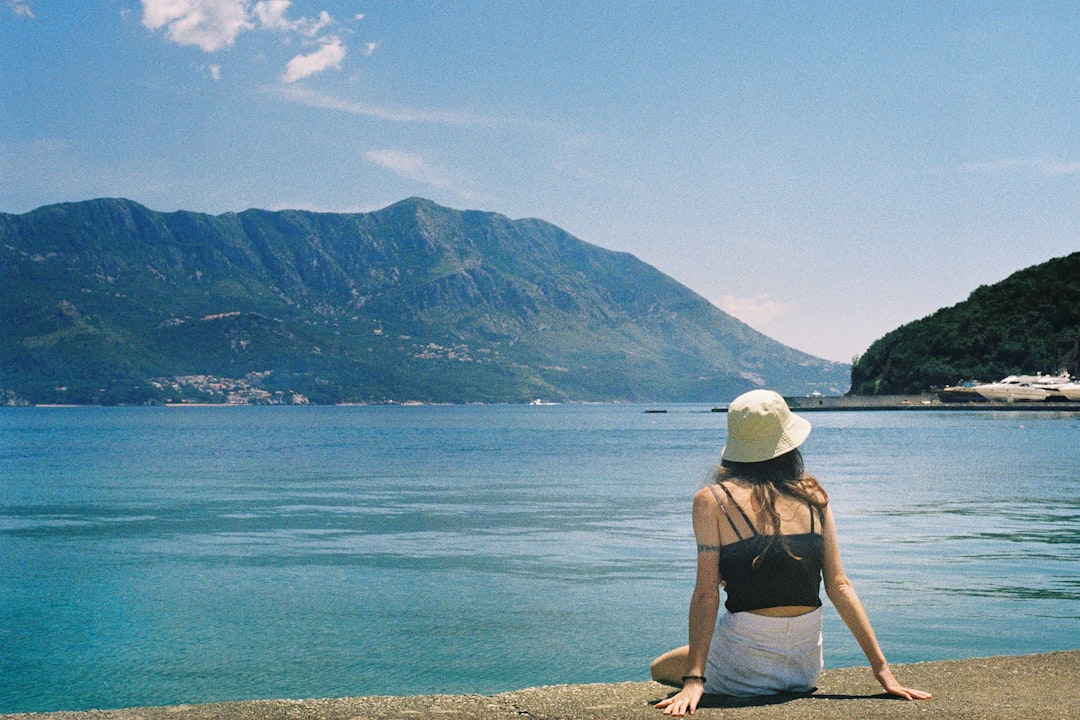
Budva Travel Guide: Everything You Need to Know (2026)
Budva is one of the Adriatic’s oldest settlements, founded roughly 2,500 years ago and sitting just 3 metres above sea level on Montenegro’s central coast. With a permanent population of 13,338, this compact town punches far above its weight as the undisputed capital of Montenegrin tourism, drawing visitors with its intact medieval Old Town walls, 35 km of riviera beaches, and some of the Balkans’ most electric nightlife. The Budva Riviera alone accounts for the majority of Montenegro’s annual overnight stays — a fact that shapes everything from hotel prices to how early you need to book.
Three Things Not to Miss in Budva
- Budva Old Town (Stari Grad) — A fully intact Venetian-era walled city just 400 metres across, with medieval lanes and a sea-view citadel.
- Sveti Stefan Island — A 15th-century fortified village on its own islet, now an Aman resort visible from a free public beach 5 km south.
- Mogren Beach — A double-cove sandy beach reached through a cliff tunnel, ranked consistently as Budva’s most scenic free stretch.
Scroll down for our complete travel guide with tips on getting there, where to stay, costs and more.
Getting to Budva from the Airport
How do I get to Budva — by car, bus, or plane?
Fly into **Tivat Airport (TIV)**, just **25 km away**, or **Podgorica Airport (TGD)**, **65 km away** — TIV is the smarter choice in summer. From TIV, a taxi costs roughly **€20–25** and takes **30 minutes**; from TGD, budget **€40–50** or take a public bus via Podgorica bus station for around **€5**. What most guides skip: direct buses run from **Podgorica bus station** to Budva every 1–2 hours, but if you arrive late at TGD, the last connection departs before 21:00 — a taxi then becomes unavoidable. In my experience, booking a shared transfer in advance through **GetTransfer or Welcome Pickups** saves both stress and €10–15 versus a random airport cab.
Which airport is closest to Budva?
**Tivat Airport (TIV)** is definitively the closest at **25 km**, making it the preferred gateway for the Budva Riviera. **Podgorica Airport (TGD)** is **65 km** away and better suited if you plan to start your trip in the capital first. TIV receives direct summer charter and scheduled flights from London, Warsaw, Moscow, and Belgrade, but its winter schedule shrinks to almost nothing — a critical caveat. My tip: if you travel between November and March, TGD is more reliable with year-round **Air Montenegro** connections. Ryanair and easyJet serve TIV from April to October, making budget travel feasible in shoulder season.
How long does the journey from the airport to Budva take?
From **Tivat Airport (TIV)** to central Budva takes **30–40 minutes** by taxi under normal conditions. From **Podgorica Airport (TGD)** expect **60–75 minutes** by car. What surprises most arrivals: in July and August, the coastal road **Magistrala (M2.4)** between Tivat and Budva can clog badly around **Petrovac junction**, adding 20–30 minutes. I recommend arriving before 10:00 or after 19:00 in peak season to avoid this specific bottleneck. Bus journeys from Podgorica take **90 minutes** and cost around **€5**, but drop you at **Budva Bus Station on Popa Jola Zeca street**, a 10-minute walk from Old Town.
Do I need a rental car to explore Budva and its surroundings?
For Budva town itself, no — you do not need a car. The Old Town, beaches, and promenade (**Slovenska Plaža**) are all walkable within **20 minutes**. However, a car unlocks the entire Budva Riviera: **Sveti Stefan (5 km)**, **Petrovac (17 km)**, **Bar (45 km)**, and day trips to **Lake Skadar** or **Kotor Old Town (21 km)**. Rental starts at roughly **€35–50 per day** from local agencies at **Tivat Airport**. The honest caveat: parking in Budva’s centre in July and August is genuinely brutal — paid zones fill by 09:00, and illegally parked cars are towed without mercy. If you stay in Old Town, choose a hotel with parking or skip the car entirely.
Moving Around Budva
What are the best areas to stay in Budva?
**Old Town (Stari Grad)** is the most atmospheric choice — you wake up inside medieval walls — but it is pedestrianised and noisy until 03:00 in summer. **Slovenska Plaža** district, running 1.8 km southeast of Old Town, suits beach-focused travellers and has the highest concentration of mid-range hotels. **Bečići**, **3 km south**, is quieter, has arguably the best sandy beach on the riviera, and attracts families. My recommendation: stay in Bečići if sleep matters to you; stay in Old Town or Slovenska Plaža if you want nightlife at your doorstep. What most guides omit: Old Town accommodation has strict noise ordinances on paper but enforcement is essentially zero in peak season.
What does accommodation cost per night in Budva?
Budget guesthouses in **Slovenska Plaža** run **€25–45** per night in shoulder season. A solid mid-range hotel with a sea view — think **Hotel Astoria** in Old Town or **Hotel Budva** near the beach — costs **€80–150** per night in July and August. Upscale boutique options push **€200–350**. The **Aman Sveti Stefan**, technically on the riviera 5 km out, charges from **€800 per night** and is in a category of its own. My honest warning: prices in Budva spike sharply between late June and late August — the same room that costs €60 in May can hit €160 in July. Booking directly with the hotel often shaves 10–15% off OTA prices.
How far in advance should I book accommodation in Budva during high season?
Book **at least 3–4 months ahead** for July and August — ideally by April. Good mid-range properties in **Old Town** and **Bečići** sell out entirely by May for peak weeks. What surprises travellers: the week of **Montenegro’s Carnival (February)** and the **Sea Dance Festival (late July/early August)** are secondary spikes when even budget rooms become scarce. My tip: if you miss the window, check **Booking.com** for cancellation slots in early June — there is always a wave of cancellations roughly **4–6 weeks** before arrival as plans change. For September, booking **6–8 weeks ahead** is usually sufficient and you pay 30–40% less.
What special or unique accommodation types exist in Budva?
Budva’s most genuinely unique sleep option is renting a **private stone apartment inside Old Town walls** — several are listed on **Airbnb** and local site **Montenegro Apartments**. These are former Venetian-era residences with original stonework, often just **40–50 m²**, and cost **€70–120 per night** in peak season. For a splurge, the **Aman Sveti Stefan** (5 km south) lets you sleep in a restored 15th-century fishing village cottage, arguably one of the most dramatic hotel settings in Europe. My tip: agrotourism guesthouses in the hills above Budva, around the village of **Rijeka Rezeviči**, offer a complete contrast — olive groves, home-cooked food, and genuine quiet for **€40–60 per night**.
Choosing a Neighbourhood in Budva
What are the absolute must-sees in Budva?
Three things belong on every itinerary. First: **Budva Old Town (Stari Grad)** — walk the full circuit of its Venetian walls at sunset for free and visit the **Citadel** (entry **€3.50**). Second: **Sveti Stefan Island**, 5 km south — the Aman resort is private but the adjoining **Queen’s Beach** and the hillside viewpoint above the causeway are public and free. Third: **Mogren Beach**, reached through a cliff tunnel just west of Old Town — a double sandy cove with clear water and no jet skis. What I’d add as a fourth: the **Archaeological Museum of Budva** (€3 entry) holds 2,500 years of artefacts from the town’s Illyrian and Greek founding layers and is genuinely undervisited.
What can I experience for free in Budva?
Budva delivers surprising free value. Walking **Old Town’s walls** externally and exploring its lanes costs nothing. **Mogren Beach** and **Slovenska Plaža** are fully public — no sun-lounger charge if you bring your own towel. The **Church of the Holy Trinity (Crkva Svete Trojice)** inside Old Town is open to visitors at no charge. What surprises most visitors: the promenade walk from **Budva Old Town south through Bečići to Rafailovići** spans **6 km** of Adriatic coastline and is one of the finest free coastal walks in the Mediterranean. My tip: the **Friday fish market** near the harbour is free to browse and gives an unfiltered glimpse of local life before the tourist scrum starts.
Which day trips from Budva are most worthwhile?
**Kotor Old Town** is the undisputed best day trip — just **21 km north** by car or a **€3–5 bus**, and its UNESCO-listed walls and Venetian cathedral are outstanding. **Lake Skadar National Park**, **60 km away**, offers boat trips through Balkan Europe’s largest lake for around **€15–20 per person**. **Bar**, **45 km south**, has the haunting ruins of **Stari Bar** (old city) and a market town atmosphere untouched by riviera tourism. The honest caveat: **Dubrovnik (Croatia)** is **92 km away** but the border crossing at **Debeli Brijeg** takes 30–90 minutes in July — factor this into your planning. In my experience, **Kotor + Perast** as a combined day is the single best day trip from Budva.
What local specialities should I eat in Budva?
Order **grilled fish by the kilogram** — local catches like **brancin (sea bass)** and **orada (sea bream)** are the authentic choice, priced at **€8–14 per kg** at harbour-adjacent konobas. **Školjke na buzaru** (mussels in white wine and garlic) is a Montenegrin coast classic and costs around **€6–8 per portion**. Inland flavours reach Budva too: **njeguški pršut** (smoked ham from the Lovćen highlands) and **njeguški sir** (aged sheep’s cheese) are served on every decent mezze plate. My honest warning: seafood restaurants on **Slovenska Plaža** charge tourist premiums — the same dish costs 30–40% less at **Konoba Stari Ribar** in the backstreets of Old Town or at local spots in **Bečići**.
Top Sights in Budva
What makes Budva genuinely unique compared to other Adriatic towns?
Budva is the only Adriatic medieval walled city that combines a legitimately intact **2,500-year-old urban core** with a fully functioning beach resort and club scene within **400 metres** of each other. That density is unmatched. The **Latinata cliff bar**, built into Old Town’s sea-facing walls, serves cocktails literally over the Adriatic — nowhere on the Croatian coast replicates this. Culturally, Budva still feels more Eastern Mediterranean than Western European: the pace is different, the prices haven’t fully converged with Dubrovnik yet, and local life persists alongside tourism in ways that places like **Hvar** or **Santorini** lost a decade ago. What I find most striking: you can eat a **€4 burek** for breakfast 100 metres from a Michelin-adjacent restaurant charging **€60 per head**.
How many days should I spend in Budva?
**3 full days** is the minimum to see Budva properly without rushing. Day 1: Old Town walls, Citadel, Mogren Beach. Day 2: Sveti Stefan, Bečići beach, evening promenade. Day 3: Kotor day trip. Add a **4th or 5th day** if you want Lake Skadar or Bar. What most itineraries miss: spending one evening simply sitting at a harbourside table in **Old Town at dusk**, when the cruise visitors have left and the light on the walls turns gold — that hour is what Budva actually is. The honest caveat: if nightlife is your priority, add extra days because Budva’s clubs — **Top Hill, Casper, Aquatica** — operate on a schedule that makes daytime sightseeing the next morning physically difficult.
When is the best time to visit Budva?
**June and September** are objectively the best months — sea temperatures hit **22–24°C**, crowds are 40–50% lower than peak, and hotel prices drop significantly. Climate data confirms **July** as the warmest month, but it is also the most crowded and expensive. My personal preference is **mid-September**: the Adriatic is still perfectly swimmable, the beaches breathe again, and konobas are desperate to fill tables so you can negotiate a better meal. The honest trade-off: May is beautiful and cheap but sea temperature sits around **18°C** — refreshing for some, too cold for others. Avoid the **Sea Dance Festival week in late July** unless you are specifically attending — accommodation doubles in price and every beach becomes a staging ground.
Are there local festivals in Budva worth attending?
**Grad Teatar** (City Theatre Festival), held in **Budva’s Old Town each July**, is a legitimate cultural highlight — open-air performances on the Citadel stage and in Old Town squares, with tickets from **€5–15**. The **Sea Dance Festival** in late July/early August is a major electronic music event drawing 50,000+ visitors over 3 days — if that is your scene, it is one of Europe’s better beach festival setups. **Budva Carnival** in February is small but genuinely local. My honest warning: the **July festivals overlap**, meaning Old Town is simultaneously hosting theatre, music events, and peak beach tourism — accommodation pressure is extreme. Book 5–6 months ahead if you want to attend Grad Teatar with a decent room at a sensible price.
Where to Eat in Budva
How does the weather in Budva affect which activities you can do?
Budva sits at **3 metres above sea level** on a fully Mediterranean coast: summers are hot, dry, and sunny; winters are mild but wet. From **June through September**, outdoor beach life, watersports, boat trips, and Old Town evenings are all ideal. October still allows coastal walks and sightseeing with almost no crowds. November through March brings rain and most beach bars close entirely — but Old Town never fully shuts and hiking the **Lovćen National Park** above Budva becomes genuinely rewarding. What most guides skip: the **Bora wind** occasionally hits in winter with surprising force, making the coastal promenade uncomfortable. In my experience, October and early November offer the best photography conditions — low light, emptier lanes, dramatic clouds over Old Town.
How crowded does Budva get in peak season?
In **July and August**, Budva is genuinely overwhelmed. The permanent population of **13,338** is outnumbered multiple times over by tourists — beaches are packed by 09:30, Old Town lanes become a shuffling crowd by midday, and restaurant waits exceed **45 minutes** at prime dinner spots. **Slovenska Plaža** specifically reaches uncomfortable density. My tip: visit Old Town before **09:00** or after **20:00** in high season — those are the only windows when it feels like a real place rather than a theme park. The quieter alternative within the riviera: **Petrovac**, **17 km south**, has a fraction of Budva’s crowd and a genuinely lovely bay. What surprises most arrivals: even at peak, the **Mogren Beach cliff trail** remains manageable because it requires a 10-minute walk that filters out most of the casual beach crowd.
How safe is Budva for travellers?
Budva is safe for tourists by any practical measure. Petty theft — particularly phone and bag snatching — occurs on **Slovenska Plaža** in high season but is not rampant. The bigger risk is the nightlife district around **Jadranski Put** on weekend nights: alcohol-fuelled altercations between groups of young men do happen, though tourists are rarely targeted directly. My honest warning: the road between **Budva and Petrovac (M2.3)** has a poor accident record — local drivers treat it as a racetrack after dark. Avoid driving it between midnight and 05:00 in summer. The **emergency number is 112**, and **Budva Health Centre on Vladimira Rolovića** handles minor medical issues. I have never personally felt unsafe in Budva’s Old Town at any hour.
Is English widely spoken in Budva?
English fluency in Budva is high by Balkan standards — virtually every restaurant, hotel, and tour operator in **Old Town** and **Slovenska Plaža** speaks functional to good English. Young staff at beach bars and clubs often speak excellent English plus German. The official language is **Montenegrin**, closely related to Serbian. Outside the tourist zone — at the **local market, bus station, or a neighbourhood bakery** — expect basic English at best, and a translation app becomes useful. My tip: downloading **Google Translate’s Serbian language pack** offline covers Montenegrin with about 95% accuracy, which is enough for any practical situation. What surprised me: menus in Old Town are almost universally available in English, Italian, and Russian — the three dominant tourist nationalities.
Before You Go to Budva
What is the daily budget for travelling in Budva?
A genuine budget traveller staying in a hostel dormitory, eating **burek (€1.50)** for breakfast, a konoba lunch for **€7–9**, and self-catering in the evening can survive on **€40–55 per day**. A mid-range traveller with a private hotel room, two restaurant meals, one paid entry, and a drink or two will spend **€100–140 per day** in peak season. Local transport costs roughly **€2.89 per ride** per verified Numbeo data. A cheap restaurant meal averages **~€15**, and a mid-range dinner for two comes in around **€27** based on current pricing data. The hidden cost most guides omit: **sun-lounger rental on Slovenska Plaža runs €8–12 per lounger per day** — a couple spending a week on the beach adds €110–170 to their budget just in lounger fees.
How does public transport work in Budva?
Budva has a functional local bus network operated by **AD Prevoz** connecting the town centre, **Bečići**, **Rafailovići**, and **Petrovac** year-round, with reduced winter frequency. A single fare costs approximately **€1.50–2** paid to the driver in cash. The most useful route for visitors: **Line 6** runs from Budva bus station through Slovenska Plaža to Bečići roughly every **20–30 minutes** in summer. Intercity buses to **Kotor (€3–4, 40 min)**, **Podgorica (€5, 90 min)**, and **Bar (€4, 50 min)** depart from **Budva Bus Station on Popa Jola Zeca street**. The honest caveat: there is no real-time tracking app for Budva’s local buses — you show up and wait, which in high season can mean standing on a hot roadside for **25 minutes**.
Which apps do you recommend for visiting Budva?
**Maps.me** with Montenegro offline maps downloaded before arrival is essential — Google Maps coverage of smaller roads and trails around Budva has gaps. **Booking.com** remains the dominant accommodation platform for last-minute room hunting. **Rome2Rio** is useful for planning bus connections to **Kotor, Bar, or Podgorica**. For translation, **Google Translate** with the Serbian pack offline handles Montenegrin menus and signs reliably. **Revolut or Wise** saves on currency conversion fees since Budva uses the **€ euro** despite Montenegro not being in the EU. My honest addition: **WhatsApp** is how local taxi drivers, private apartment owners, and boat trip operators communicate — get a local **SIM from m:tel or Crnogorski Telekom** (available at Tivat Airport for around **€10 including 5 GB data**) within your first hour.
Budva at a Glance
| Population | 13,338 |
|---|---|
| Currency | EUR (€) |
| Official language | Montenegrin |
| Time zone | UTC+01:00 |
Source: Wikidata, retrieved August 2026.
Montenegro › Budva Riviera › Budva
More Destinations in Budva Riviera
More Destinations in Montenegro
Essential Resources for Planning Your Trip to Budva
- Wikipedia: Budva — history, geography & background
- Wikivoyage: Budva — community travel guide & practical tips
- Budva travel – Lonely Planet | Montenegro, Europe — expert itineraries & travel inspiration
- THE 15 BEST Things to Do in Budva (2026) — hotels, restaurants & traveller reviews
- Discovering Montenegro’s beauty by public transport — how to get around
- Numbeo: Cost of Living in Budva — current prices & cost comparison
- Timeanddate: Budva Weather & Climate — forecasts & climate statistics
More Perspectives on Budva
- The Ultimate Guide to Budva, Montenegro: Old Town, …
- Budva, Montenegro: Travel Guide
- Budva, Montenegro: A Complete Travel Guide
Budva Travel Videos
Watch these videos for a visual preview before your trip:
- Budva Travel Guide: The best one on youtube! 🇲🇪🏰🏝
- BUDVA TRAVEL GUIDE: 15 Things You Can’t Miss in Budva Montenegro
- Budva Montenegro Travel Guide 2026 | The Truth Before You Visit! (Beaches & Prices)
Budva Travel Discussions on Reddit
Real traveller experiences and community advice:
- Visit Budva (and surrounds) in early-mid June : r/montenegro
- Is Budva, Montenegro a relaxing or party destination?
- Montenegro budva or kotor : r/travel
Data Sources
This page was compiled using data from Wikipedia, Wikidata, Open-Meteo (climate), Numbeo (cost of living) and REST Countries. Information is updated regularly.