
Pantelleria: The Complete Travel Guide (2026)
Last reviewed: October 2026 · key facts checked against Wikidata
Pantelleria Travel Guide: Everything You Need to Know (2026)
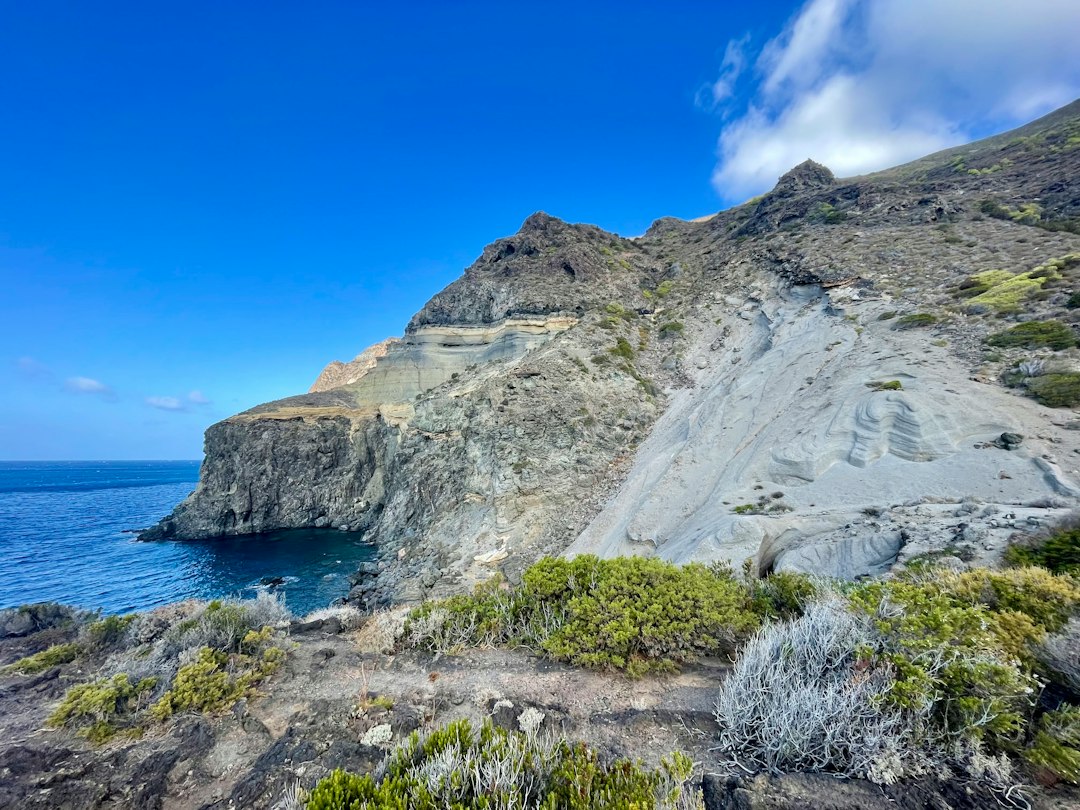
Pantelleria is a volcanic island of 7,352 inhabitants lying 68 km off the Tunisian coast and 106 km southwest of Sicily in the Strait of Sicily, making it Italy’s closest inhabited island to Africa. The island sits at roughly 5 m above sea level at its port but rises to 836 m at the volcanic peak of Montagna Grande. Known since antiquity as Cossyra, it produces the prized Passito di Pantelleria dessert wine under its own DOC designation.
Three Things Not to Miss in Pantelleria
- Lago di Venere (Venus Lake) — A stunning natural crater lake with thermal waters reaching 40 °C, set inside an ancient caldera.
- Passito di Pantelleria wine tasting — The island’s DOC-protected amber dessert wine, made from Zibibbo grapes trained low against volcanic rock.
- Dammusi stone dwellings — Traditional Arab-Norman cube houses with domed roofs, many now available as unique boutique accommodation.
Scroll down for our complete travel guide with tips on getting there, where to stay, costs and more.
Getting to Pantelleria: Ferry or Flight
How do I get to Pantelleria — by flight or ferry?
Flying is the faster and more reliable option for most visitors. Pantelleria Airport (PNL) receives direct flights from Rome, Milan, and Palermo, with flight times ranging from 1 hour (Palermo) to roughly 2 hours (Rome). Ferries from Trapani (Sicily) take approximately 5–6 hours and run year-round via Liberty Lines or Grimaldi Lines — check operators directly for 2026 timetables. Tip: In summer, swells in the Strait of Sicily can cause delays or cancellations, so flights are more dependable for short trips. The ferry is worth considering only if you are bringing a car, as it is significantly cheaper per vehicle than flying.
Which airport or port is the best starting point for Pantelleria?
Pantelleria Airport (PNL) is the island’s own small airport and the most practical gateway. It sits just 2 km from Pantelleria town, so a taxi or rental car transfer takes under 10 minutes. The alternative entry point is the ferry port in Pantelleria town’s Marina, which receives vessels from Trapani. If you are arriving by ferry, note that Trapani’s ferry terminal is itself about 15 km from Trapani Birgi Airport (TPS), so combining a mainland flight with a ferry crossing adds considerable travel time. For convenience, flying directly to PNL and then picking up a rental car at the airport is the standard approach.
How long does the ferry crossing to Pantelleria take?
The Trapani–Pantelleria ferry takes approximately 5 to 6 hours on standard ro-pax vessels. Liberty Lines also operates a faster hydrofoil service that covers the same route in roughly 2.5 hours, though it is more weather-dependent and does not carry cars. Grimaldi Lines runs overnight services departing Trapani in the evening and arriving in Pantelleria in the early morning, which can save a night’s accommodation cost. Worth knowing: during the July–August peak, sailings fill quickly and booking at least 4–6 weeks ahead is advisable, especially if you are bringing a vehicle. Always verify current schedules with Liberty Lines or Grimaldi Lines, as timetables shift seasonally.
What does a flight or ferry to Pantelleria cost?
Domestic flights to Pantelleria (PNL) from Palermo or Rome start around €50–€120 one-way when booked early through Ryanair or ITA Airways, though last-minute summer fares can exceed €200. The Trapani ferry (Liberty Lines hydrofoil) costs roughly €30–€50 per person one-way; the slower Grimaldi ro-pax is comparable or slightly cheaper but adds a car-transport surcharge of approximately €60–€100 each way. Tip: Flying without a car and renting locally nearly always costs less overall than paying both the ferry vehicle surcharge and the fuel for a mainland drive to Trapani. Check Liberty Lines and Grimaldi Lines websites for exact 2026 pricing, as fuel surcharges apply.
Are overnight ferries to Pantelleria worth it?
Overnight ferries are worth it only if you are bringing a car or travelling on a tight budget. Grimaldi Lines operates late-evening departures from Trapani, arriving in Pantelleria in the early morning, effectively replacing a hotel night. A basic cabin berth costs roughly €20–€40 extra on top of the passage fare. However, the Strait of Sicily can be choppy, particularly in autumn, making sleep difficult without a private cabin. Worth knowing: the overnight service does not run daily year-round — frequency drops to 2–3 times per week outside summer. Confirm exact 2026 schedules with Grimaldi Lines. For travellers flying in from elsewhere in Italy, the overnight option adds complexity that rarely justifies the saving.
Getting Around Pantelleria
Do I need a rental car or scooter on Pantelleria?
Yes — a rental car or scooter is strongly recommended on Pantelleria. The island has no urban bus network worthy of independent sightseeing; key sites such as Lago di Venere, the Siba crater, and the vineyards of Khamma and Tracino are spread across hilly volcanic terrain. A small hatchback or Fiat Panda costs roughly €40–€80 per day in peak season; scooters start around €25–€40 per day. Note that Pantelleria’s roads are narrow, winding, and often steep — scooter hire requires experience with mountain roads. Tip: Book your rental car in advance through an operator with a desk at PNL Airport, such as Autonoleggio Pantelleria or Maggiore, as the island’s fleet is small and sells out in July–August.
Are there bus connections between towns on Pantelleria?
Public buses on Pantelleria are limited and not designed for tourist sightseeing. AST (Azienda Siciliana Trasporti) operates infrequent routes linking Pantelleria town with a handful of interior villages, but services are sparse — often just 2–4 departures per day on each route. No bus serves the Lago di Venere or most coastal viewpoints directly. Worth knowing: bus timetables do not align well with tourist hours and services are reduced or suspended outside the summer season. If you are planning to rely solely on buses, you will be limited to the immediate area around Pantelleria town. We recommend renting a vehicle; the bus is useful mainly as a backup or for a single day excursion to the town market.
What does a rental car cost on Pantelleria — and where do I hire one?
Expect to pay roughly €40–€80 per day for a small car in peak summer on Pantelleria. Shoulder-season rates (May, June, October) drop to approximately €30–€55 per day. The main hire options are local operators such as Autonoleggio Pantelleria and national chains with airport desks including Maggiore and Hertz; always verify current 2026 availability directly with each operator. A compact or mid-size 4WD is worth the upgrade, as some tracks to viewpoints and beaches involve rough volcanic surfaces. Tip: The island’s fleet is small — no more than a few hundred vehicles total — so booking at least 6–8 weeks ahead for July or August is not excessive. Petrol stations are limited outside Pantelleria town, so keep the tank topped up.
Which parts of Pantelleria are accessible by public transport?
Only Pantelleria town and a narrow corridor of interior villages are reachable by public bus. AST bus routes connect the port area of Pantelleria town with hamlets such as Scauri, Gadir, and Scurati, but services run infrequently — typically 2–3 times daily. The island’s main tourist draws — Lago di Venere, Montagna Grande, the Balata dei Turchi inlet, and Arco dell’Elefante (the natural rock arch) — have no direct bus service. Worth knowing: local taxis exist but are scarce and expensive for multi-stop days, making a full day tour by taxi easily €100–€150. Guided minibus excursions bookable through hotels cover most sights in a single day and can be the right compromise for visitors who prefer not to drive on steep volcanic roads.
Can I cycle around Pantelleria?
Cycling around the full island perimeter is possible but demanding — not recommended for casual riders. The coastal ring road is approximately 50 km long, but Pantelleria’s terrain is volcanic with sharp climbs reaching over 600 m on interior routes. The heat in July and August (regularly above 30 °C) adds to the challenge. E-bike hire is available through a small number of local operators in Pantelleria town, making it a more realistic option for those wanting to explore the northern coast without tackling the full circuit. Tip: the stretch from Gadir to Cala Levante is scenic and relatively manageable on a standard bike. Always carry water, as roadside cafés are rare outside the main town. Helmets are legally required in Italy.
Where to Stay on Pantelleria
Which town should I base myself in on Pantelleria?
Base yourself in or just outside Pantelleria town for the widest range of services and easy port access. The town holds the island’s supermarkets, pharmacy, restaurants, and ferry connections. For more character, staying in a dammuso (traditional stone dwelling) in the agricultural interior — around Khamma, Tracino, or near Montagna Grande — gives a quieter, more immersive experience. Couples and villa travellers often prefer the elevated hamlets for privacy and views. Worth knowing: the island is small enough (83 km²) that no accommodation is more than 30 minutes by car from any sight, so base choice is more about ambience than logistics. Summer partygoers tend to cluster near the town waterfront, while those seeking silence choose interior dammusi.
What does accommodation cost per night on Pantelleria?
Budget €100–€200 per night for a comfortable dammuso or B&B in high season. A private dammuso rental through Airbnb or specialist agencies such as Pantelleria Dream or Case Pantelleria averages €150–€350 per night in July–August, depending on size and sea view. Simpler rooms in guesthouses near Pantelleria town start around €70–€100. The island’s boutique luxury option — Sikelia resort — commands €500+ per night in peak season. Worth knowing: Pantelleria has relatively few large hotels; the accommodation stock is dominated by private rentals of traditional dammusi, which suits weekly stays better than nightly arrivals. A minimum stay of 3–7 nights is often required at dammuso properties during summer.
Which area of Pantelleria suits which travel style?
Pantelleria town suits travellers who want restaurants, ferries, and nightlife within walking distance. The northern coastal area around Gadir and Cala Levante appeals to snorkellers and those wanting thermal mud baths near the sea. The agricultural interior around Khamma and Tracino is ideal for wine lovers, hikers, and anyone seeking the authentic dammuso lifestyle among Zibibbo vineyards. The south coast near Scauri is quieter and less visited, attracting independent travellers who want fewer crowds. Worth knowing: the island has no sandy beaches — coastlines are volcanic rock and pebble — so beach-holiday traditionalists expecting Mediterranean sand should temper expectations. The volcanic scenery, thermal waters, and food culture are the real draws.
How far in advance do I need to book accommodation on Pantelleria?
Book at least 2–3 months ahead for July and August; 4–6 weeks suffices for June and September. Pantelleria’s accommodation stock is small relative to its summer demand — the island hosts a fashion-world and celebrity crowd that books premium dammusi as early as January for August. Worth knowing: last-minute availability in peak season almost always means paying the highest nightly rates for whatever remains, often poorly located rooms. Operators such as Pantelleria Dream and Case Pantelleria list annual calendars from November or December. If you have flexibility, September and October offer warm weather, uncrowded roads, and the Zibibbo grape harvest — with dammusi sometimes available on short notice at reduced rates.
Are there good apartments or dammusi on Pantelleria with sea views?
Yes — sea-view dammusi are Pantelleria’s signature accommodation type and widely available through specialist agencies. Properties perched on the hillsides above Gadir and along the northern coast regularly feature views over the Strait of Sicily toward Tunisia. Agencies such as Pantelleria Dream, Case Pantelleria, and Dolce Vita Pantelleria curate listings with verified sea views, private pools, and gardens. Prices for a two-bedroom dammuso with sea view average €200–€400 per night in August. Tip: verify whether a pool is shared or private and confirm road access — some hillside properties require a 5–10 minute walk from the nearest parking. Airbnb also lists dozens of options, but agency bookings typically include local support if problems arise.
Best Time to Visit Pantelleria
When is the best time to visit Pantelleria?
July through October are the best months to visit Pantelleria, based on climate analysis. July and August offer the warmest, driest conditions ideal for swimming in thermal coves and visiting Lago di Venere. September is widely considered the sweet spot: temperatures remain above 25 °C, crowds thin noticeably, and the Zibibbo grape harvest adds a cultural dimension unavailable in summer. October brings cooler evenings but mild days suitable for hiking Montagna Grande. Worth knowing: the island is exposed to strong winds — the sirocco from Africa and the tramontana from the north — which can make seas rough outside the June–September window, affecting ferry crossings and coastal activities. Avoid January–March unless you are drawn specifically to off-season solitude.
What is the weather on Pantelleria like throughout the year?
Pantelleria has a hot semi-arid Mediterranean climate with virtually no rain from June through September. Summer temperatures regularly reach 30–35 °C, moderated by sea breezes. The island’s elevation at Montagna Grande (836 m) means interior areas are several degrees cooler than the coast. Autumn brings the first rains from October, peaking in November and December. Winter is mild at the coast — rarely below 10 °C — but the island becomes very quiet, with numerous restaurants and accommodations closed from November through March. Worth knowing: Pantelleria receives the sirocco, a hot dusty wind from North Africa, that can spike temperatures above 40 °C for short periods in summer, particularly in July. Stay hydrated and carry sun protection.
When does Pantelleria get overcrowded?
Pantelleria reaches its peak crowding in August, particularly the second and third weeks. The island’s small size (population just 7,352) means that even a modest influx of summer visitors strains roads and restaurants visibly. Ferries and the single airport can create bottlenecks on peak Saturdays. The Lago di Venere parking area fills by 10:00 on August mornings. Worth knowing: Pantelleria attracts a notable fashion-industry and Italian celebrity crowd, which concentrates spending in a small number of top restaurants — reservations at places such as Il Cappero at Sikelia are essential weeks in advance. Compared to Lampedusa (about 230 km southwest), Pantelleria is slightly less mass-market but equally pressured in August. Visiting in September avoids the worst congestion.
Is there a worthwhile shoulder season on Pantelleria?
September and early October are Pantelleria’s best shoulder months — warm, quieter, and culturally rich. Water temperatures hold above 24 °C through September, making swimming fully enjoyable. The Zibibbo grape harvest (typically mid-August to mid-September) is a unique spectacle; some producers near Khamma welcome visitors to watch or participate. Accommodation prices drop by roughly 20–35% compared to August peaks. Worth knowing: not all restaurants and boat-hire operators remain open past late September, so check individual businesses before booking a late-October trip. May and early June are emerging as a third shoulder option — wildflowers cover the volcanic slopes and hiking is comfortable — but the sea is cooler (around 20–22 °C) and some dammusi are still in pre-season closure.
When does the beach and watersports season begin on Pantelleria?
Swimming is comfortable from mid-June, with water temperatures reaching 22–23 °C, though the season runs strongest July through September when surface temperatures hit 26–28 °C. Boat hire, snorkelling tours, and diving operators such as Pantelleria Diving and local charter companies based in Pantelleria Marina typically open from early June and close by mid-October. Worth knowing: Pantelleria has no sandy beaches — all access points are volcanic rock, lava platforms, or pebble coves such as Cala Levante and Balata dei Turchi. Water shoes are essential. Windsurfing and kitesurfing are possible, particularly at Punta Fram, where the tramontana wind provides reliable conditions; check local hire operators for seasonal availability.
What Pantelleria Costs
What does a daily budget cost on Pantelleria?
Plan on roughly €100–€150 per person per day on a mid-range budget, excluding accommodation. This covers a rental car share (roughly €25–€40 per person), two restaurant meals, entry to any paid sites (few — most scenic spots are free), and drinks. A tight budget — self-catering from the Pantelleria town market, picnicking at scenic spots — can squeeze costs to €50–€70 per person. A comfortable day with a boat trip, restaurant lunch, and dinner at a quality trattoria runs €150–€200+. Worth knowing: Pantelleria is noticeably more expensive than inland Sicily — compare to Agrigento, where a mid-range day costs roughly €60–€80. The island’s remoteness means everything from fuel to groceries carries a supply-chain premium.
Is Pantelleria more expensive than the Sicilian mainland?
Yes — Pantelleria is meaningfully more expensive than mainland Sicily across most categories. Groceries cost roughly 10–20% more due to transport logistics; restaurant main courses average €18–€30 at mid-range places, compared to €12–€20 in Palermo or Trapani. Accommodation is also higher: a comparable sea-view room costs roughly 30–50% more than in Cefalù or Syracuse in August. Petrol prices reflect the island surcharge and typically run €0.10–€0.20 more per litre than the Sicilian mainland. Worth knowing: despite higher prices, Pantelleria remains more affordable than Capri or Sardinia’s Costa Smeralda for similar volcanic-island experiences. The premium is justified for most travellers by the island’s unspoiled character and lack of mass-market tourism infrastructure.
What expenses are unavoidable on Pantelleria?
Vehicle hire and the cost of getting there (flight or ferry) are the two unavoidable fixed costs. A rental car for a week in shoulder season costs roughly €250–€400 total; in August expect €350–€550. Flights from Palermo start around €50 one-way when booked early but surge to €150–€200+ in summer. Unless you stay in a self-catering dammuso, restaurant meals add up quickly on an island with limited budget alternatives. Worth knowing: sunscreen, water shoes, and basic provisions cost significantly less if purchased on the mainland before arrival. The island has a single pharmacy and limited medical facilities, so travel insurance covering evacuation is a practical necessity, not an optional extra. Budget for a potential one-night hotel in Trapani if your ferry or flight is disrupted.
What does food cost on Pantelleria — local versus tourist prices?
A trattoria lunch costs €15–€25 per person; dinner at a quality restaurant runs €35–€60+ per person with wine. Local bar coffees remain Italian-price standard — €1.20–€1.50 for an espresso — even in summer. Fresh tuna (panned or grilled), capers in salt, and Zibibbo-based sauces are the island’s culinary identity; dishes built around them are widely available. The Mercato Comunale in Pantelleria town sells local capers, sun-dried tomatoes, and cheeses at fair prices. Worth knowing: tourist-facing restaurants on the waterfront charge a premium, while family-run trattatorie one street back — such as those along Via Messina — offer comparable quality at roughly 20–30% less. A bottle of Passito di Pantelleria from a producer such as Donnafugata or Marco De Bartoli costs €20–€40 at a wine shop versus €60–€90 by the glass equivalent in restaurants.
What are the best beaches and swimming spots on Pantelleria?
Pantelleria has no sandy beaches — its best swimming is from volcanic rock platforms and lava coves. The most popular spots include Cala Levante near Gadir (shallow, calm, snorkeller-friendly), Balata dei Turchi on the south coast (remote, dramatic, requires a short walk), and Punta Fram on the east coast (popular with windsurfers, more exposed). The natural sea thermal spring at Gadir — a small pool against coastal rocks heated by volcanic activity — is a unique experience unavailable anywhere else in Italy. Worth knowing: water shoes are not optional on Pantelleria; the volcanic rock is sharp. Bring your own, as rental options on the island are limited. Arco dell’Elefante, the elephant-shaped natural lava arch, is the most photographed coastal formation.
Beaches & Experiences on Pantelleria
What are the top sights on Pantelleria beyond the beaches?
Lago di Venere (Venus Lake) is the island’s single most dramatic inland sight — a brackish crater lake whose thermal waters average 40 °C, surrounded by volcanic rimrock and naturalistic mud pools. Montagna Grande (836 m) offers hiking trails through Mediterranean maquis with views across to Tunisia on clear days. The prehistoric sesi — stone burial mounds unique to Pantelleria dating back roughly 4,000 years — are scattered near the airport road and require no entry fee. The historic Castello Barbacane in Pantelleria town, a Spanish-era fortress, houses a small museum. Worth knowing: Pantelleria’s interior landscape — windswept drystone-walled vineyards of low-trained Zibibbo vines — is recognised as a UNESCO Cultural Landscape since 2014, making it arguably as valuable culturally as scenically.
What watersports activities are available on Pantelleria?
Snorkelling, scuba diving, boat hire, and windsurfing are the main watersports on Pantelleria. Pantelleria Diving and similar operators run guided dives to underwater lava flows and wrecks; a single introductory dive costs roughly €60–€80. Day boat charters to circumnavigate the island (about 50 km of coastline) and access otherwise unreachable coves range from €60–€120 per person on shared tours. Windsurfing gear hire is available at Punta Fram. Kayak rental is offered by a small number of operators near Pantelleria Marina. Worth knowing: conditions can change fast in the strait — the tramontana and sirocco can ground boats with little warning. Always check that any charter operator is licensed and insured; book through your accommodation or the Marina di Pantelleria information point.
What is the culinary highlight of Pantelleria?
**Passito di Pantelleria, the amber DOC dessert wine made from sun-dried Zibibbo grapes, is the island’s defining culinary product. Beyond wine, Pantelleria’s capers — particularly from the area of Khamma** — are considered among Italy’s finest, packed in salt rather than brine, and used in virtually every local dish. Grilled or bottarga-style bluefin tuna (Pantelleria sits on a historic tuna migration route) features prominently on menus from June through August. Couscous reflects the island’s proximity to Tunisia and North Africa — distinct from the Sicilian mainland version. Tip: buy capers and a bottle of Passito directly from producers such as Donnafugata or Murana for the best prices and verified provenance. The local pasta dish pasta con le sarde e finocchietto also appears on most trattatorie menus.
Which parts of Pantelleria are still off the beaten track?
**The south coast between Scauri and Balata dei Turchi sees a fraction of the visitors that the northern thermal areas attract. The hamlet of Bugeber in the interior is rarely visited despite its fine views and intact dammuso architecture. The volcanic crater area of Cuddia Attalora** north of the airport is largely ignored by tourists despite offering good hiking. Worth knowing: even on Pantelleria, “off the beaten track” is relative — the island covers just 83 km², so nowhere is truly isolated. The real separation comes from timing: visiting the Siba crater trail at dawn or exploring the Khaggiar lava field on weekday mornings avoids the small but dense summer crowds entirely. Compared to the nearby Egadi Islands (Favignana is about 100 km northeast), Pantelleria’s interior culture is far less touristically packaged.
How many days do I need on Pantelleria?
Five to seven days is the ideal stay on Pantelleria; three days is the practical minimum. In three days you can cover Lago di Venere, Montagna Grande, Arco dell’Elefante, and the town — but you will feel rushed. Five days allows a boat circumnavigation, a wine-producer visit, and time to slow down at a thermal pool without an itinerary. Seven days suits those renting a dammuso and wanting to live at the island’s unhurried pace. Worth knowing: the island’s most distinctive pleasure — sitting on a volcanic terrace watching the sunset over Cala Levante with a glass of Passito — cannot be rushed. By comparison, the Egadi Islands (reachable from Trapani in 30 minutes by hydrofoil) suit a shorter two-to-three-day visit; Pantelleria rewards longer investment.
Pantelleria at a Glance
| Population | 7,352 |
|---|---|
| Currency | EUR (€) |
| Official language | Italian |
| Time zone | Europe/Rome |
Source: Wikidata, retrieved October 2026.
More Destinations in Sicily
More Destinations in Italy
Essential Resources for Planning Your Trip to Pantelleria
- Pantelleria — official visitor information
- Wikivoyage: Pantelleria — community travel guide & practical tips
- Wikipedia: Pantelleria — history, geography & background
- Getting Around Pantelleria | Transport & Mobility — how to get there and around
- Balata dei Turchi | Italy | Attractions — itineraries & inspiration
Data Sources
Key facts on this page (population, currency, language, time zone) come from Wikidata, climate figures from Open-Meteo. The retrieval date is shown next to the facts table.