
Konstanz: The Complete Travel Guide (2026)
Last reviewed: September 2026 · key facts checked against Wikidata
Konstanz Travel Guide: Everything You Need to Know (2026)
Konstanz is a university city of 85,770 inhabitants perched at 402 metres above sea level on the western tip of the Bodensee, right on the Swiss border — making it the only major German city that escaped Allied bombing in WWII because pilots feared hitting neutral Switzerland. Founded as a Roman fort around 300 AD, it later hosted the Council of Constance (1414–1418), the largest gathering of the medieval world. Today it draws visitors with a flawlessly preserved Altstadt, a thriving student culture, and lake access that rivals any Alpine resort.
Three Things Not to Miss in Konstanz
- Konstanz Minster (Münster Unserer Lieben Frau) — A Romanesque-Gothic cathedral built over 700 years, housing the 1470 Holy Sepulchre — climb the tower for a panoramic lake view.
- Mainau Island — A flower island owned by the Bernadotte family featuring over 1 million tulips in spring, reachable by a 20-minute ferry from the city.
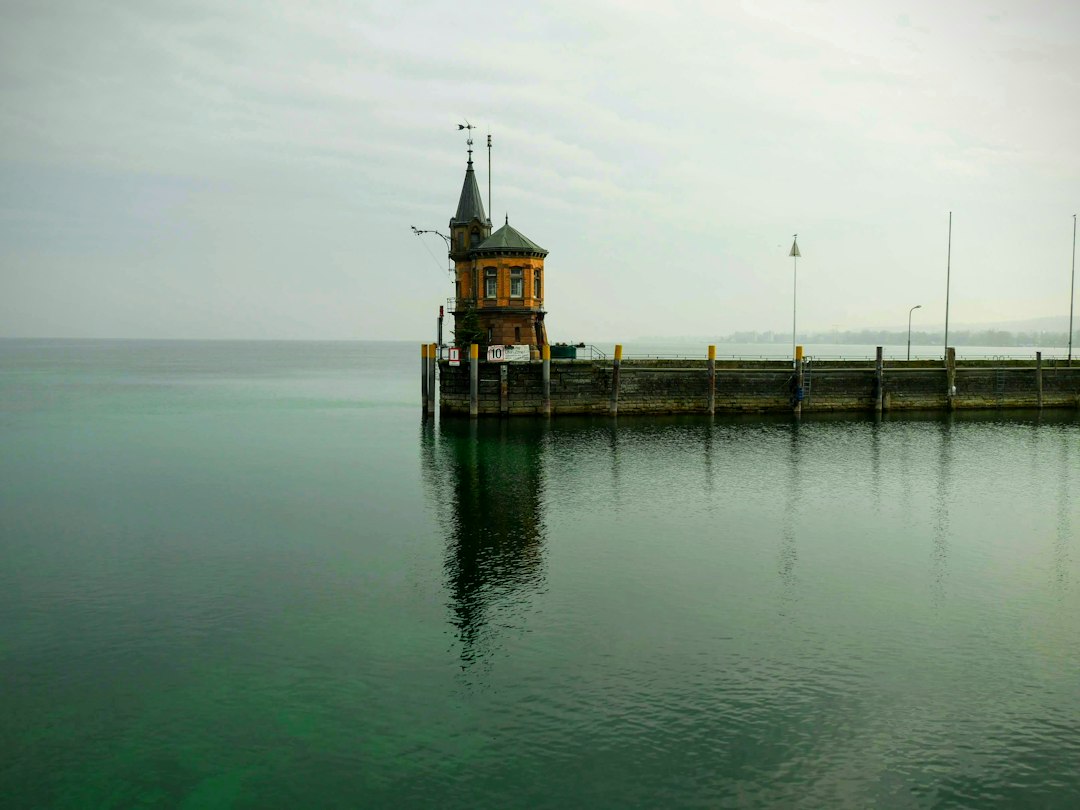
- Imperia Statue & Harbour Promenade — A 9-metre rotating sculpture satirising the 1414 Council of Constance, standing right at the historic ferry port entrance.
Scroll down for our complete travel guide with tips on getting there, where to stay, costs and more.
Getting to Konstanz from the Airport
How do I get to Konstanz?
Train is the fastest and most practical option from major German cities. I recommend arriving via Zurich HB if flying internationally — it is just 50 minutes by direct train to Konstanz. From Stuttgart, the journey takes roughly 2 hours 30 minutes via Singen. The Konstanz train station sits directly at the harbour, so you step off the platform and face the lake immediately. What most guides omit: the regional rail line from Radolfzell is a single-track line and delays cascade badly on weekends. My tip — book Interregio-Express seats in advance through the DB Navigator app to avoid standing on crowded Sunday evening trains.
Which airport is closest to Konstanz?
Zurich Airport (ZRH) is the closest and most useful entry point, sitting just 70 km away — roughly 1 hour 20 minutes total travel time by S-Bahn S16 to Zurich HB, then a direct train to Konstanz. Friedrichshafen Airport (FDH) is only 50 km away and handles Ryanair and Wizz Air routes, but its onward bus connection to Konstanz takes over 1 hour and runs infrequently. In my experience, ZRH wins every time despite being in Switzerland — the connection is seamless and the trains run like clockwork. Warning: Swiss francs are needed for the ZRH S-Bahn leg, though most machines accept cards.
How long does the journey to Konstanz take from major German cities?
From Stuttgart, plan for 2 hours 30 minutes by direct Intercity train via Singen — this is the most reliable German domestic connection. From Munich, the fastest route takes 2 hours 45 minutes with one change at Lindau or Radolfzell. From Frankfurt, allow 3 hours 30 minutes minimum. What most travellers miss: there is no high-speed ICE train directly to Konstanz — all routes use regional or Intercity stock, so journey times are longer than the distances suggest. I always cross-check on DB Navigator the night before, as engineering works on the Singen–Konstanz stretch cause frequent weekend replacement bus services that add 30 minutes unpredictably.
Do I need a car in Konstanz?
No — Konstanz is very walkable and the Altstadt is largely a pedestrian zone. The city centre is only about 2 km across, and the train station is a 5-minute walk from the main sights. For day trips to Mainau Island or the Rhine Falls at Schaffhausen, buses and ferries are sufficient. The honest caveat: if you want to explore the quieter German lakeside villages like Überlingen or Radolfzell on your own schedule, a car adds genuine flexibility. Parking in Konstanz itself is expensive — expect €2–3 per hour in the harbour car parks — and resident-zone restrictions trap many visitors. I skip the car entirely for a city-focused trip.
Moving Around Konstanz
What are the best areas to stay in Konstanz?
The Altstadt (Old Town) is the obvious first choice — you wake up 3 minutes from the Minster and the harbour, and the evening atmosphere after day-trippers leave is genuinely magical. Petershausen, the neighbourhood just north of the main station, offers quieter streets and cheaper accommodation while staying a 10-minute walk from everything. Students flock to the Paradies district, which has the best independent cafés and a relaxed local feel. My tip: avoid booking on the Swiss-border side near Kreuzlingen unless you specifically want budget hotels — the walk back across the border at night feels isolated. For first-time visitors, Altstadt proximity is worth the premium.
What does accommodation cost per night in Konstanz?
A solid mid-range hotel in the Altstadt runs €110–160 per night for a double room in high season (July–August). Budget travellers can find clean guesthouses in Petershausen from €70–85. The Hotel Steigenberger Inselhotel — a converted Dominican monastery on its own island — commands €200–280 and is genuinely special for a splurge. Apartments via Fewo-direkt start around €90 per night for two people and offer better value for stays over 3 nights. The caveat most guides skip: Konstanz levies a tourist tax (Kurtaxe) of around €3 per person per night, which is rarely included in online booking prices — budget for it separately.
How far in advance should I book accommodation in Konstanz during high season?
For July and August, book at least 3 months ahead — the city is small at 85,770 inhabitants, hotel stock is limited, and lakeside rooms fill fast. The Bodensee Travel Fair season in late June and large student graduation ceremonies in July create specific pressure points where even budget rooms disappear. In my experience, the Steigenberger Inselhotel books out for peak summer weekends 4–5 months in advance. Shoulder season (May and September) gives you more flexibility — 4–6 weeks is usually enough. What most guides omit: if a trade fair is happening in nearby Friedrichshafen (Eurobike typically runs in July), accommodation across the entire lake region spikes — always check the Messe Friedrichshafen event calendar before your trip.
Are there special or unique accommodation types in Konstanz?
The most memorable stay in Konstanz is the Steigenberger Inselhotel, a 13th-century Dominican monastery converted into a hotel, sitting on its own small island connected to the Altstadt by a footbridge — it is architecturally unlike anything else on the German lake shore. For something completely different, several operators offer houseboat rentals on the Bodensee starting at €150 per night for two, bookable through Hausboot-Bodensee platforms. The DJH Youth Hostel Konstanz occupies a converted historic building in the Altstadt and charges around €30–40 per person, making it the best-value sleep inside the old town. My tip: the monastery hotel’s cloister courtyard at sunset is worth one drink from the bar even if you’re not staying there.
Choosing a Neighbourhood in Konstanz
What are the must-sees in Konstanz?
The Konstanz Minster is non-negotiable — the crypt dates to the 10th century and the Holy Sepulchre sculpture (1470) is one of the finest in the German-speaking world. Mainau Island, 20 minutes by ferry, draws over 1.2 million visitors a year for its Mediterranean gardens and butterfly house. The Council of Constance Historic Site at the Konzilgebäude (the 1388 warehouse where Pope Martin V was elected) is genuinely underrated — free to view from outside, ticketed for interior events. The Imperia statue at the harbour is the Instagram centrepiece. What I found unexpectedly excellent: the Rosgartenmuseum covers local history with a 1414 Council tapestry that no other museum in the world holds.
What can I experience for free in Konstanz?
The Altstadt itself is a free open-air museum — the preserved medieval lanes around the Minster, the Schnetztor city gate, and the harbour front cost nothing to wander. The Rhine outlet at Konstanz, where the lake narrows into the river, is a perfect free picnic spot and swimming area in summer — locals swim here daily from June to September. The Stadtgarten park along the lakefront is beautifully maintained and free. What most guides skip: the Konzilgebäude exterior and the lakefront at dusk — when the Alps glow pink across 60 km of water — is one of the most breathtaking views in southern Germany, and it costs absolutely nothing. University district street art around Petershausen is a free bonus.
Which day trips from Konstanz are most worthwhile?
Rhine Falls at Schaffhausen (Switzerland) is my top pick — at 150 metres wide and 23 metres tall, it is Europe’s largest waterfall by volume and only 45 minutes by train from Konstanz. Meersburg, reachable in 25 minutes by car ferry (€5–8 per person), is a fairytale wine town on a cliff with Germany’s oldest inhabited castle. Mainau Island (20 minutes by ferry, €14–18 entry) is worth a half-day. For something off the typical list: the Reichenau Island UNESCO World Heritage Site is only 6 km from Konstanz by bike path and has three Carolingian monasteries from the 9th century that most visitors completely overlook — entry to the churches is free.
What local specialities should I try in Konstanz?
Felchen is the essential Bodensee dish — a delicate whitefish caught fresh from the lake, typically pan-fried with almonds and served with local Riesling. Every serious restaurant on the harbour does it, but Restaurant Konzil on the waterfront serves one of the most consistent versions. Schwäbische Maultaschen (oversized pasta pockets in broth) are the region’s pasta comfort food and cost €9–13 for a proper portion. Local Bodensee wines — especially Spätburgunder (Pinot Noir) from Meersburg — are genuinely excellent and rarely found outside the region. The caveat: lakeside tourist restaurants near the Imperia statue charge 20–30% more for the same Felchen than places two streets back in the Altstadt.
Top Sights in Konstanz
What makes Konstanz unique compared to other German cities?
Konstanz is the only German city that shares an open, walk-through border with Switzerland — the border runs through the middle of streets in the Kreuzlingen district, and you cross it without showing a passport. This means Swiss supermarkets are a 10-minute walk away (cheaper for chocolate and cheese, more expensive for alcohol). The city survived WWII completely intact because it kept its lights on at night to look like neutral Switzerland from above — so the medieval Altstadt you see today is authentic, not reconstructed. It also hosted 1,200 years of Catholic diocesan history, making it one of the longest-serving episcopal seats in the German world. No other German city of this size sits directly on an international border this organically.
How many days are worthwhile in Konstanz?
2 full days cover the city itself thoroughly — the Minster, the harbour, the Altstadt lanes, the Rosgartenmuseum, and an evening by the lake. Add 1 day for Rhine Falls and Meersburg, and 1 day for Mainau Island and Reichenau — so a 4-day stay is my honest recommendation for a complete Bodensee experience based in Konstanz. What most itineraries miss: evening Konstanz after 7pm, when day-trippers from Friedrichshafen and Zurich have left, is a completely different and far more pleasant city — the harbour bars and Altstadt restaurants feel genuinely local. I would not spend fewer than 2 nights, as a single day-trip barely scratches the surface.
When is the best time to visit Konstanz?
June and September are the sweet spots based on climate data — warm enough for lake swimming and outdoor dining, without the crushing July–August crowds. June brings the Seenachtfest fireworks festival (second Saturday of August is actually peak for that event, so June avoids it). September is my personal favourite: the lake is still warm enough to swim, Mainau’s rose gardens are at their second bloom, and hotel prices drop by roughly 15–20% compared to August. The honest warning: July and August bring 85,000+ tourists per weekend from Switzerland, Austria, and southern Germany — the Altstadt becomes uncomfortably packed on Saturday afternoons and ferry queues for Mainau stretch to 45 minutes.
Are there local festivals in Konstanz worth attending?
The Seenachtfest (Lake Night Festival) in August is the headline event — a lakeside fireworks display visible from both German and Swiss shores, drawing over 100,000 visitors in one evening, with open-air concerts along a 2 km stretch of waterfront. Tickets for lakeside access areas cost €10–15 in advance. The Fastnacht (Carnival) in February is one of the oldest in southwestern Germany — the Konstanz version dates to 1206 and is considerably more traditional and less commercialised than Cologne’s version. The Konstanz Wine Festival in August near the Konzilgebäude showcases Bodensee Spätburgunder. My tip: book accommodation for Seenachtfest weekend 6 months ahead — everything within 30 km sells out.
Where to Eat in Konstanz
How does the weather in Konstanz affect what I can do there?
The Bodensee creates a mild microclimate — Konstanz averages warmer winters and cooler summers than inland Baden-Württemberg. Lake swimming at the Strandbad Horn (the main city beach) is comfortable from mid-June through mid-September, with water temperatures reaching 22–24°C in July. Winter (November–February) is genuinely grey and often foggy — the lake produces a persistent low cloud called Hochnebel that can last weeks. However, the Minster, the Rosgartenmuseum, and the cosy Altstadt Weinstuben (wine taverns) are all-weather experiences. My warning: if you visit in January, pack for damp cold and plan primarily indoor sights — the outdoor lake experience is essentially suspended.
How crowded does Konstanz get in peak season?
July and August are genuinely overwhelming on weekends — the city of 85,770 regularly receives 30,000–40,000 day visitors per Saturday in peak summer. The Mainau Island ferry queues from the harbour can stretch to 45 minutes by 11am. The Altstadt’s main pedestrian zone, Marktstätte, becomes shoulder-to-shoulder packed by midday. What most guides omit: Swiss and Austrian visitors dominate the crowds — Zurich is only 70 km away — which means Konstanz is extremely busy even on public holidays that don’t affect Germany. My strategy: arrive Thursday or Friday, do the popular sites in the first morning, and use weekend afternoons to explore Reichenau Island or Petershausen, which day-trippers never reach.
How safe is Konstanz for travellers?
Konstanz is extremely safe — it consistently ranks among Germany’s lower-crime cities for its size. The university population of roughly 14,000 students keeps the Altstadt animated at night without the aggression seen in larger city nightlife districts. The border area with Kreuzlingen is occasionally watched by plainclothes customs officers for undeclared goods, but poses zero safety concern for tourists. The honest caveat: bicycle theft is the most common crime — always use a solid D-lock if you rent a bike, as opportunistic theft near the station and Strandbad is real. The train station underpass late at night can feel uncomfortable, but is not dangerous. Solo female travellers consistently report feeling safe here.
Is English widely spoken in Konstanz?
Yes — more than in most German cities of this size. The University of Konstanz runs significant English-language programmes and attracts international students and academics, which has measurably raised English fluency across restaurants, hotels, and tourist sites. At the Mainau Island, all signage is in German, English, and often Swiss-German, and staff universally speak English. In the Altstadt’s tourist-facing businesses, English is essentially assumed. The honest caveat: venture into the local Metzgereien (butcher shops) or weekly markets and German becomes necessary — locals appreciate even a basic “Guten Morgen” and “Danke” enormously. Learning 3–4 German phrases will noticeably improve your service experience at traditional Weinstuben.
Before You Go to Konstanz
What is the daily budget for travelling in Konstanz?
A budget traveller staying in the DJH Youth Hostel (€35/night), eating Döner and supermarket lunches, and using free sights can manage €65–75 per day. A mid-range day — a 3-star Altstadt hotel share (€130 split = €65), a sit-down Felchen lunch (€18), coffee and cake (€7), and a museum entry (€8) — runs €100–120 per person. A comfortable day with the Steigenberger (€240 split), dinner with Bodensee wine, and a Mainau ferry ticket hits €200+. The hidden cost most guides skip: the Kurtaxe tourist tax of €3 per night is almost never included in booking prices. Swiss visitors push restaurant prices slightly above the German average — budget 10% more than comparable Bavarian cities.
How does public transport work in Konstanz?
The city bus network (Stadtbus Konstanz) covers the urban area well — a single ride costs €2.40 and a day pass runs €6.50, valid on all city routes. The Bodensee ferry network is the real star: ferries connect Konstanz to Meersburg (car ferry, 25 minutes, runs all day) and to Mainau, Überlingen, and Lindau (passenger ferries, seasonal). The Deutsche Bahn regional trains connect Konstanz to Singen, Radolfzell, and Friedrichshafen multiple times per hour. My tip: the Bodensee Erlebniskarte (€75–95 for 3 days) covers ferries, Mainau entry, and local buses across the entire lake region — it pays for itself within 2 days if you’re doing day trips. The honest caveat: Sunday bus frequencies drop significantly after 8pm.
Which apps do you recommend for visiting Konstanz?
DB Navigator is essential for all train bookings and real-time delay tracking — download it before arrival and buy tickets inside the app to avoid station queue machines. BSB (Bodensee Schiffsbetriebe) has its own ferry timetable app covering all lake vessels — critical for planning Mainau or Meersburg crossings around the irregular seasonal schedules. Google Maps works well for Konstanz city navigation. Komoot is invaluable if you plan to cycle — the Bodensee Radweg (270 km lake circuit) is extremely well mapped on it. What surprised me: the Konstanz tourist office app (Konstanz Tourismus) is genuinely useful, with walking tour audio guides covering the Council of Constance history in English that you’d otherwise pay €12 for on a group tour.
Konstanz at a Glance
| Population | 85,770 |
|---|---|
| Currency | EUR (€) |
| Official language | German |
| Time zone | UTC+01:00 |
Source: Wikidata, retrieved September 2026.
Germany › Konstanz
More Destinations in Germany
Related Travel Guides
Essential Resources for Planning Your Trip to Konstanz
- Lake Constance Holidays & Travel – Official Tourism Website — official visitor information
- Wikivoyage: Konstanz — community travel guide & practical tips
- Wikipedia: Konstanz — history, geography & background
- Things to do in Konstanz – Travel Guides — how to get there and around
- https://whc.unesco.org/en/list/?Verkehrsverbund%20…
Data Sources
Key facts on this page (population, currency, language, time zone) come from Wikidata, climate figures from Open-Meteo. The retrieval date is shown next to the facts table.