
Île de Noirmoutier: The Complete Travel Guide (2026)
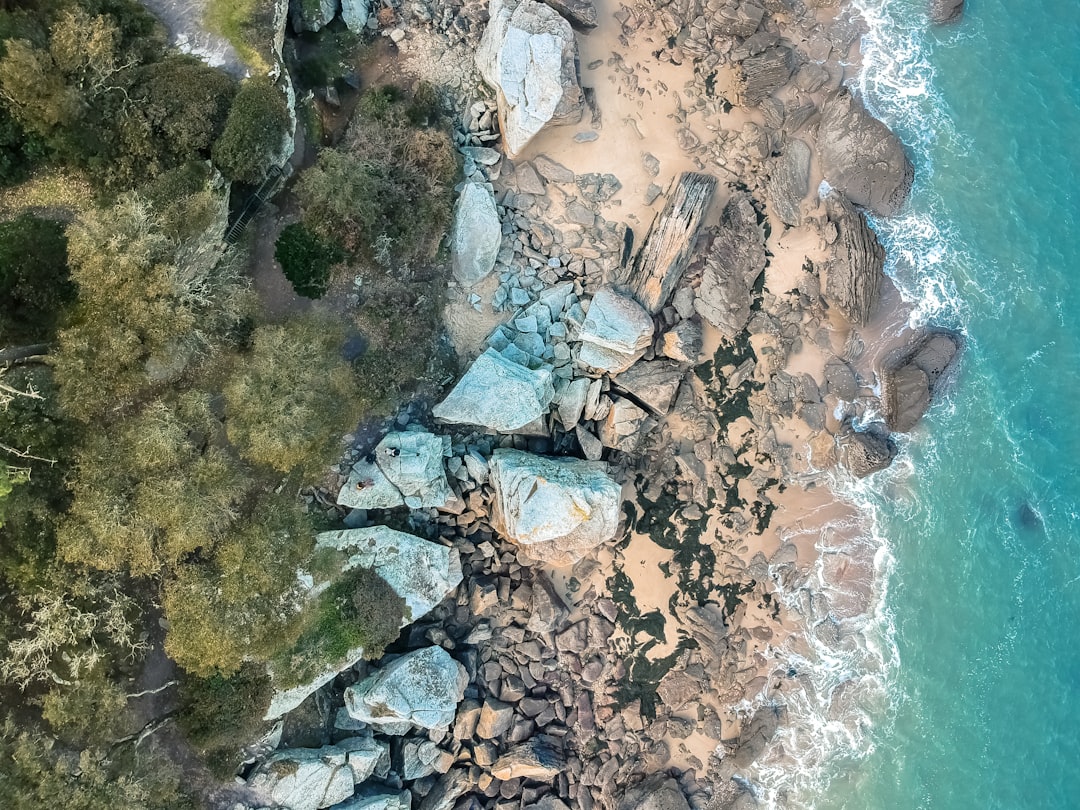
Île de Noirmoutier Travel Guide: Everything You Need to Know (2026)
Île de Noirmoutier sits just 20 meters above sea level off the Vendée coast of France, connected to the mainland by the legendary Passage du Gois causeway that floods twice daily. With a permanent population of 9,592, this 49 km² island punches well above its weight in terms of salt marshes, oyster beds, and golden beaches. French naturalist and author Jules Verne once sailed these waters, and today the island produces some of France’s most prized fleur de sel.
Top 3 Highlights at a Glance
- Passage du Gois — A 4.5 km tidal causeway that disappears under the Atlantic twice daily — one of France’s most dramatic natural phenomena.
- Château de Noirmoutier — An 8th-century fortress overlooking the old town with a dungeon, ramparts, and 360° island views.
- Plage des Dames — The island’s finest beach, 1.2 km of white sand backed by pine forest, with famously calm Atlantic waters.
Scroll down for our complete travel guide with tips on getting there, where to stay, costs and more.
Arrival & Airport
How do I get to Île de Noirmoutier?
Drive or take a bus from Nantes — the island is reachable in under 2 hours by car. The standard entry is via the Pont de Noirmoutier, a 1.8 km bridge open 24/7 from Fromentine on the mainland. My tip: time one crossing via the legendary Passage du Gois causeway instead — it’s open roughly 2 hours either side of low tide and the experience is unforgettable. I recommend checking tide tables on the official Vendée website the day before. Warning: the Gois is littered with abandoned cars from tourists who misjudged the tide — do not be one of them. There is no passenger ferry from Nantes; the island is road-access only.
Which airport is closest to Île de Noirmoutier?
Nantes Atlantique Airport (NTE) is the closest major airport, approximately 85 km northeast of Noirmoutier. In my experience, flying into NTE is the most practical option since it receives direct flights from London, Dublin, Amsterdam, and Madrid year-round. La Rochelle Airport (LRE) is a secondary option at roughly 115 km south, useful if you find a cheap Ryanair deal. From NTE, rent a car directly at the airport — the drive takes about 1 hour 20 minutes via the D948. There is no direct airport shuttle to the island, so a rental car is essentially non-negotiable unless you want to rely on seasonal bus connections from Nantes.
How long does the journey to Île de Noirmoutier take from Nantes?
From central Nantes, the drive takes approximately 1 hour 30 minutes under normal conditions. By public transport, Ligne Atlante buses operate seasonally from Nantes bus station to Noirmoutier-en-l’Île, taking around 2 hours with connections. What surprised me is how straightforward the drive is — almost entirely on fast national roads before dropping into the marshland flats of the Vendée. The honest caveat: in July and August, traffic on the bridge and through Fromentine can add 45 minutes to an hour during peak weekend arrivals. I recommend arriving on a Friday evening or Monday morning to avoid the Saturday gridlock that locals genuinely dread.
Do I need a car to get around Île de Noirmoutier?
Yes — a car is strongly recommended for full island exploration. The island is 49 km² with four communes spread across it, and the local bus service is skeletal outside summer. That said, Noirmoutier-en-l’Île town centre is perfectly walkable, and the island has an excellent 150 km cycling network making a bike a genuine alternative for the beach-hopping core itinerary. My tip: if you base yourself in the main town and only plan day trips to Plage des Dames or La Guérinière, a hired bike covers everything beautifully. Bike rental runs around €12–15 per day from shops near the port. The trade-off: for Passage du Gois or the northern dunes of La Barbâtre, you truly need a car or taxi.
City Transport
What are the best areas to stay on Île de Noirmoutier?
Noirmoutier-en-l’Île is the clear first choice — it has the château, market, best restaurants, and a charming old quarter. I recommend the streets around Place de la République for walking convenience. L’Épine is the quieter, more bucolic alternative favoured by French families who return every summer — salt marsh views, fewer tourists, and excellent cycling access. Bois de la Chaise, a pine-forested residential enclave just east of the main town, is where wealthier Parisian families own villas and the atmosphere is distinctly quieter and more refined. Avoid basing yourself in La Barbâtre near the bridge unless you have a car — it’s essentially a transit zone with limited charm and no walkable town centre.
What does accommodation cost on Île de Noirmoutier?
Expect to pay €90–€140 per night for a solid mid-range hotel room in Noirmoutier-en-l’Île outside peak season. In July–August, the same room jumps to €160–€250. The most interesting stays are privately rented cottages and fishermen’s houses — called bourrines locally — which sleep 4–6 and average €800–€1,400 per week in high summer through platforms like Gîtes de France. Camping is a genuine budget option: sites like Camping Municipal de l’Île charge around €20–€28 per night for a pitch. My honest warning: Noirmoutier is not cheap by French island standards. It has a loyal, affluent Parisian clientele that keeps prices elevated year-round compared to comparable Vendée mainland destinations.
How far in advance should I book accommodation on Île de Noirmoutier in high season?
Book 6 months ahead minimum for July and August — this is non-negotiable. In my experience, the best gîtes and character hotels in Bois de la Chaise and Noirmoutier-en-l’Île are fully reserved by January for the following summer. Parisian regulars who have holidayed here for decades hold informal priority on many rental properties. For shoulder months — June and September — 8–10 weeks in advance is usually sufficient. The honest caveat most guides skip: many island accommodation providers require a minimum 7-night Saturday-to-Saturday booking in July and August, which eliminates spontaneous short breaks entirely. If you can only do a long weekend, target May, early June, or October when flexibility returns.
Are there special or unique accommodation types on Île de Noirmoutier?
Absolutely — the island’s most characterful stays are the traditional white-walled maisons noirmoutrines, low stone cottages with hollyhocks at the gate that define the island’s postcard aesthetic. Several have been converted into chambres d’hôtes charging €110–€180 per night including breakfast. Bois de la Chaise offers a handful of Belle Époque villas in a pine forest setting that feel genuinely unlike anywhere else on the French Atlantic coast. My tip: search Clévacances Vendée directly — you’ll find locally listed properties not on Booking.com at 15–20% lower prices. What surprised me is that the island also has an excellent glamping operation near L’Épine, with canvas lodges at around €95 per night that sell out fast.
Accommodation & Neighbourhoods
What are the must-sees on Île de Noirmoutier?
Three things are non-negotiable. First, Château de Noirmoutier — an 8th-century fortress with a 12th-century dungeon and a maritime museum inside; entry costs €5.50. Second, cross the Passage du Gois on foot or by bike at low tide — the 4.5 km causeway is one of France’s most visceral natural spectacles, with stranded seaweed, cockle shells, and the Atlantic horizon on both sides. Third, spend a morning at the salt marshes of L’Épine where you can watch paludiers harvest fleur de sel by hand — several farms offer free visits in summer. My tip: add the Jardins du Daviaud ecomuseum on the mainland side for context on the Vendée wetlands. Skip the aquarium — it’s underfunded and genuinely disappointing.
What can I experience for free on Île de Noirmoutier?
More than you’d expect. Walking or cycling the Passage du Gois at low tide costs nothing and is one of France’s great free experiences. The Plage des Dames beach is public and free. The Tuesday and Friday market in Noirmoutier-en-l’Île — open from 8am–1pm — is free to browse and the best place to buy €3 bags of fleur de sel directly from producers. The Bois de la Chaise pine forest walk is a free 45-minute loop past Belle Époque villas to a secluded rocky shoreline. In my experience, simply cycling the island’s southern dike road at sunset over the salt marshes, with herons landing in the water beside you, is the best free hour Noirmoutier offers any visitor.
Which day trips are possible from Île de Noirmoutier?
Île d’Yeu is the outstanding day trip — a passenger ferry runs from Fromentine (on the mainland, 10 minutes from the bridge) taking 1 hour, costing around €35 return. Yeu is wilder, less commercial, and has no cars for hire — rent a bike at the port. On the mainland, Saint-Gilles-Croix-de-Vie is a working fishing port 45 km south worth 3 hours of your time for its tuna auction heritage and seafood restaurants. Marais Breton Vendéen — the vast coastal marshland surrounding the island — is excellent for guided kayak tours departing from Beauvoir-sur-Mer. I recommend against day-tripping to Les Sables-d’Olonne — it’s 80 km and feels like a different universe, too far to do justice in a day.
What local specialities should I try on Île de Noirmoutier?
Four things define eating on Noirmoutier. First: pommes de terre de Noirmoutier — the island’s famous early potatoes have AOC status and a nutty sweetness unlike any supermarket variety; eaten simply boiled with island butter and fleur de sel. Second: fleur de sel de Noirmoutier, harvested by hand in summer — buy it at the market for €3–€4 for 250g, a fraction of Paris prices. Third: huîtres (oysters) from Le Vieil harbour, eaten on the quayside for €8–€10 per dozen. Fourth: mogette beans in a slow-cooked stew — a Vendée staple that appears on every honest local menu. My honest warning: tourist restaurants near the château overcharge for average food — walk 5 minutes to find places where locals actually eat.
Highlights & Must-Sees
What makes Île de Noirmoutier unique compared to other French Atlantic islands?
The Passage du Gois alone sets it apart — no other inhabited French island has a tidal road that vanishes under the sea twice daily. But beyond the spectacle, Noirmoutier has an almost aggressively preserved local identity: the salt farming tradition dates back to the 7th century, the AOC potato is taken as seriously as wine, and the architecture — white walls, blue shutters, hollyhocks — is protected by a strict island charter. What surprised me most is the complete absence of high-rise development despite decades of tourism pressure. The island has 9,592 permanent residents who live year-round on fishing and agriculture, giving it an authenticity that Île de Ré — its more famous, more commercialised neighbour — has almost entirely lost.
How many days are worthwhile on Île de Noirmoutier?
3 full days is the sweet spot for a thorough visit. Day 1: explore Noirmoutier-en-l’Île on foot — château, market, old port, aperitif in the square. Day 2: cycle the island’s southern circuit — L’Épine salt marshes, Plage des Dames, and the Bois de la Chaise forest at sunset. Day 3: time a Passage du Gois crossing at low tide, then drive the northern dunes of La Barbâtre. A 5-day stay makes sense if you add the Île d’Yeu day trip and want slower beach days. I’d avoid staying beyond 7 days unless you’re renting a villa — the island is genuinely small and you will exhaust the sights. A single day trip from Nantes works too, but you’ll feel rushed and won’t see the marshes properly.
When is the best time to visit Île de Noirmoutier?
June and August are the optimal months based on climate data. June offers warm, dry days with far fewer crowds than July–August peak — markets are full, beaches are swimmable, and you can book a restaurant without a reservation. August delivers peak Atlantic sunshine and the full island atmosphere, but with Parisian crowds and premium prices. My honest recommendation: mid-June to late June is the single best window — long days, 20°C+ temperatures, beaches without the crush, and prices still at shoulder levels. Avoid July school holiday weekends when the bridge queues stretch 8 km onto the mainland and parking in town is genuinely impossible. September is underrated — sea temperature peaks, French families leave, and prices drop 30% overnight.
What are the local festivals on Île de Noirmoutier worth attending?
La Fête de la Mer in mid-July is the island’s biggest celebration — a blessing of the fleet ceremony at Le Vieil harbour followed by a night market and live music that runs until well past midnight. The Passage du Gois Race (La Traversée du Gois) happens in June, when hundreds of runners race the 4.5 km tidal causeway against the incoming tide — it’s completely free to watch from the Vendée shore and genuinely electrifying. The Marché Nocturne operates every Wednesday evening in Noirmoutier-en-l’Île during July and August from 6pm–11pm, combining local producers, craftspeople, and street food. My tip: the potato harvest festival in L’Épine in late May is small but gives you direct access to paludiers and farmers that summer visitors never encounter.
Food & Drink
How does weather affect activities on Île de Noirmoutier throughout the year?
The island’s 20-meter maximum elevation means Atlantic winds hit every corner — in winter, westerly gales make outdoor activities unpleasant from November through March. Sea swimming is realistic from mid-June through September when water temperatures reach 19–22°C. The salt harvest only runs July to September — outside this window, the marshes are flooded and inaccessible. Cycling is excellent from April to October except during July–August heat peaks around midday. What surprised me: the island receives noticeably more sunshine than mainland Vendée due to its offshore position, giving it a micro-climate that keeps spring and autumn more pleasant than you’d expect. The honest caveat: Atlantic summer storms can arrive without warning and last 2–3 days, which is why I always book accommodation with an indoor common space.
How crowded does Île de Noirmoutier get in peak season?
Extremely crowded by French island standards. In July and August, the island’s permanent population of 9,592 swells to an estimated 120,000 visitors, creating a 12:1 ratio that strains every road, restaurant, and beach. Plage des Dames becomes standing-room-only by 10am on sunny July weekends. The bridge from Fromentine sees traffic jams forming before 9am on Saturday mornings. My honest warning: Noirmoutier in peak July is beautiful but genuinely stressful if you’re trying to move around — parking is nearly impossible in town and restaurant waits run to 90 minutes without a reservation. The good news: even in August, you can escape the crowds by arriving at Passage du Gois at 6am or cycling to the northern beaches of La Barbâtre on weekday mornings when families are still sleeping.
How safe is Île de Noirmoutier?
Extremely safe — it is one of the most tranquil destinations in France. Petty crime is rare in a community of 9,592 permanent residents where everyone knows each other. The only genuine safety concern is the Passage du Gois: the tidal causeway floods rapidly and warning signs are not always visible. In my experience, at least 3–4 vehicles per summer get caught by the tide — the rescue posts with climbing platforms exist because this happens regularly. My tip: always check the tide table at maree.info the morning of your crossing and give yourself a buffer of at least 90 minutes before the tide turns. Water safety on beaches is also worth noting — Plage des Dames has lifeguards in July–August but other beaches do not, and Atlantic rip currents exist.
Is English widely spoken on Île de Noirmoutier?
French is the default and almost universal language here — this is not a cosmopolitan tourist hub. English is spoken at most hotels and a handful of restaurants in Noirmoutier-en-l’Île, but market vendors, salt farmers, and local shopkeepers operate entirely in French. In my experience, a basic French vocabulary goes a long way here — islanders respond warmly to any effort, even broken attempts. My tip: download Google Translate with French offline pack before you arrive since data coverage in the marshes and northern beaches is patchy. The honest trade-off: if you speak zero French, you won’t be turned away, but you’ll miss significant depth — the most interesting producers, the Saturday market gossip, the evening conversations that reveal what the island actually is.
Practical Tips
What is the daily budget for visiting Île de Noirmoutier?
Budget travellers camping and self-catering can manage on €50–€70 per day. A realistic mid-range day — café breakfast, bike hire, oyster lunch at the port, dinner at a bistro with wine — runs €110–€140 per person. Staying in a characterful hotel and eating well at places like L’Île aux Saveurs in the main town will push you to €180–€220 per person per day in high season. The hidden cost most guides skip: everything on the island carries a small premium over mainland Vendée prices — even supermarket basics at Super U in Noirmoutier-en-l’Île run 8–12% higher than the same products in Nantes. I recommend self-catering breakfasts and lunches using market produce, then spending the budget on one excellent dinner rather than two mediocre ones.
What public transport options exist on Île de Noirmoutier?
Public transport on the island is limited and primarily seasonal. Ligne 16 of the Vendée bus network connects Nantes to Noirmoutier-en-l’Île with 3–4 departures daily in summer, taking around 2 hours for approximately €10 each way. Within the island, a small local bus circuit operates in July and August only, connecting the four communes — it runs every 90 minutes and costs €1.50 per journey. Outside summer, internal island buses essentially stop. My honest assessment: public transport is adequate for getting onto the island without a car, but once there, you need a rented bike (€12–15/day) or a taxi to reach beaches and the Passage du Gois. Taxis are available but expensive — a cross-island trip costs €18–€25.
Which apps do you recommend for visiting Île de Noirmoutier?
Five apps earn their place on your phone. Maree.info (browser-based, no app needed) is essential for real-time Passage du Gois tide tables — open it every morning you plan to cross. Komoot has excellent pre-loaded cycling routes for the island, including the salt marsh circuit and the Bois de la Chaise loop. Google Maps works well in town but loses signal in marsh areas — download the Vendée offline map before arriving. La Fourchette (TheFork) is critical for restaurant reservations in July–August — I recommend booking dinner 3–5 days ahead minimum in peak season. Finally, Météo-France gives the most accurate Atlantic coastal forecasts — important for beach days and Gois crossings. Skip Tripadvisor for restaurant recommendations — most top-rated places here cater to package tourists, not to the best local food.
More Destinations in Europe
Explore our complete travel guides for more Europe destinations: Normandie Travel Guide (2026), Toulouse Travel Guide (2026), Paris und Île-de-France Travel Guide (2026), Besançon Travel Guide (2026), Orléans Travel Guide (2026).
Île de Noirmoutier at a Glance
| Population | 9,592 |
|---|---|
| Currency | EUR (€) |
| Official language | French |
| Time zone | UTC+01:00 |
Source: Wikidata, retrieved August 2026.
Useful Resources for Planning Your Trip to Île de Noirmoutier
- Wikipedia: Île de Noirmoutier — history, geography and background
- Lonely Planet: Île de Noirmoutier — itineraries and travel inspiration
- TripAdvisor: Île de Noirmoutier — hotels, restaurants and traveller reviews
🎥 Île de Noirmoutier Travel Videos
OUR VISIT TO l’ ÎLE DE NOIRMOUTIER.- THE VENDÉE : FRANCE VAN TRIP- JUNE ’24.
Campervan Capers
Noirmoutier- the secret French hidden gem island.
Earlyretirementwanderlust
Exploring the Île de Noirmoutier HD 1080p
Vintage Vantics
You are currently viewing a placeholder content from Vimeo. To access the actual content, click the button below. Please note that doing so will share data with third-party providers.
More InformationYou are currently viewing a placeholder content from YouTube. To access the actual content, click the button below. Please note that doing so will share data with third-party providers.
More InformationYou need to load content from reCAPTCHA to submit the form. Please note that doing so will share data with third-party providers.
More InformationYou are currently viewing a placeholder content from GetYourGuide. To access the actual content, click the button below. Please note that doing so will share data with third-party providers.
More Information