
Île d’Yeu: The Complete Travel Guide (2026)
Last reviewed: October 2026 · key facts checked against Wikidata
Île d’Yeu Travel Guide: Everything You Need to Know (2026)
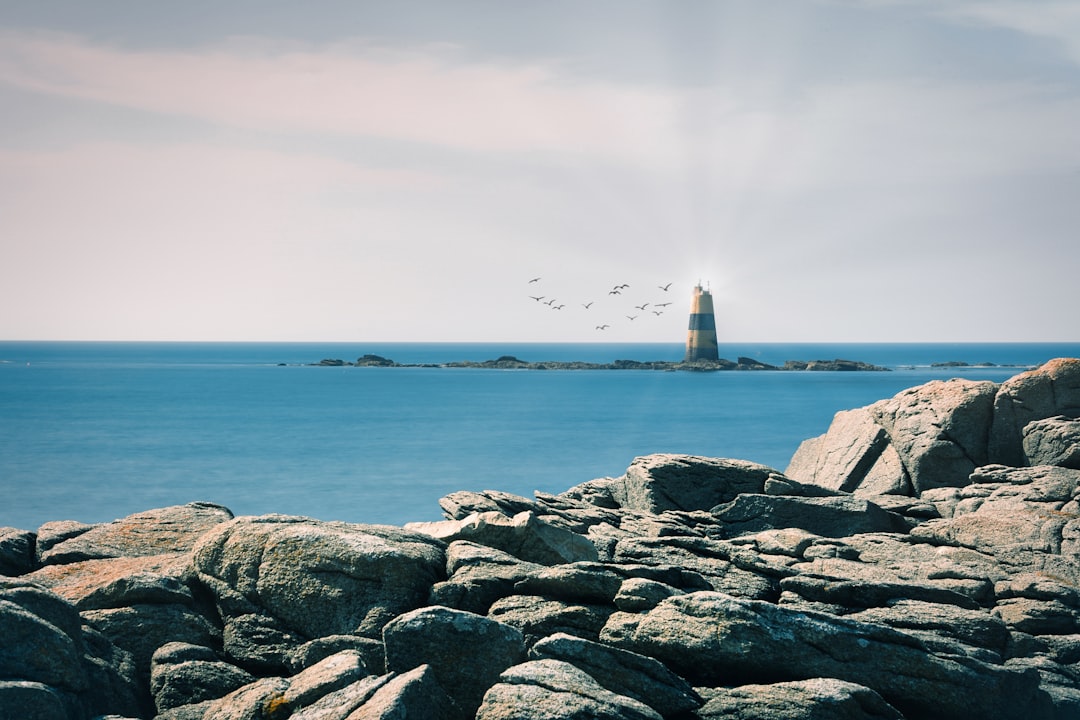
Île d’Yeu is a compact island commune off the Vendée coast of western France, home to just 5,001 permanent residents and sitting at only 27 metres above sea level. The island spans roughly 23 km² and is famous for its split personality: the northern harbour of Port-Joinville bustles with tuna fishing boats, while the granite-studded southern coast around Port de la Meule feels like a different world entirely. Getting here requires a ferry from the mainland, which keeps Île d’Yeu gloriously free of the mass-tourism infrastructure that plagues larger French island destinations.
Top 3 Highlights at a Glance
- Port de la Meule — A dramatic granite inlet on the southern coast where lobster fishermen still haul their catch daily — unlike anything on the northern shore.
- Vieux Château — A 14th-century clifftop fortress ruin with unobstructed Atlantic views stretching over 30 km on clear days.
- Port-Joinville Fish Market — One of France’s last active small-harbour tuna markets, where live auctions happen dockside in peak summer mornings.
Scroll down for our complete travel guide with tips on getting there, where to stay, costs and more.
Arrival & Airport
How do I get to Île d’Yeu from the French mainland?
You reach Île d’Yeu exclusively by ferry — there is no bridge or airport on the island. Compagnie Yeu Continent operates year-round crossings from Fromentine (near Noirmoutier), with the crossing taking around 1 hour. Seasonal departures also run from Saint-Gilles-Croix-de-Vie and Noirmoutier. In my experience, Fromentine is the most reliable and frequent option. A return adult ferry ticket runs €30–€45 depending on season and operator. The caveat most guides skip: summer crossings sell out weeks in advance, and the sea can turn rough in autumn, occasionally cancelling sailings entirely.
Which airport is closest to Île d’Yeu?
Nantes Atlantique Airport (NTE) is the closest major airport, roughly 100 km northeast of the Fromentine ferry terminal. From NTE, take the train to Nantes Saint-Nazaire, then a regional bus or taxi to Fromentine — total transfer time is approximately 2.5 hours. My tip: flying into La Rochelle Airport (LRE), about 120 km south, can be cheaper from the UK on budget carriers like Ryanair, though the ground transfer is slightly more complex. What surprised me is how few travellers factor in the land transfer cost — budget an extra €40–€60 for getting to the ferry port.
How long does the journey to Île d’Yeu take from Paris?
Door-to-island, expect 4 to 5 hours total from Paris. The TGV from Paris Montparnasse to Nantes takes 2 hours 10 minutes. From Nantes, a regional bus or car to Fromentine adds 1 hour, and the ferry crossing itself is 1 hour. I recommend the TGV plus a pre-booked taxi to Fromentine for the smoothest experience — shared buses run infrequently. The hidden caveat: ferry timing rarely aligns perfectly with train arrivals, so you’ll often wait 30–60 minutes at the port. Factor this into your schedule rather than rushing a tight connection.
Do I need a car on Île d’Yeu?
No — and bringing a car is actively discouraged and expensive. Vehicle ferry surcharges add €80–€150 return, and the island is only 11 km long. In my experience, the island is best explored by bicycle, which you can hire near Port-Joinville for €10–€15 per day. Electric bike rental is also widely available for the hillier southern coast roads. The honest warning: the island’s road network is narrow and shared with cyclists, so driving actually slows you down. For families with young children or limited mobility, hiring an electric cart locally for €50–€70 per day is the practical alternative.
City Transport
What are the best areas to stay on Île d’Yeu?
Port-Joinville is the island’s only real town and the best base — all ferry arrivals land here, restaurants and bakeries are walkable, and the evening fish-market atmosphere is genuinely local. For something quieter, the hamlet of Saint-Sauveur in the island’s centre offers gîtes surrounded by woodland, about 3 km from the port. The southern coastal edge near Port de la Meule has a handful of rental cottages with dramatic granite views but zero amenities within walking distance. My tip: first-timers should stay in Port-Joinville and use a bicycle to reach the south — it’s only 6 km door to door.
What does accommodation cost per night on Île d’Yeu?
A solid mid-range hotel room in Port-Joinville costs €90–€140 per night in peak summer. The island’s most comfortable option, Hôtel L’Escale, charges around €110–€150 for a double in July. Self-catering gîtes and holiday cottages average €600–€1,100 per week in high season, which works out cheaper per night if you stay at least 5 days. Budget travellers can find rooms above local restaurants or in simpler B&Bs for €65–€80. The caveat: Île d’Yeu has almost no hostel infrastructure, so backpacker-style budgets genuinely don’t apply here the way they do on the mainland.
How far in advance should I book accommodation on Île d’Yeu in high season?
Book 3 to 4 months ahead for July and August — this is not a guidebook exaggeration. With only 5,001 permanent residents and a tiny accommodation stock, the island fills completely by late April for peak summer weeks. I recommend booking ferry tickets at the same time, as Compagnie Yeu Continent crossings sell out independently of accommodation. The shoulder months of June and September typically require 4–6 weeks advance notice. What most guides omit: even mid-week dates in August are fully booked by professional French families who return to the same gîte every year — last-minute availability in summer is essentially zero.
Are there special or unusual accommodation types on Île d’Yeu?
Yes — converted fishermen’s cottages in Port-Joinville’s old quarter are the island’s most distinctive stay, with stone walls, low ceilings, and direct harbour views. Several are listed on Airbnb and Abritel and rent for €80–€130 per night. A handful of chambres d’hôtes (French B&Bs) operate in the island’s interior near Saint-Sauveur, offering table d’hôte dinners using local lobster and tuna for an extra €25–€35 per person. What surprised me: there’s no luxury resort or spa hotel on the island — Île d’Yeu deliberately maintains a low-key, non-commercial character, which is exactly why the French return annually.
Accommodation & Neighbourhoods
What are the must-see sights on Île d’Yeu?
Three sights are genuinely non-negotiable. First, the Vieux Château, a 14th-century fortress ruin on the western cliff — entry is free and the Atlantic panorama is exceptional. Second, Port de la Meule, the southern granite harbour where lobster boats dock in a rocky cove that looks almost Breton. Third, the Côte Sauvage, the wild western coastline featuring wave-carved rock formations along a 7 km coastal walking path. My tip: do the Côte Sauvage walk at low tide — tidal pools reveal sea anemones, crabs, and occasionally octopus. The single most underrated stop is the Dolmen des Guérites, a Neolithic burial site in the island’s interior that almost nobody visits.
What can I experience for free on Île d’Yeu?
Genuinely quite a lot. The Vieux Château ruins have no entry fee and are open year-round. The entire Côte Sauvage coastal path is free to walk. Port-Joinville’s morning fish market on the quayside costs nothing to watch and runs daily in summer from around 7:00–9:00. The Plage des Vieilles and Plage de la Source are free public beaches with no lounger charges — unlike many French Riviera equivalents. The island’s cycling paths are free once you’ve rented a bike. What surprised me: the island has no admission-charging museums worth paying for, meaning most of the best experiences here genuinely cost nothing beyond your ferry ticket.
Which day trips are possible from Île d’Yeu?
Day trips off the island are technically possible but logistically awkward given ferry schedules. The more rewarding approach is treating nearby Noirmoutier Island as a companion trip — it’s reachable from the same Fromentine ferry terminal and pairs well with Île d’Yeu in a 5–7 day Vendée itinerary. On the mainland side, Saint-Jean-de-Monts (30 km from Fromentine) has a long sandy beach worth a half-day. My honest advice: don’t treat Île d’Yeu as a day trip base — the island itself deserves 3 full days minimum, and spending time on day trips means missing its best late-evening harbour atmosphere, which is when the island truly comes alive.
What are the local specialities I should eat on Île d’Yeu?
Thon germon (albacore tuna) is the island’s signature ingredient — grilled, tartared, or pressed into rillettes that you’ll find in every Port-Joinville restaurant. Homard (lobster) from Port de la Meule is served simply with butter and lemon at €35–€55 per portion in season. Don’t skip mogettes, the local white Vendée beans often served alongside seafood. For something cheap and local, sardine rillettes on sourdough from the port-side market stalls costs under €5. My tip: avoid the tourist-facing brasseries on the main quay — walk two streets back to find family-run restaurants where a full tuna-and-lobster menu costs €28–€38 rather than €50+.
Highlights & Must-Sees
What makes Île d’Yeu unique compared to other French islands?
Île d’Yeu is the only French Atlantic island that has deliberately resisted large-scale tourism development while maintaining a fully functioning fishing economy. The tuna and lobster fleets still operate commercially — this isn’t performance fishing for tourists. The island also has an extraordinary geological split: the northern coast is sandy and gentle, while the southern coast is ancient Breton-style granite, the only such formation this far south on the French Atlantic. What surprised me: the island briefly held Marshal Pétain as a prisoner after WWII at the Citadelle de Pierre-Levée — a chapter of French history that gives the island unexpected historical weight beyond its postcard scenery.
How many days are worthwhile on Île d’Yeu?
3 full days is the sweet spot — enough time to cycle the entire coastline, explore both harbours, walk the Côte Sauvage properly, and eat well without feeling rushed. 2 days works if you’re combining Île d’Yeu with a broader Vendée road trip. I don’t recommend a single-day visit — the ferry crossing takes 1 hour each way and you’d spend more time in transit than on the island. For families with children or dedicated cyclists wanting to cover every trail, 4–5 days is comfortable. The honest caveat: after 5 days, the island’s small size becomes apparent — there are no new restaurants to discover, and the pace can feel slow for travellers used to urban stimulation.
When is the best time to visit Île d’Yeu?
June, July, and August offer the best conditions based on climate analysis — warmest temperatures, calmest Atlantic seas, and the fishing fleet at full activity. My personal preference is mid-June or early September: the ferry is bookable without a 3-month lead time, accommodation prices drop by 20–30%, and Port-Joinville has its local character back after the peak August crowds thin out. What most guides omit: May is genuinely underrated — the island is green, the Côte Sauvage wildflowers are blooming, temperatures reach 17–19°C, and you’ll share the coastal path with almost nobody. Winter is quiet but atmospheric if you want the island to yourself.
Are there local festivals on Île d’Yeu worth attending?
La Fête de la Mer (Festival of the Sea) in July is the island’s centrepiece annual event, celebrating the fishing heritage with boat parades, quayside tastings of fresh tuna, and evening concerts in Port-Joinville. Exact dates shift annually so check with the Office de Tourisme de l’Île d’Yeu directly. The Bastille Day celebrations on 14 July are genuinely lively here given the island’s tight-knit community — fireworks over the harbour are spectacular from the quay. My tip: the Marché Nocturne (night market) runs every Wednesday evening in July and August near the port, mixing local food stalls, artisan crafts, and live music — free entry and a better representation of island life than any restaurant.
Food & Drink
How does weather affect activities on Île d’Yeu throughout the year?
Atlantic weather dominates, and wind is the defining factor more than rain. Summer months deliver 20–25°C with Atlantic breezes that make cycling comfortable but can make the Côte Sauvage walking path feel exposed. The sea temperature reaches a swimmable 19–21°C only in July and August. Spring and autumn bring sudden squalls that can cancel ferry crossings with 2–3 hours’ notice — I’ve been stranded an extra night due to swell. Winter crossings are the most unreliable, with cancellations common in December and January. The practical rule: always book a flexible return ferry ticket rather than a fixed-time ticket if visiting outside June–August, as weather delays are genuinely unpredictable.
How crowded does Île d’Yeu get in peak season?
August is genuinely crowded by the island’s standards — Port-Joinville’s narrow streets fill with French family holidaymakers, restaurant queues form by 12:30, and the popular beaches like Plage des Vieilles lose their calm. However, ‘crowded’ here means busy French-town busy, not Santorini-or-Mykonos busy — the island caps visitor numbers naturally through limited ferry capacity. What surprised me: even in peak August, cycling 3 km south toward Port de la Meule puts you in near-total solitude. The honest trade-off: peak season brings the full fishing fleet, the night market, and all restaurants open — visiting in shoulder season means quieter but also fewer dining choices, as several establishments close before June and after September.
How safe is Île d’Yeu for travellers?
Île d’Yeu is exceptionally safe — petty crime is effectively absent in a community of 5,001 people where everyone knows each other. Leaving a bicycle unlocked in Port-Joinville is standard practice among locals. The genuine safety risks are environmental: the Côte Sauvage clifftop paths have unfenced drops, and Atlantic waves can surge onto rocks without warning — 3 people are rescued annually from the southern coastline. Swimming at non-lifeguarded beaches carries real rip-current risk, especially on the western exposure. My tip: check the flag system at Plage des Vieilles before swimming — red flags are posted for a reason, and the Atlantic current here is stronger than it looks from shore.
Is English widely spoken on Île d’Yeu?
French is the working language on the island — English proficiency is limited. Port-Joinville’s hotel front desks and a few tourist-facing restaurants manage basic English, but market vendors, fishermen, and gîte owners predominantly operate in French. This is not a problem if you have even intermediate French — islanders are patient and warm with visitors making an effort. My tip: download Google Translate with offline French before arriving, as mobile data can be patchy near the southern coast. What most guides omit: the island’s dialect includes some Vendéen patois expressions you won’t recognise from standard French — don’t be alarmed if the fish market banter sounds unfamiliar even to fluent French speakers.
Practical Tips
What is the daily budget for visiting Île d’Yeu?
A realistic mid-range daily budget is €80–€120 per person, excluding accommodation. Breakfast at a Port-Joinville bakery costs €5–€8, a sit-down lunch €18–€28, and a full dinner with wine €35–€55. Bicycle hire adds €12–€15. Budget travellers self-catering from the local market can manage €40–€50 per day. The unavoidable cost most guides skip: the return ferry ticket (€30–€45) and land transport to Fromentine should be factored into your total trip budget, not hidden as a separate travel cost. A 5-day trip for two staying in a mid-range gîte, eating well, and cycling daily realistically costs €1,200–€1,600 all-in excluding flights to France.
How does public transport work on Île d’Yeu itself?
There is no conventional public bus network on the island — bicycle and electric bike are the primary transport modes for visitors. A mini tourist train operates in July and August, connecting Port-Joinville to key coastal points for approximately €8 per adult per circuit. Taxis exist but are limited to 3–4 operators on the whole island — book in advance via the Office de Tourisme number if you have mobility requirements. Electric cart hire near the ferry terminal fills the gap for families. My honest assessment: the absence of a bus network is a feature, not a bug — the island is sized perfectly for cycling, and every main sight is reachable by bicycle within 20–30 minutes from Port-Joinville.
Which apps do you recommend for visiting Île d’Yeu?
Compagnie Yeu Continent’s direct website (not an app, but mobile-optimised) is essential for ferry booking and real-time crossing status — no third-party booking app beats it for cancellation alerts. Komoot is my top recommendation for cycling route planning on the island — the Côte Sauvage circuit is pre-loaded with GPX data and accurate elevation profiles. Windy is critical for checking Atlantic swell forecasts before booking a flexible return ferry. Google Maps works for Port-Joinville streets but has gaps on southern coastal tracks — download Maps.me offline as a backup. For dining, skip TripAdvisor and use La Fourchette (TheFork) for the handful of reservable restaurants, as walk-in availability disappears fast in July and August.
How safe is it to swim and engage in outdoor activities on Île d’Yeu?
Swimming is safe at designated beaches with lifeguard supervision between mid-June and early September, specifically at Plage des Vieilles and Grande Plage. The supervised hours are typically 10:00–19:00 — outside these hours, the Atlantic undertow is a genuine risk. Cycling the island is safe on dedicated paths but road-sharing near Port-Joinville requires attention during August when traffic peaks. Rock-pool exploration on the Côte Sauvage is excellent but requires non-slip footwear — granite slabs become lethal when wet. My warning: the cliffs near the Vieux Château have no guardrails, and maritime weather can change within 30 minutes — always tell your accommodation if you’re doing a solo coastal walk.
More Destinations in Europe
Explore our complete travel guides for more Europe destinations: Île dOléron Travel Guide (2026), Florence Travel Guide (2026), Cannes Travel Guide (2026), Huesca Travel Guide (2026), Chartres Travel Guide (2026).
Île d’Yeu at a Glance
| Currency | EUR (€) |
|---|---|
| Official language | French |
| Time zone | UTC+01:00 |
Source: Wikidata, retrieved October 2026.
Useful Resources for Planning Your Trip to Île dYeu
- Wikipedia: Île dYeu — history, geography and background
- Lonely Planet: Île dYeu — itineraries and travel inspiration
- TripAdvisor: Île dYeu — hotels, restaurants and traveller reviews
🎥 Île d’Yeu Travel Videos
Noirmoutier, Ile d’Yeu, Ile de Ré why these 3 France islands …
Stephanie Bonnet (From the Poolside)
You are currently viewing a placeholder content from Vimeo. To access the actual content, click the button below. Please note that doing so will share data with third-party providers.
More InformationYou are currently viewing a placeholder content from YouTube. To access the actual content, click the button below. Please note that doing so will share data with third-party providers.
More InformationYou need to load content from reCAPTCHA to submit the form. Please note that doing so will share data with third-party providers.
More InformationYou are currently viewing a placeholder content from GetYourGuide. To access the actual content, click the button below. Please note that doing so will share data with third-party providers.
More Information