
Ourense: The Complete Travel Guide (2026)
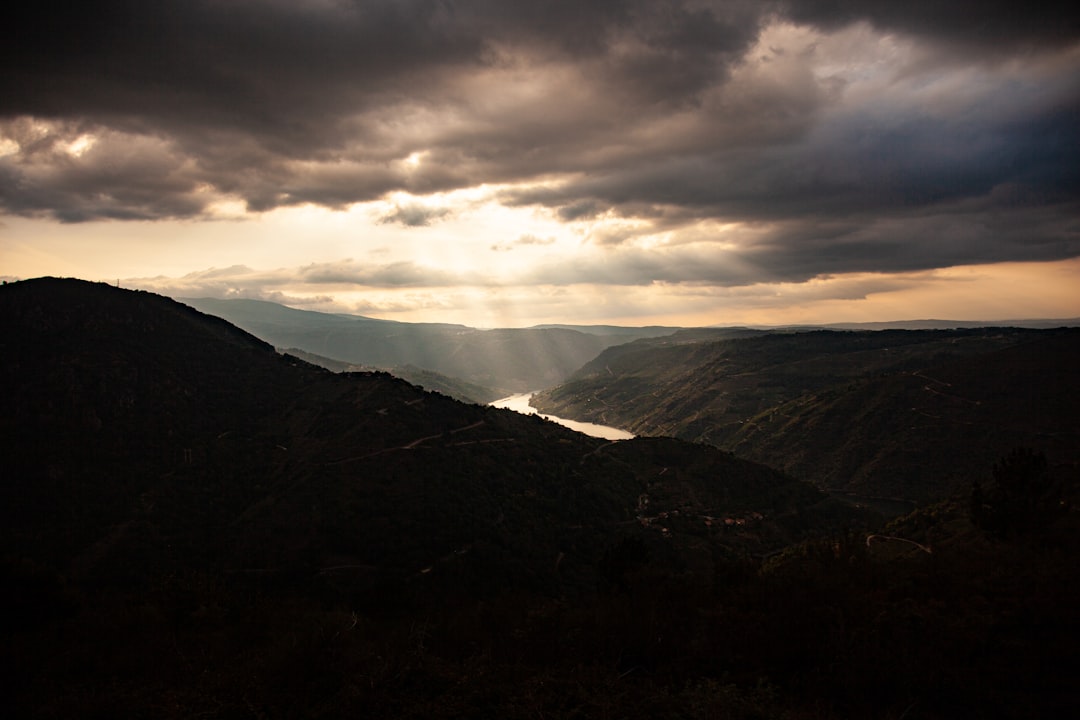
Last reviewed: October 2026 · key facts checked against Wikidata
Ourense Travel Guide: Everything You Need to Know (2026)
Ourense, the capital of Galicia’s inland province, sits at 145 metres above sea level on the Miño River and is home to 107,542 residents — making it Spain’s thermal spring capital, with water bubbling up at over 65°C right in the city centre. Founded on Roman hot springs called Las Burgas, it rivals any Spanish spa destination yet remains almost entirely off the international tourist radar. The city sits on the Camino Sanabrés, one of the most dramatic and least-walked routes to Santiago de Compostela.
Top 3 Highlights at a Glance
- Las Burgas Hot Springs — Free open-air thermal pools in the city centre where water reaches 65°C — unique in any European capital city.
- Ponte Vella (Old Bridge) — Medieval Roman-origin bridge spanning the Miño River, offering the most photogenic view in Ourense at sunset.
- Ourense Cathedral — 12th-century Romanesque cathedral housing a stunning Pórtico do Paraíso, modelled directly on Santiago’s famous Pórtico da Gloria.
Scroll down for our complete travel guide with tips on getting there, where to stay, costs and more.
Arrival & Airport
How do I get to Ourense by train, bus, or car?
The fastest option is the high-speed AVE train from Madrid, taking under 2 hours and costing from €20 one-way booked in advance. In my experience, this is by far the most comfortable arrival. From Santiago de Compostela, regional trains run in around 35 minutes for roughly €7. Buses from Vigo take 1 hour 15 minutes and cost €8-10 with ALSA. By car from Madrid via the A-6/AP-53, it’s roughly 490 km. What most guides omit: the bus station and train station are on opposite sides of the city — factor in a taxi between them if you’re connecting.
Which airport is closest to Ourense?
Vigo Airport (VGO) is the closest at approximately 100 km, around 1 hour 15 minutes by car or bus transfer. Santiago de Compostela Airport (SCQ) is slightly farther at 110 km but offers far more international connections, including direct routes from London, Frankfurt, and Dublin. My tip: fly into Santiago and catch the 35-minute AVE train directly into Ourense — it’s seamless and costs around €7. The honest caveat most travellers miss: neither airport offers a direct public bus to Ourense, so you’ll need to connect via the city centre or rent a car at the airport.
How long does the journey to Ourense take from major Spanish cities?
From Madrid by AVE: under 2 hours. From Vigo by regional train: 45 minutes. From Santiago de Compostela: 35 minutes by high-speed rail. From Barcelona, expect a 5-6 hour journey with a connection in Madrid. What surprised me is how well-connected Ourense is despite its small-city feel — the Ourense station (Empalme) is a genuine high-speed hub, not just a regional stop. The trade-off: the station sits 3 km from the historic centre, so budget €8-10 for a taxi or use the local bus line 12 to reach Praza Maior.
Do I need a rental car to explore Ourense?
No — the historic centre of Ourense is entirely walkable within 30 minutes on foot. I recommend skipping the car entirely if you’re staying in the city. However, if you plan to visit the Ribeira Sacra wine region (30 km east), the Termas de Laias spa (20 km south), or hiking the Cañón do Sil, a rental car becomes essential — public transport to these areas is infrequent or non-existent. Rental cars cost from €25/day at Vigo or Santiago airports. The honest warning: parking in Ourense’s old town is a genuine headache, with most central streets being pedestrianised.
City Transport
Which are the best areas to stay in Ourense?
Stay in the Casco Histórico (Old Town) for immediate access to Las Burgas, the cathedral, and the best tapas bars on Rúa do Vilar and Rúa da Paz. The Barrio do Progreso neighbourhood, centred on Praza Maior, is slightly more modern and where most mid-range hotels cluster. I recommend the Casco Histórico for first-time visitors — you can walk to everything in under 15 minutes. The trade-off: old-town accommodation sits on narrow, sometimes noisy streets during weekend nights. Avoid hotels near the train station unless you have an early departure — it’s a dull, disconnected area with nothing walking distance.
What does accommodation cost per night in Ourense?
Ourense is exceptional value by Spanish city standards. Budget hostels and guesthouses in the old town run €25-40/night. A solid 3-star hotel in the Casco Histórico costs €55-80/night. The best 4-star option, Hotel NH Ourense, typically runs €90-120/night. Apartments on platforms like Airbnb average €50-70/night for a one-bedroom. In my experience, you get far more for your money here than in Santiago or Vigo at similar price points. The honest caveat: Ourense has a limited luxury hotel stock — if you want 5-star, you’re out of luck and must look 30+ km outside the city.
How far in advance should I book accommodation in Ourense during high season?
For July and August, book at least 6-8 weeks ahead — the city fills with Spanish domestic tourists escaping coastal crowds, and the limited hotel stock means quality rooms disappear fast. During the Entroido (Carnival) in February, the city draws massive crowds from across Galicia; book 3-4 months ahead for that period. For shoulder season visits in May, June, or September, 2 weeks’ notice is usually sufficient. What most guides omit: Ourense hosts the Festival do Viño do Ribeiro in late April, which sells out guesthouses across the old town almost instantly — check the exact date and book accordingly.
Are there special or unique accommodation types in Ourense?
The most distinctive option is staying in a Casa Rural (rural guesthouse) on the outskirts, several of which overlook the Miño valley vineyards and include private thermal spring access. In the city itself, some boutique guesthouses in the Casco Histórico occupy converted 17th-century stone townhouses — Casa Aloia and similar small properties offer this experience from €60-70/night. For pilgrims on the Camino Sanabrés, the Albergue de Peregrinos offers dormitory beds for €8-12/night. My tip: the pilgrim hostels are open to any traveller, not just Camino walkers, and deliver the most authentic local social atmosphere in the city.
Accommodation & Neighbourhoods
What are the absolute must-sees in Ourense?
Three things I would never skip: Las Burgas hot springs in the old town — free, surreal, and unlike anything else in Spain; Ourense Cathedral with its Pórtico do Paraíso, which rivals Santiago’s famous portal and sees a fraction of the crowds; and the Ponte Vella, the medieval bridge over the Miño with Roman foundations dating to the 1st century. Beyond these, the Museo Arqueolóxico Provincial houses remarkable pre-Roman and Celtic (castros) artefacts for free on Sundays. What surprised me: the city’s Roman thermal baths infrastructure runs directly under the modern streets — walking the old town you’re literally above 2,000-year-old engineering.
What can I experience for free in Ourense?
Ourense punches above its weight for free experiences. Las Burgas thermal pools are completely free and open daily. The Casco Histórico itself is a free walking museum — the cathedral exterior, Ponte Vella, and Praza do Ferro cost nothing to explore. The Museo Arqueolóxico Provincial is free on Sundays and costs only €1.20 on other days. The Parque de San Lázaro is a beautiful riverside park perfect for a free afternoon. My tip: the tapas culture in Ourense is exceptional — bars on Rúa do Vilar serve free tapas with every drink, effectively making lunch near-free if you order two or three beers at €1.50-2 each.
Which day trips from Ourense are most worth it?
The Ribeira Sacra wine region is the standout — 30 km east, with dramatic canyon vineyards, Romanesque monasteries, and boat trips through the Cañón do Sil. Allow a full day and rent a car; no practical public bus serves the canyon. Santiago de Compostela is just 35 minutes by AVE (€7) and easily done as a day trip. The Termas de Laias, a large open-air thermal spa complex on the Miño River (20 km south), is perfect for a half-day. I recommend the Ribeira Sacra most strongly — it’s one of the most visually stunning wine regions in Spain and barely known outside Galicia.
What local specialities should I eat and drink in Ourense?
Ourense is in the heart of Ribeiro wine country — the local white Ribeiro (typically a Treixadura-Lado blend, served in ceramic bowls called cunca) is the essential drink. Food-wise, order pulpo á feira (octopus with paprika and olive oil), lacón con grelos (cured pork with turnip greens), and filloas (Galician crêpes). The free tapas system is hyperlocal — Ourense bars routinely serve better free tapas than most Spanish cities charge for pintxos. My honest warning: the best pulpo is at the Praza do Ferro market stalls on market days, not in tourist-facing restaurants where portions shrink and prices jump by 40%.
Highlights & Must-Sees
What makes Ourense genuinely unique compared to other Spanish cities?
Three things set Ourense completely apart: First, thermal springs at 65°C erupt freely in the city centre — you can soak in free public pools right next to a medieval cathedral, which happens nowhere else in Spain. Second, the city is one of the few places in Europe where the free tapas culture is still genuinely generous — a €2 drink routinely comes with a substantial free dish. Third, Ourense sits on the Camino Sanabrés, the most dramatic inland pilgrimage route to Santiago, bringing a quiet, purposeful energy entirely different from coastal tourist cities. What surprised me most: despite all this, Ourense receives almost no international tourism — you’ll hear Spanish, Galician, and Portuguese far more than English.
How many days should I spend in Ourense?
2 full days cover the city core comfortably. Day 1: Casco Histórico, Las Burgas, the cathedral, Ponte Vella, and a tapas crawl on Rúa do Vilar. Day 2: Museo Arqueolóxico, Parque de San Lázaro, and a half-day trip to Termas de Laias or the Ribeiro wine area. Add a third day if you want a Ribeira Sacra day trip with a boat tour through the Cañón do Sil — this alone justifies the detour. My honest trade-off: more than 3-4 days risks running out of urban content unless you’re a devoted walker, foodie, or Camino pilgrim using Ourense as a multi-night base.
When is the best time to visit Ourense?
July and August offer the best weather — warm, dry days averaging 25-28°C with minimal rain. However, these months bring the highest domestic tourist traffic and slightly elevated prices. My personal preference is late May or early June — the city is green from spring rains, festivals are active, and you’ll have Las Burgas almost to yourself. September is also excellent, with warm temperatures and post-summer quiet. The honest trade-off: Ourense’s climate is more continental than coastal Galicia — summers get genuinely hot (occasionally 35°C+), while winters are cold and damp, making November to February the least appealing window unless Carnival draws you in.
Are there local festivals in Ourense worth timing a visit around?
Entroido (Carnival) in February is the most spectacular — Ourense hosts one of Galicia’s most extravagant celebrations, with elaborate costumes, the famous Peliqueiros (masked figures) from nearby Laza, and street parties lasting an entire week. The Festival do Viño do Ribeiro in late April fills Praza Maior with free tastings from 30+ local wineries. In July, the Ourense Film Festival (OUFF) runs for a week and draws Spanish cinema industry figures to an otherwise quiet city. My tip: the Entroido weekend specifically — typically the Saturday before Ash Wednesday — is the single most authentic cultural event I’ve experienced in inland Galicia.
Food & Drink
How does weather in Ourense affect what I can do?
Ourense’s inland position makes it significantly warmer and drier in summer than coastal Galicia — a genuine advantage. Thermal bathing at Las Burgas is enjoyable year-round since the water stays at 65°C regardless of air temperature; winter soaks are actually magical. The Ribeira Sacra boat tours on the Cañón do Sil run from April to October only — confirm specific dates at Doade or Cristosende embarkation points before planning. The honest warning: winter rainfall (November–January) can make the old town’s cobblestone streets genuinely slippery, and some rural day-trip roads become treacherous — factor this in if renting a car.
How crowded does Ourense get in peak season?
By Spanish city standards, Ourense barely registers as crowded. Even in peak July and August, the old town feels calm compared to Santiago, Seville, or Barcelona. The busiest single moment is the Entroido Carnival, when the population effectively doubles for a weekend. Las Burgas pools can get lively on hot summer evenings — arrive before 7pm for a comfortable soak. The honest truth most travel sites miss: Ourense receives minimal international tourism and almost no cruise passengers, meaning you’ll encounter genuine local life at any time of year. This is both the city’s greatest asset and the reason its infrastructure for foreign tourists (English signage, tourist offices) remains limited.
How safe is Ourense for travellers?
Ourense is extremely safe by any European standard. Petty theft is rare in a city of 107,542 people where most visitors are Spanish domestic tourists. The Casco Histórico is well-lit and populated until late on weekends. I’ve walked every corner of the old town after midnight without any concern. The one honest caveat: the area immediately around the main train station (Ourense Empalme) feels slightly neglected at night — don’t linger there after dark if arriving late, and take a taxi directly to your accommodation. Emergency number: 112 throughout Spain; local Policía Local are based at Rúa Progreso.
Is English widely spoken in Ourense?
Honestly, less than in any other Spanish city I’ve visited of comparable size. The primary languages are Galician and Spanish, with very limited English outside hotels. At the NH Hotel, tourist office on Rúa do Progreso, and major restaurants, English works fine. In traditional tapas bars, neighbourhood restaurants, and markets, expect to communicate in Spanish — or use Google Translate. My tip: learning 5 Galician words (including ‘bos días’ for good morning and ‘grazas’ for thank you) generates immediate warmth from locals that no amount of English fluency can match. This language barrier is part of what makes Ourense feel authentic rather than tourist-packaged.
Practical Tips
What is a realistic daily budget for visiting Ourense?
Ourense is outstanding value. A tight budget: €50-60/day covering a hostel bed (€25-30), meals using the free tapas system (€10-15), and free sights. A comfortable mid-range budget: €90-110/day with a 3-star hotel (€60-70), two sit-down meals (€25-35 total), and one paid activity. A relaxed splurge: €150-180/day with the NH Hotel, a full dinner with Ribeiro wine, and a spa day at Termas de Laias (€15-20 entry). The honest observation: Ourense is probably 30-40% cheaper than Santiago de Compostela for an equivalent experience, making it one of Spain’s best-value city breaks.
How does public transport work within Ourense?
The city bus network (TUOSA) covers all major districts with single fares at €1.00-1.20. The Casco Histórico is compact enough that most visitors never need a bus — everything from Las Burgas to the cathedral to Ponte Vella is within a 20-minute walk. Line 12 connects the Ourense Empalme train station to the old town centre in 15 minutes. Taxis are cheap — a cross-city ride rarely exceeds €7. My honest assessment: unless you’re staying near the train station or visiting outer districts, you’ll spend virtually nothing on local transport. The city was built for walking, and the gradient through the old town is gentle enough for any fitness level.
Which apps do you recommend for navigating and exploring Ourense?
Google Maps works flawlessly for navigation — even small tapas bars in the Casco Histórico are accurately listed. For the Camino Sanabrés, download Buen Camino (free, GPS-tracked route, no signal needed). Wikiloc is excellent for hiking trails around the Cañón do Sil and Ribeira Sacra. For restaurant discovery, ElTenedor (TheFork) lists most Ourense restaurants with real reviews, though the best traditional tapas bars rarely appear on it — ask locals on Rúa do Vilar instead. Renfe’s official app is essential for booking AVE trains in advance at cheapest fares. My warning: avoid relying on TripAdvisor for Ourense — its listings skew heavily toward tourist-facing restaurants and underrepresent the authentic tapas scene.
More Destinations in Europe
Explore our complete travel guides for more Europe destinations: Provence Travel Guide (2026), Perpignan Travel Guide (2026), Jaén Travel Guide (2026), San Sebastián Travel Guide (2026), Villeurbanne Travel Guide (2026).
Ourense at a Glance
| Population | 105,769 |
|---|---|
| Currency | EUR (€) |
| Official language | Spanish |
| Time zone | UTC+01:00 |
Source: Wikidata, retrieved October 2026.
Useful Resources for Planning Your Trip to Ourense
- Wikipedia: Ourense — history, geography and background
- Lonely Planet: Ourense — itineraries and travel inspiration
- TripAdvisor: Ourense — hotels, restaurants and traveller reviews
🎥 Ourense Travel Videos

Ourense, Galicia, Spain. Complete guide to visiting Ourense …
Beach Travel Wine Podcast

Don’t Miss This City in Spain: Why Ourense Might Be Galicia’s …
Spain Speaks

What to See & Eat in Ourense – Galicia, Spain
Davidsbeenhere
You are currently viewing a placeholder content from Vimeo. To access the actual content, click the button below. Please note that doing so will share data with third-party providers.
More InformationYou are currently viewing a placeholder content from YouTube. To access the actual content, click the button below. Please note that doing so will share data with third-party providers.
More InformationYou need to load content from reCAPTCHA to submit the form. Please note that doing so will share data with third-party providers.
More InformationYou are currently viewing a placeholder content from GetYourGuide. To access the actual content, click the button below. Please note that doing so will share data with third-party providers.
More Information