
Valladolid: The Complete Travel Guide (2026)
Last reviewed: October 2026 · key facts checked against Wikidata
Valladolid Travel Guide: Everything You Need to Know (2026)
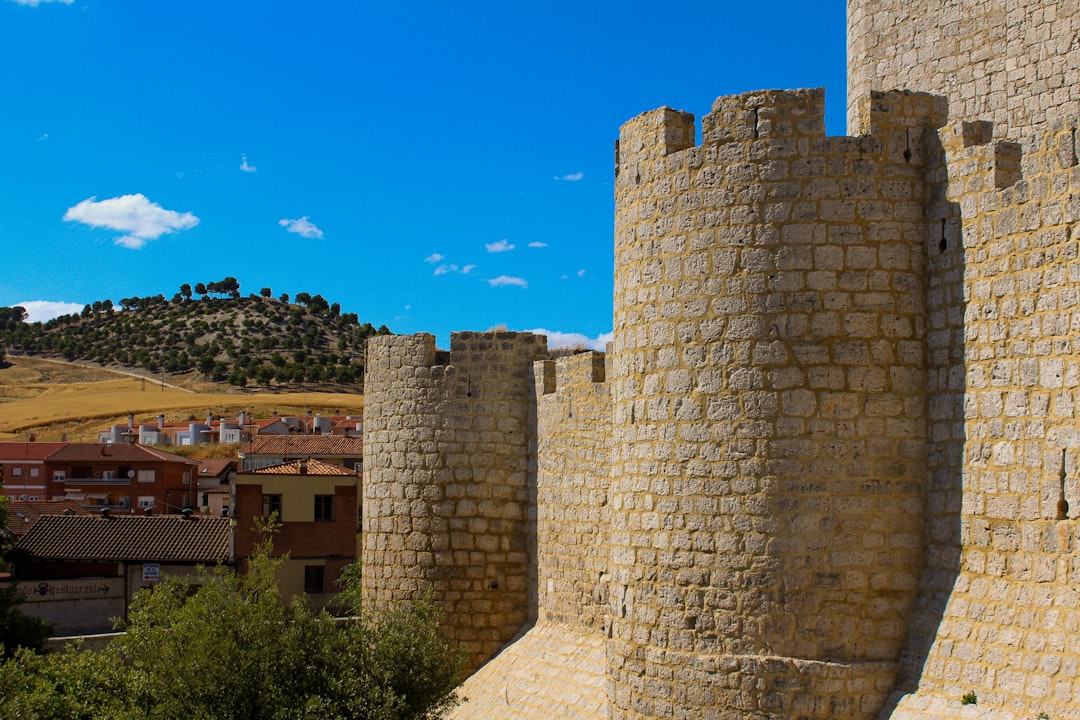
Valladolid sits at 701 metres above sea level on the Castilian plateau and is home to 309,711 residents, making it the most populated city in the entire Castile and León region. Founded as a medieval settlement and famously the city where Christopher Columbus died in 1506, it served as the de facto capital of Spain during parts of the 16th century. Located roughly 190 km northwest of Madrid, it punches well above its tourist profile — most visitors breeze past it on the way to Salamanca, which makes it one of Spain’s most rewarding under-the-radar city breaks.
Top 3 Highlights at a Glance
- Plaza Mayor — One of Spain’s oldest and most harmonious main squares, built in 1561 and lined with porticoed arcades still buzzing with daily life.
- Museo Nacional de Escultura — The world’s finest collection of Spanish polychrome sculpture, housed inside a stunning 15th-century Gothic palace with an ornate Plateresque facade.
- Ribera del Duero Wine Region — Valladolid is surrounded by Ribera del Duero bodegas producing Tempranillo at altitudes above 700m — serious wine country within 30 minutes of the city.
Scroll down for our complete travel guide with tips on getting there, where to stay, costs and more.
Arrival & Airport
How do I get to Valladolid?
Train from Madrid is the fastest and most practical option — 46 minutes on the high-speed Alvia service from Madrid Chamartín station. In my experience, this beats flying or driving every time. Trains run roughly every 2 hours and cost €20–€40 depending on how early you book on Renfe. Arriving by car from Madrid on the A-6 motorway takes about 2 hours but tolls add €10–15 each way. The one caveat most guides skip: buses from Madrid’s Estación Sur take 2.5 hours and cost as little as €8, but the Valladolid bus station sits further from the centre than the train station.
Which airport is closest to Valladolid?
Valladolid Airport (VLL) is the closest, just 10 km from the city centre. My honest warning: it is a tiny regional airport with very few international routes — mainly connections to Barcelona, Palma and a handful of seasonal European destinations. In practice, most international travellers fly into Madrid Barajas (MAD), 180 km away, and then take the high-speed train. What surprised me is how seamless this connection is — you can land at MAD, clear customs, and be in central Valladolid in under 2 hours total. I recommend checking VLL first for any direct routes before defaulting to Madrid.
How long does the journey to Valladolid take from Madrid?
From Madrid Chamartín by high-speed Alvia train, the journey takes just 46 minutes — one of Spain’s most underused fast rail links. My tip: book on the Renfe app at least a week ahead to lock in the cheapest fares around €20 one way. Driving the A-6 takes roughly 2 hours in normal traffic, but the stretch around Guadarrama can clog on Friday evenings. Flying via VLL is technically an option but, with check-in times factored in, it takes longer than the train. The caveat no one mentions: Valladolid’s train station, Campo Grande, is a pleasant 15-minute walk from the historic centre.
Do I need a car to get around Valladolid?
No — the historic core of Valladolid is absolutely walkable and you do not need a car. In my experience, the Plaza Mayor, Museo Nacional de Escultura, and the Catedral are all within a 10-minute walk of each other. The city’s bus network (Auvasa) covers outer districts for €1.35 per ride. The honest trade-off: if you want to explore the Ribera del Duero wine villages or the castle at Peñafiel (52 km away), a car is genuinely useful for at least one day. Rental rates start around €30/day from the train station area. For the city itself, leave the car behind.
City Transport
What are the best areas to stay in Valladolid?
Stay in the Centro Histórico — within 5 minutes of Plaza Mayor — and you can walk to virtually everything. In my experience, the streets around Calle Ferrari and Plaza de Fuente Dorada give you bars, restaurants, and monuments on your doorstep. The Zona Alta neighbourhood near the university is livelier at night and slightly cheaper. I recommend avoiding hotels near the ring road unless you have a car, as they save almost nothing on price while costing 30 minutes of daily walking. What surprised me is that Valladolid’s centre has almost no ugly tourist-trap streets — the whole historic core is genuinely pleasant to base yourself in.
What does accommodation cost per night in Valladolid?
Valladolid is significantly cheaper than Madrid or Salamanca. In my experience, a solid 3-star hotel in the Centro Histórico costs €60–€90/night. Boutique options like the Hotel Gareus or NH Valladolid Placentinos run €90–€130/night. A clean hostel bed goes for around €20–€30/night. The honest caveat: during Semana Santa (Holy Week) and the Feria de Valladolid in September, prices jump 40–60% and availability collapses fast. My tip is to book those periods at least 8 weeks in advance. Budget apartments on Booking or Airbnb near Plaza de España often beat hotel value at €50–€70/night for a full apartment.
How far in advance should I book during Valladolid’s high season?
For standard travel in June through September, booking 3–4 weeks ahead is sufficient and you will still find good rates. The critical exception — which most guides miss — is Semana Santa in March or April: Valladolid hosts one of Spain’s most spectacular Holy Week processions, and the entire city sells out. I recommend booking accommodation for that period at least 3 months ahead. The Feria y Fiestas de Valladolid in mid-September is the other pressure point — book 6–8 weeks ahead. Outside these windows, last-minute deals are genuinely available, and even popular spots like Hotel Meliá Recoletos have promotional rates under €80.
Are there special accommodation types worth considering in Valladolid?
Yes — Valladolid has a handful of genuinely special stays. The Castillo de Curiel (40 km south) is a 12th-century castle-hotel within the Ribera del Duero wine zone, with rooms from around €120/night — extraordinary value for a parador-style experience without parador prices. In the city, the Marqués de la Ensenada boutique hotel occupies a converted 18th-century palace. My honest caveat: true rural casas rurales (farmstays) require a car and are scattered 20–40 km outside the city. For wine lovers, I strongly recommend spending at least one night in the Ribera del Duero rather than commuting from the city — the dawn light over the vineyards is worth it.
Accommodation & Neighbourhoods
What are the must-sees in Valladolid?
Three sights are non-negotiable. First, the Museo Nacional de Escultura — arguably the world’s greatest collection of Spanish polychrome religious sculpture, housed in the stunning Colegio de San Gregorio; budget 2 hours. Second, the Catedral de Valladolid, an unfinished Herreran masterpiece begun in 1580 — the incompleteness itself tells a fascinating story. Third, Semana Santa processions if your timing allows — Valladolid’s Holy Week is officially declared of International Tourist Interest. What surprised me most is the Casa de Cervantes (entry €3), where Miguel de Cervantes actually lived, which tourists consistently walk past. I recommend it above the cathedral.
What can I experience for free in Valladolid?
Quite a lot is genuinely free. The Museo Nacional de Escultura has free entry on Saturday afternoons after 2pm and all day Sunday. The Campo Grande park — a formal 19th-century garden with peacocks roaming freely — costs nothing and locals use it daily. Walking the historic centre past the San Pablo Church facade (one of Spain’s finest Isabelline Gothic frontages) is free at any hour. My tip: the Mercado del Val, a restored 1882 iron market hall, is free to enter and the best place in the city to browse local food without spending a euro. The Pisuerga riverbank walk is also free and beautiful at sunset.
Which day trips from Valladolid are worth doing?
Peñafiel (52 km east) is my top recommendation — a dramatic ridge-top castle perched above the Duero valley, with a wine museum inside and a medieval village below; reachable in 1 hour by car. Salamanca (114 km southwest) is doable as a day trip by bus in 1.5 hours each way for around €10 return. Segovia (120 km southeast) pairs a Roman aqueduct with a fairy-tale Alcázar and is 1.5 hours by car. The caveat most guides omit: doing both Salamanca and Segovia as day trips in the same stay is exhausting — pick one. I personally rate the Ribera del Duero wine route (30–60 km) as the most authentic day out.
What are the local specialities to eat and drink in Valladolid?
Lechazo — milk-fed suckling lamb roasted in a wood-fired clay oven — is the definitive dish of the Castilian meseta, and Valladolid does it better than almost anywhere. A full ración costs around €18–22 at restaurants like Mesón Panero near the Plaza Mayor. The local cheese is Queso de Castellano (raw sheep’s milk), sharp and crumbly. For wine, order Ribera del Duero Tempranillo rather than Rioja — you are in the source region and a glass in a bar costs €2–3. My honest warning: avoid the generic tourist menus around Calle Santiago — walk one block further to Calle Correos and prices drop and quality improves significantly.
Highlights & Must-Sees
What makes Valladolid unique compared to other Spanish cities?
Valladolid was the de facto capital of Spain during the 16th century — Columbus died here in 1506, Cervantes lived here, and Philip II was born here — yet it draws a fraction of Salamanca’s tourist numbers. In my experience, that invisibility is the city’s greatest asset: you eat in restaurants full of locals, queue for nothing, and feel like a traveller rather than a ticket number. The Semana Santa processions are officially Spain’s finest and predate Seville’s by reputation among Spanish historians. At 701 metres altitude on the Castilian plateau, the light is extraordinary — painters have noted it for centuries. It is a living Spanish city that happens to be layered with world-class history.
How many days in Valladolid are worthwhile?
2 full days covers the city’s historic core thoroughly. 3 days lets you add a Ribera del Duero day trip or a visit to Peñafiel. I recommend arriving on a Friday evening to catch weekend tapas culture at its peak along Calle Correos and Plaza Mayor. The honest trade-off: Valladolid rewards slow travel but can feel slightly exhausted after day 3 if you are solely city-based — pair it with Salamanca (1.5 hours away) for a 5-day Castile itinerary that covers entirely different architectural styles. My tip: if you are here for Semana Santa, budget 3–4 days minimum because the processions run late into the night and pace matters.
When is the best time to visit Valladolid?
Based on verified climate data, June through September are the optimal months. In my experience, September is the single best month — harvest season in the surrounding vineyards, the Feria de Valladolid festival, pleasant temperatures around 22–24°C, and far fewer tourists than July–August. July and August are hot on the plateau — temperatures regularly hit 35°C — and the city empties slightly as locals leave for the coast. March–April (Semana Santa) is spectacular but crowded and expensive. My honest caveat: January and February are cold and grey at this altitude, with temperatures dropping to 2–4°C at night — perfectly functional but not a pleasure-trip season.
What local festivals in Valladolid are worth attending?
Semana Santa (Holy Week, March or April) is the unmissable event — Valladolid’s processions are officially declared of International Tourist Interest, with 30+ brotherhoods carrying polychrome sculptures through the streets by torchlight at night. The Feria y Fiestas in mid-September fills the city with concerts, bullfights, and market stalls for 10 days. The Valladolid International Film Festival (Seminci) in late October is Spain’s oldest film festival, running since 1956, and brings genuine cinematic energy to the city in the off-season. My tip: Seminci is almost entirely free to attend for most screenings if you queue at the Teatro Calderón — an insider experience most tourists completely miss.
Food & Drink
How does weather affect activities in Valladolid?
Valladolid’s location at 701 metres on the Castilian plateau creates dramatic seasonal swings. Summer afternoons above 33°C push museum visits into the obvious choice — the Museo Nacional de Escultura and the Museo Patio Herreriano are air-conditioned and genuinely world-class. Spring and autumn are ideal for walking the historic core and day trips to the Ribera del Duero. The honest warning: the plateau wind (el cierzo) makes winter feel brutally cold even at temperatures that look mild on paper — pack a proper coat for November through February. In my experience, the Campo Grande park is only truly enjoyable from April through October.
How crowded does Valladolid get in peak season?
By Spanish city standards, Valladolid is refreshingly uncrowded — even in peak July and August. The Museo Nacional de Escultura rarely has queues longer than 10 minutes, and the Plaza Mayor retains local character year-round rather than becoming a tourist plaza. The two genuine pressure points are Semana Santa (when the city’s population effectively doubles for a week) and mid-September’s Feria. What surprised me is that even during these events, the overall experience feels celebratory rather than overwhelming — unlike, say, Pamplona during San Fermín. My honest caveat: hotel prices during these two events are 40–60% higher than normal, so budget accordingly.
How safe is Valladolid?
Valladolid is one of Spain’s safest cities — petty crime rates are low compared to Madrid or Barcelona. In my experience, walking at night around Plaza Mayor, Calle Correos, and the university district feels completely safe for solo travellers. The honest caveat: the area immediately around the main bus station and parts of the Delicias neighbourhood can feel slightly rough after midnight — standard urban caution applies. Pickpocketing is rare but not impossible at the Mercado del Val or crowded festival events. Emergency services respond quickly — the main Hospital Clínico Universitario is under 10 minutes from the centre. I have visited multiple times without a single security concern.
Is English widely spoken in Valladolid?
Less than in Madrid or Barcelona — and that is part of its charm. In my experience, staff at major hotels, the tourist office on Calle Santiago, and larger restaurants handle basic English adequately. However, the tapas bars, local markets, and neighbourhood restaurants — the best places to eat — operate almost entirely in Spanish. My tip: learn 10 key Spanish phrases before arriving, especially food vocabulary; it transforms the experience. What surprised me is that younger locals (under 30) around the university quarter speak reasonable English. The honest trade-off: the language barrier keeps the crowds away and keeps prices low — I consider it a feature, not a bug.
Practical Tips
What is the daily budget for visiting Valladolid?
Valladolid is meaningfully cheaper than most Spanish tourist cities. A budget day — hostel bed (€25), market lunch (€10), supermarket dinner, free museum entry on Sunday — costs around €45/person. A comfortable mid-range day — 3-star hotel (€75), sit-down lunch with wine (€18), dinner at a proper restaurant (€25), 2 museum entries (€8 total) — runs €130–150/person. A splurge day with a castle hotel, lechazo lunch, and evening wine tasting stays under €250. My honest caveat: the Semana Santa and September Feria windows push accommodation costs up 40–60%, so those dates are the exception. The city’s low-price, high-quality food scene is its biggest budget advantage.
How does public transport work in Valladolid?
Within the city, the Auvasa bus network covers all neighbourhoods for €1.35 per ride with a flat fare. A 10-trip card (bonobus) costs €7.50 — genuinely useful for longer stays. In my experience, the historic core is compact enough that you rarely need a bus — the Museo Nacional de Escultura, Plaza Mayor, and Catedral are all within a 15-minute walk of the train station. The honest caveat: there is no metro and no tram, so outlying suburbs require buses that run infrequently after 10pm. For regional travel to Salamanca, Segovia, or Madrid, the Renfe train from Campo Grande station is fast and reliable. I recommend the Moovit app for real-time Auvasa schedules.
Which apps do you recommend for visiting Valladolid?
Renfe (iOS/Android) is essential — book all regional and intercity trains including the 46-minute Madrid connection directly and cheaply. Moovit handles Auvasa local bus real-time tracking inside the city. Google Maps offline download covers navigation well, though I find Maps.me more reliable in the narrow streets around San Pablo. For restaurant finding, ElTenedor (TheFork) lists most Valladolid restaurants with reviews and booking; TripAdvisor is less useful here than in tourist-heavy cities. For wine tourism, the Ruta del Vino Ribera del Duero official website (not an app, but mobile-friendly) is the best resource for planning bodega visits within 30–60 km of the city.
More Destinations in Europe
Explore our complete travel guides for more Europe destinations: Rouen Travel Guide (2026), Copenhagen Travel Guide (2026), Île dOléron Travel Guide (2026), Île de Groix Travel Guide (2026), Málaga Travel Guide (2026).
Valladolid at a Glance
| Population | 302,614 |
|---|---|
| Currency | EUR (€) |
| Official language | Spanish |
| Time zone | UTC+01:00 |
Source: Wikidata, retrieved October 2026.
Useful Resources for Planning Your Trip to Valladolid
- Wikipedia: Valladolid — history, geography and background
- Lonely Planet: Valladolid — itineraries and travel inspiration
- TripAdvisor: Valladolid — hotels, restaurants and traveller reviews
🎥 Valladolid Travel Videos
BEST Things to Do in VALLADOLID YUCATAN MEXICO …
Kitti and Jon
Valladolid Mexico Travel Guide Top Things to Do in Valladolid!
Laura Bronner

Valladolid Travel Guide: Self-Guided Ek Balam & Secret …
Ocean To Jungle
You are currently viewing a placeholder content from Vimeo. To access the actual content, click the button below. Please note that doing so will share data with third-party providers.
More InformationYou are currently viewing a placeholder content from YouTube. To access the actual content, click the button below. Please note that doing so will share data with third-party providers.
More InformationYou need to load content from reCAPTCHA to submit the form. Please note that doing so will share data with third-party providers.
More InformationYou are currently viewing a placeholder content from GetYourGuide. To access the actual content, click the button below. Please note that doing so will share data with third-party providers.
More Information