
Casablanca: The Complete Travel Guide (2026)
Last reviewed: September 2026 · key facts checked against Wikidata
Casablanca Travel Guide: Everything You Need to Know (2026)
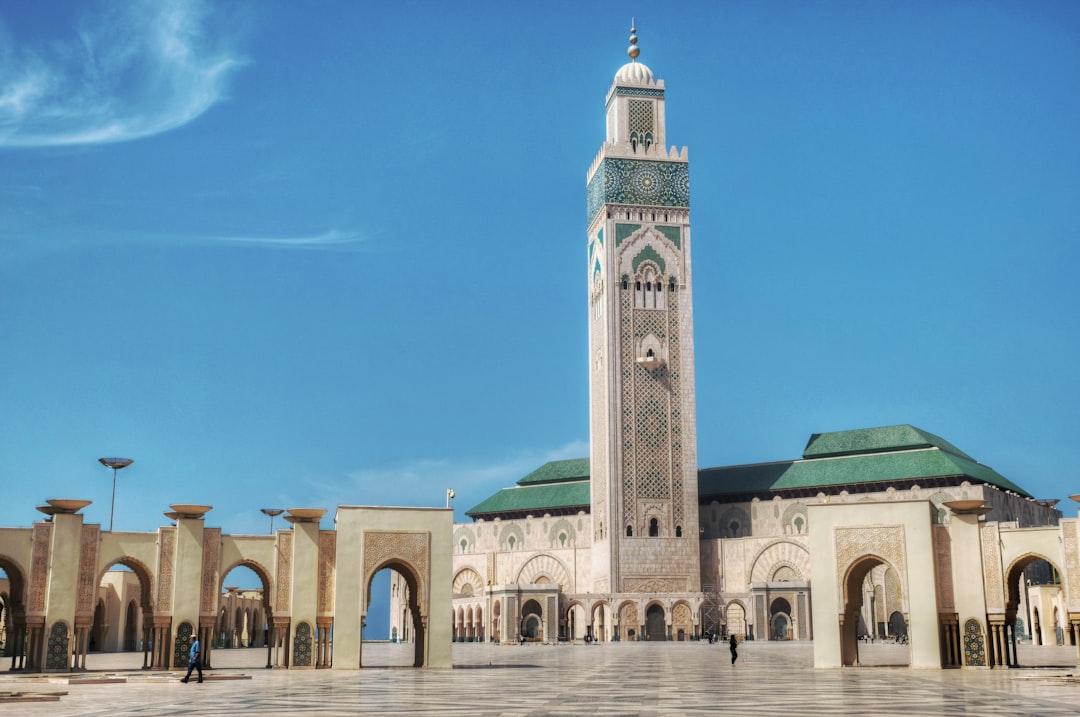
Casablanca is Morocco’s largest city and its undisputed economic powerhouse, home to 3.2 million residents in the urban area and sitting at just 115 metres above sea level on the Atlantic coast. Founded as Anfa by Berber tribes and later refounded by Portuguese traders in the 15th century, it grew into the Maghreb’s most populous city under French protectorate planning in the 20th century. The iconic Hassan II Mosque, completed in 1993, stands on a platform over the Atlantic — its minaret at 210 metres is the tallest in the world.
Three Things Not to Miss in Casablanca
- Hassan II Mosque — The world’s tallest minaret at 210 metres, built partly over the Atlantic — unmissable at sunset.
- Quartier des Habous (New Medina) — A 1930s French-built medina blending Moroccan craftsmanship with colonial planning — far less chaotic than Fès.
- Corniche Ain Diab — Casablanca’s 4-kilometre Atlantic seafront strip, lined with beach clubs, cafés, and local surfers year-round.
Scroll down for our complete travel guide with tips on getting there, where to stay, costs and more.
How to Reach Casablanca
How do I get to Casablanca?
Fly directly into Mohammed V International Airport (CMN) — the easiest and fastest option. In my experience, Royal Air Maroc, Ryanair, and Iberia all offer competitive fares into CMN, which handles the overwhelming majority of international arrivals. A direct train, the Casa Voyageurs line, runs from the airport to the city centre in 38 minutes for roughly DH 45 (~$5). What surprised me: overland bus from Marrakech takes 3.5 hours via CTM and costs around DH 100 — a genuinely comfortable alternative if you’re combining cities. The trade-off with budget airlines is that they often land late at night, and the last train to the city departs before midnight, so check your schedule carefully.
Which airport is closest to Casablanca?
Mohammed V International Airport (CMN) is the only major airport serving Casablanca, located 30 km southeast of the city centre. It is Morocco’s busiest airport by passenger volume and handles direct flights from Europe, North America, the Gulf, and sub-Saharan Africa. My tip: the ONCF train connecting the airport directly to Casa Voyageurs and Casa Port stations is the gold standard — it runs every 30 minutes from 6:00 to 23:00. Taxis from arrivals are heavily touted; agree a fixed price upfront or insist on the meter, as unsuspecting arrivals are routinely quoted DH 300–400 for a ride that should cost DH 150–200.
How long does the journey from the airport to central Casablanca take?
By train it takes 38 minutes from CMN to Casa Voyageurs — this is the definitive answer. By taxi or ride-hail the same journey takes 30–55 minutes depending on traffic, which on the N11 motorway during morning rush hour (7:00–9:00) can be brutal. I recommend the train without hesitation: it costs DH 45, runs on time, and drops you at the edge of the city centre. What most guides omit: the taxi fare is officially metered, but the vast majority of airport drivers refuse to use it. Use inDrive or Careem apps to book a fixed-price ride — expect to pay around DH 170 through an app versus DH 300+ from an unlicensed tout.
Do I need a rental car in Casablanca?
No — you do not need a car in Casablanca. I lived without one for 10 days and covered the entire city using trams, taxis, and my feet. The Tramway de Casablanca (T1 and T2 lines) connects major districts including Ain Sebaa, Hay Hassani, and the city centre for DH 7 per ride. Grand taxis for longer cross-city trips cost DH 10–20 per person. The honest caveat: if you plan day trips to El Jadida (99 km south) or Azemmour, a rental car from Avis at CMN costs around DH 350/day and gives you genuine freedom. But within Casablanca itself, a car is a liability — parking is scarce in Maarif and the old medina, and traffic is unrelenting.
Casablanca Public Transport Explained
What are the best areas to stay in Casablanca?
Maarif is my top pick for first-time visitors — it is safe, restaurant-dense, and central. Gauthier is slightly more upscale and calmer, preferred by business travellers. Ain Diab along the Corniche suits anyone who prioritises an Atlantic view and beach access over proximity to the medina. In my experience, avoid the old Ancienne Médina area for accommodation — it is run-down and poorly connected to the tram. What surprised me: Racine, a quiet residential neighbourhood adjacent to Maarif, offers boutique guesthouses at 30% below Maarif hotel rates with the same walkability. Staying within 2 km of the Place Mohammed V puts you within reach of the main sites, the tram, and the best restaurants.
What does accommodation cost per night in Casablanca?
Budget clearly: DH 500/night (~$50) covers a clean, air-conditioned economy hotel in Maarif or Gauthier. Mid-range options — think Hôtel Transatlantique or boutique riads near Place des Nations Unies — run DH 700–1,200/night. Luxury hotels like Four Seasons Casablanca start at DH 3,500/night. My tip: Casablanca is priced more like a business city than a tourist destination — there are almost no bargain guesthouses comparable to Marrakech or Chefchaouen. The honest trade-off: Airbnb apartments in Bourgogne offer more space for DH 400–600/night but are inconsistently maintained and lack the security of a staffed hotel.
How far in advance should I book accommodation in Casablanca during high season?
Book at least 6 weeks ahead for travel in July, August, or during the Casablanca Festival (July). In my experience, mid-range hotels in Maarif fill quickly during summer because Moroccan domestic tourists from inland cities flood the Atlantic coast. The honest warning most guides skip: Casablanca is primarily a business city, which means hotels paradoxically get cheaper on weekends and more expensive Monday–Thursday when corporate rates apply. I recommend targeting a Thursday arrival — rates often drop by 20–25% versus Tuesday. For shoulder months like April or October, 2 weeks’ notice is generally sufficient.
Are there special accommodation types worth trying in Casablanca?
Yes — the Art Deco heritage hotels in the downtown triangle are genuinely special. Hôtel Guynemer and Hôtel Transatlantique are survivors of the 1930s French protectorate building boom and offer rooms in authentic Mauresque-Art Deco buildings for DH 600–900/night. What surprised me: Casablanca has almost no traditional riads — that is Marrakech and Fès territory. Instead, look for maisons d’hôtes in Anfa neighbourhood, converted colonial villas with 4–8 rooms and intimate service. The trade-off: these boutique properties rarely include breakfast in the rate, and the nearest café serving a proper Moroccan breakfast with msemen and argan oil is typically a 5-minute walk.
Neighbourhoods of Casablanca
What are the must-sees in Casablanca?
Three absolute priorities: Hassan II Mosque (the world’s tallest minaret at 210 m, entry DH 130 for non-Muslims on guided tour), the Quartier des Habous (a 1930s planned medina that is actually navigable), and the Corniche Ain Diab seafront. Beyond those, the Villa des Arts is a converted 1930s villa hosting rotating contemporary Moroccan art — entry is free and attendance is always light. My tip: the Central Market (Marché Central) on Rue Chaouia is the best single-hour Casablanca experience — locals, fish vendors, flower stalls — and costs nothing to walk through. What most guides omit: the rooftop of the Twin Center mall in Maarif gives a free panoramic view rivalling paid viewpoints.
What can I experience for free in Casablanca?
More than you’d expect. The Corniche Ain Diab walk from Plage Aïn Diab to La Sqala is free, scenic, and best at golden hour. The Habous neighbourhood costs nothing to wander, and its covered souks sell the best Moroccan pastries in the city for DH 2–5 each. The Cathedral of the Sacred Heart (now a cultural centre) is free to enter during exhibitions. In my experience, the most underrated free experience is sitting in Parc de la Ligue Arabe — 7 hectares of manicured gardens flanked by Art Deco architecture — on a Friday morning when families picnic and musicians gather. The honest caveat: ‘free’ beaches on the Corniche charge DH 20–40 for a sunbed in summer, which catches visitors off guard.
Which day trips from Casablanca are worth it?
El Jadida (99 km south, 1.5 hours by CTM bus, DH 45) is my strongest recommendation — a UNESCO-listed Portuguese fortified city with a stunning cistern and almost no tourist crowds. Azemmour, just 80 km south, is a walled medina village on the Oum Er-Rbia river that sees a fraction of El Jadida’s visitors. Rabat, the capital, is 87 km north and reachable in 1 hour by train for DH 55 — it pairs a royal palace, a Roman ruin at Chellah, and a completely different urban energy. The honest trade-off: Marrakech is often suggested as a day trip at 240 km — I disagree strongly. The 3.5-hour journey each way leaves you exhausted for a city that demands at least 2 days.
What are the local specialities I must try in Casablanca?
Casablanca’s Atlantic position defines its food — this is Morocco’s seafood capital. Order grilled sardines at any Marché Central restaurant for DH 40–60 a plate. The pastilla au fruits de mer (a flaky pastry filled with seafood and béchamel) is a Casawi invention found almost nowhere else in Morocco. My tip: Chez Paul near the Corniche serves the definitive version for DH 90. Street-side: bissara (fava bean soup with cumin and olive oil) is the local breakfast staple at DH 8 a bowl from carts near Derb Sultan. What surprised me: Casablanca’s café culture is exceptional — Moroccan café au lait (half espresso, half warm milk) costs DH 10–15 and is consumed standing at zinc counters in genuine Parisian-Moroccan fashion.
What to See in Casablanca
What makes Casablanca unique compared to other Moroccan cities?
Casablanca is the only Moroccan city that is genuinely cosmopolitan and forward-looking rather than heritage-first. It has no imperial past — the ancient capitals are Fès, Marrakech, Meknès, and Rabat. Instead, Casablanca is a 20th-century creation: the French laid its boulevards, the Moroccan merchant class built its Art Deco downtown, and its port handles 33% of Morocco’s GDP. What surprised me: this is where Moroccan professionals actually live and where contemporary Moroccan culture — music, fashion, film — is made. The trade-off is that romantics expecting medina labyrinths and souks will be disappointed; Casablanca rewards those curious about a living, working North African metropolis rather than a preserved museum city.
How many days should I spend in Casablanca?
2 full days covers Casablanca’s core completely. Day 1: Hassan II Mosque morning tour, walk to the Corniche for lunch, afternoon in Quartier des Habous. Day 2: Marché Central, the Art Deco downtown triangle, Parc de la Ligue Arabe, evening dining in Maarif. My tip: add a 3rd day only if you plan a day trip to El Jadida or want to explore Ain Sebaa neighbourhood’s working-class culture. The honest caveat most itinerary guides skip: Casablanca is frequently inserted into 10-day Morocco itineraries as a 3-night stop — that is too long unless you have specific business or culinary interests. Allocate those extra nights to Fès or Essaouira instead.
When is the best time to visit Casablanca?
April through October is the verified optimal window based on Casablanca’s Atlantic climate. April and May offer mild temperatures, green surroundings, and 30–40% lower hotel rates than August. July and August are popular with Moroccan vacationers and European diaspora returning home — the Corniche buzzes but hotels fill fast. My honest warning: January and February bring cold Atlantic winds and persistent grey skies — Casablanca in winter feels more like Lisbon in November than the Morocco of travel brochures. October is my personal favourite month: warm enough to swim (22°C sea temperature), crowds have thinned, and the city’s cultural calendar — including the Casablanca Jazz Festival — kicks into gear.
Are there local festivals in Casablanca worth planning around?
Yes — the Casablanca Festival (July) is the largest free music event in North Africa, held in Parc de la Ligue Arabe over 2 weeks, featuring Moroccan and international artists. The L’Boulevard Festival (urban music, hip-hop, reggae) typically runs in October and is the creative heartbeat of young Casablanca — tickets cost DH 100–200 per day. My tip: the Ramadan evenings in Casablanca are extraordinary — the city inverts its schedule, streets fill after 21:00, and restaurants serve harira and chebakia for DH 15–25. The caveat: during Ramadan (dates shift yearly), many restaurants are closed until sunset and alcohol is unavailable in most establishments, which disrupts typical tourist routines significantly.
Casablanca Food Scene
How does Casablanca’s weather affect activities throughout the year?
The Atlantic moderates Casablanca’s climate — it never gets as hot as Marrakech or as cold as the Atlas. Summer highs sit around 27°C rather than the 42°C that punishes inland Morocco. The seafront Corniche Ain Diab is swimmable from June through September when sea temperatures reach 20–23°C. My tip: spring (April–May) is ideal for walking the downtown Art Deco core — temperatures of 18–22°C make the city’s architecturally dense streets genuinely pleasant to explore on foot. The honest caveat: Casablanca’s sirocco winds from the Sahara occasionally push through in spring, creating hazy, dusty conditions for 2–4 days at a stretch — check forecasts before scheduling outdoor photography.
How crowded does Casablanca get in peak season?
August is the crunch month — Hassan II Mosque guided tours sell out 3–5 days in advance and the Corniche beach clubs charge premium entry of DH 80–150 for sunbed access. In my experience, the pressure is real but manageable: Casablanca spreads crowds across a large city more efficiently than compact Chefchaouen or the Jemaa el-Fna in Marrakech. My tip: visit Hassan II Mosque at the 9:00 opening slot — tour groups cluster at 11:00 and 14:00. What surprised me: the medina and Habous quarter remain uncrowded even in August because most August visitors are beach-focused, not heritage-focused — giving you those neighbourhoods largely to yourself.
How safe is Casablanca for travellers?
Casablanca is safe for tourists — petty theft and opportunistic scams are the primary risks, not violent crime. In my experience, Maarif, Gauthier, and the Corniche are entirely comfortable to walk at any hour. The historic Ancienne Médina warrants standard vigilance — keep phones pocketed and avoid displaying cameras in the narrower lanes after dark. The honest warning most guides soften: fake guides approach heavily at the Hassan II Mosque entrance, quoting tours for DH 300–500 that the official mosque tour (booked at the entrance, DH 130) replaces completely. Solo female travellers report frequent, low-level harassment in less-touristed streets — Rue Prince Moulay Abdallah and the Corniche are more comfortable than the port district.
Is English widely spoken in Casablanca?
Moderately — more so than in any other Moroccan city, but French dominates. In my experience, staff at hotels in Maarif and Gauthier, restaurants on the Corniche, and any business targeting tourists will speak functional English. Street-level interaction — taxi drivers, market vendors, café owners — runs on Darija (Moroccan Arabic) and French. My tip: learn 5 phrases in French before arrival: even broken French gets you further than perfect English in Casablanca’s daily street life. The honest caveat: younger Casablancans under 30 — especially in the Maarif tech and startup scene — often speak excellent English, and apps like Google Translate’s camera mode handle Arabic-script menus almost perfectly now.
Local Know-How for Casablanca
What is the daily budget for travelling in Casablanca?
A realistic daily budget breaks down clearly: budget traveller DH 500–700/day (economy hotel at ~DH 500, cheap meals at DH 54 each per verified pricing, tram at DH 7/ride). Mid-range travellers spend DH 1,000–1,500/day including a Habous restaurant dinner (~DH 97 for two, per Numbeo data), a Corniche beach club, and an Uber or Careem ride. My tip: food is the strongest budget lever in Casablanca — a full Moroccan lunch at a workers’ restaurant near Derb Sultan costs DH 35, while the same dish at a Maarif tourist restaurant is DH 120. The hidden cost that catches people: Hassan II Mosque entry (DH 130) is the steepest single attraction fee in Morocco.
How does Casablanca’s public transport network work?
Casablanca runs 2 tram lines (T1 and T2) covering 47 km of track connecting major districts — a single ticket costs DH 7, a 10-trip carnet costs DH 60. Buses exist but are overcrowded and difficult to navigate without local knowledge — I do not recommend them for visitors. Petit taxis (red) operate within the city for metered fares starting at DH 2.50, typical cross-city rides cost DH 20–35. My tip: download Careem before arriving — it operates like Uber, shows fixed prices, and eliminates fare negotiation entirely. The honest caveat: the tram does not serve Ain Diab (Corniche) directly — you exit at Abou Bakr Seddik station and take a DH 15 petit taxi for the final 2 km.
Which apps do you recommend for getting around and exploring Casablanca?
My essential Casablanca app stack: Careem for fixed-price taxis (eliminates all meter disputes), Google Maps for navigation (OSM data for Casablanca is excellent and covers tram stops accurately), and inDrive as a backup ride-hail that lets you name your price. For the mosque: book Hassan II Mosque tours directly via their official website — no third-party markup. XE Currency is essential given that DH 1 = approximately $0.10 and mental conversion at speed is genuinely difficult. What surprised me: WhatsApp is the primary communication tool in Morocco — every guesthouse, private guide, and restaurant reservation runs through it, so have an active number ready from day one.
Casablanca at a Glance
| Population | 3,215,935 |
|---|---|
| Currency | Moroccan dirham (DH) |
| Official language | Arabic, Standard Moroccan Tamazight |
| Time zone | UTC+01:00 |
Source: Wikidata, retrieved September 2026.
Morocco › Casablanca
More Destinations in Atlantic Coast
More Destinations in Morocco
Essential Resources for Planning Your Trip to Casablanca
- Travel info – Getting around Morocco — official visitor information, passes & events
- Wikipedia: Casablanca — history, geography & background
- Wikivoyage: Casablanca — community travel guide & practical tips
- Casablanca travel – Lonely Planet | Morocco, Africa — expert itineraries & travel inspiration
- THE 15 BEST Things to Do in Casablanca (2026) — hotels, restaurants & traveller reviews
- Casablanca – The Real Morocco — how to get around
- Numbeo: Cost of Living in Casablanca — current prices & cost comparison
- Timeanddate: Casablanca Weather & Climate — forecasts & climate statistics
More Perspectives on Casablanca
- Casablanca – The Real Morocco
- Americans visiting Casablanca soon! I need some tips and …
- Casablanca Travel Guide
Casablanca Travel Videos
Watch these videos for a visual preview before your trip:
- Best Things To Do in Casablanca Morocco Travel Guide 2026 4k
- Best Things To Do In Casablanca | Morocco Travel Guide 2025
- Casablanca – What to Know Before You Visit Casablanca, Morocco
Casablanca Travel Discussions on Reddit
Real traveller experiences and community advice:
- Americans visiting Casablanca soon! I need some tips and …
- Is Casablanca worth going to over these other destinations?
- Casablanca Travel Agency Cruise
Data Sources
This page was compiled using data from Wikipedia, Wikidata, Open-Meteo (climate), Numbeo (cost of living) and REST Countries. Information is updated regularly.