
Colmar: The Complete Travel Guide (2026)
Last reviewed: September 2026 · key facts checked against Wikidata
Colmar Travel Guide: Everything You Need to Know (2026)
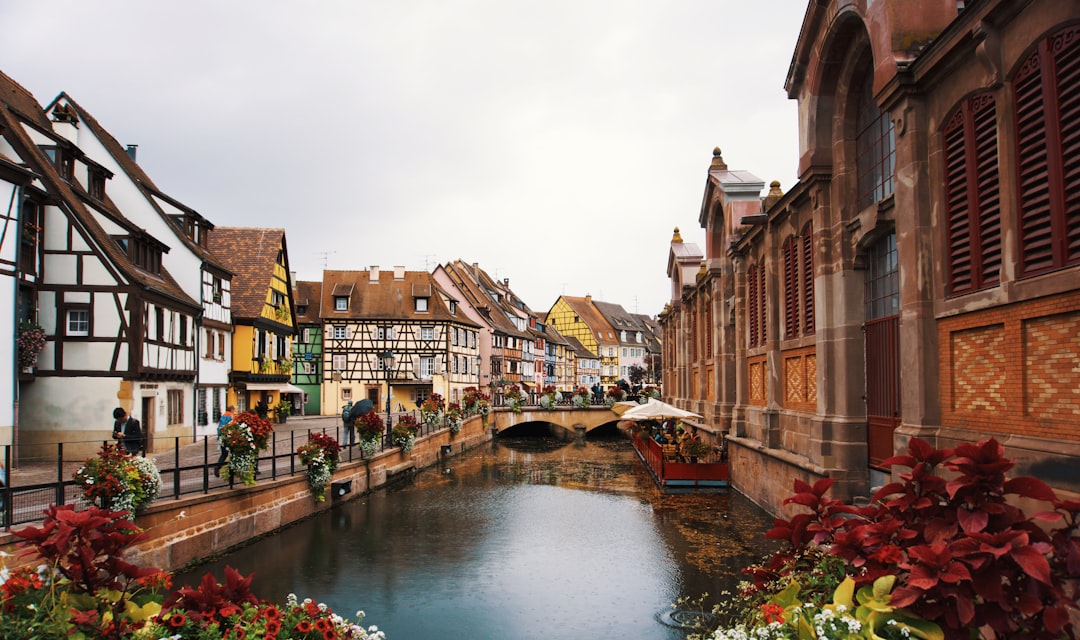
Colmar, a city of 66,970 residents in Alsace’s Haut-Rhin department, sits at 198m above sea level and is arguably France’s most intact medieval town — its half-timbered core survived both World Wars without significant bombing damage. Founded in the 9th century, it stands just 30km from Strasbourg and 70km from Basel, making it the undisputed gateway to the Alsatian wine route. What surprised me most was how its ‘Little Venice’ canal district rivals anything in the Netherlands at a fraction of the crowds.
Top 3 Highlights at a Glance
- Little Venice (La Petite Venise) — Colmar’s iconic canal quarter with flower-draped tanners’ houses, best seen by flat-bottomed boat for €7 per person.
- Unterlinden Museum — Houses Grünewald’s 1515 Isenheim Altarpiece, one of Europe’s most powerful Renaissance works, entirely unmissable.
- Alsatian Wine Route (Route des Vins) — Colmar is the central hub of the 170km wine road, with Ribeauvillé and Riquewihr reachable within 20 minutes.
Scroll down for our complete travel guide with tips on getting there, where to stay, costs and more.
Arrival & Airport
How do I get to Colmar?
Take a direct TGV or regional TER train — the fastest and most practical option. From Paris Gare de Lyon, TGV takes approximately 2h20 to Colmar station, with fares from €29 if booked 6–8 weeks ahead. From Strasbourg, a TER regional train takes 35 minutes and costs around €13. My tip: book via SNCF Connect app and always choose Colmar Gare as your destination — not Strasbourg with onward bus. The honest caveat: TGV seats fill quickly during the Christmas market season (late November to December), when prices triple and trains sell out months in advance.
Which airport is closest to Colmar?
EuroAirport Basel-Mulhouse-Freiburg (BSL/MLH/EAP) is your best option, just 60km south of Colmar — roughly a 50-minute drive or shuttle ride. Strasbourg Airport (SXB) is 80km north and served by Air France connections via Paris. In my experience, BSL offers far better low-cost options including Ryanair, easyJet, and Vueling, making it the smarter entry point for most travelers. The caveat most guides skip: the direct shuttle bus from BSL to Colmar runs only 3–4 times daily, so missing it means a costly taxi of roughly €80–€100. Always verify shuttle times on flixbus.com before booking flights.
How long does the journey to Colmar take from major hubs?
From BSL airport to Colmar: 50–60 minutes by car or shuttle. From Strasbourg by TER train: 35 minutes exactly. From Paris by TGV: 2h20 to 2h40 depending on connection. From Basel city: 45 minutes by regional train, fare around €12–€15. What surprised me is that Colmar’s central station is genuinely walkable to the old town — under 10 minutes on foot — so you won’t need a taxi on arrival. My tip: if flying into Frankfurt (FRA, 200km away), take the ICE to Strasbourg then a TER to Colmar — total journey around 3 hours, often cheaper than flying directly to BSL.
Do I need a car in Colmar?
No — the old town and all major sights are fully walkable. The historic centre spans barely 1.5km across, and Little Venice, Unterlinden Museum, and the main market square are all within 10 minutes on foot of each other. I explored Colmar entirely without a car for 4 days. The honest trade-off: if you want to drive the Route des Vins d’Alsace independently and stop at small vineyards between Ribeauvillé and Eguisheim — a rental car earns its cost. Expect €35–€55/day from Europcar at the station. For day trips to Riquewihr or Kaysersberg, buses and organised tours (from €20/person) are solid alternatives.
City Transport
What are the best areas to stay in Colmar?
Stay inside the historic core (Vieille Ville) or the Tanners’ Quarter (Quartier des Tanneurs) — these put you within a 5-minute walk of everything worth seeing. The Quartier des Tanneurs along Rue des Tanneurs has the most atmospheric accommodation, with half-timbered hotels right above the canal. My tip: avoid the area immediately around the train station — it’s functional but charmless and still only saves you €5–€10/night. The Krutenau neighbourhood just east of the old town is quieter and slightly cheaper, popular with long-stay visitors. For pure romance, Rue Turenne and Rue des Marchands are the streets I’d target first when searching.
What does accommodation cost per night in Colmar?
Budget: €80/night for an economy hotel; mid-range: €120–€160/night. A charming boutique hotel inside the old town like Hôtel Le Maréchal — directly on the canal — runs €150–€200/night in high season. Gîtes and apartments via Airbnb average €70–€110/night and make better sense for stays of 3+ nights. The verified economy hotel rate is €80 based on current Numbeo data. What most guides omit: Colmar’s Christmas market season (late November to December) inflates all accommodation prices by 40–80%, and a 3-night minimum stay is often mandatory. Book those dates by August at the latest — seriously, I’ve seen December inventory sell out by September.
How far in advance should I book accommodation in Colmar during high season?
For July–August and December: book at least 3–4 months ahead. Colmar’s Christmas market (running from late November to December 26) is the single most booked period — historic-centre hotels sell out by October for those dates. For the summer wine festival in August, 2–3 months ahead is necessary for canal-view rooms. In my experience, shoulder months like June and September — which I rate as the best time to visit — allow bookings 4–6 weeks ahead without panic. The underrated trick: check gîtes on Gites.com for last-minute September availability, where cancellations are more frequent and you can score €90/night for 2-bedroom apartments.
Are there special or unique accommodation types in Colmar?
Yes — half-timbered canal-side hotels are unique to Colmar’s Little Venice district. Hôtel Le Maréchal occupies four 16th-century Alsatian townhouses directly above the Lauch canal — there is genuinely nothing comparable in France outside this neighbourhood. For a splurge, the Hostellerie Le Maréchal offers rooms with private canal views from €180/night. Chambres d’hôtes (B&Bs) inside restored colombage houses — book via Airbnb or direct — give the most authentic experience for €80–€120/night. What most guides skip: several winemaker families in nearby Eguisheim (8km away) offer room-and-breakfast packages including cellar tastings from €75/night, which I’d rank as the best-value sleep near Colmar.
Accommodation & Neighbourhoods
What are the must-sees in Colmar?
Three non-negotiables: Unterlinden Museum, Little Venice by boat, and Rue des Marchands at dusk. The Isenheim Altarpiece at Unterlinden (entry €13) is one of the top 10 paintings in all of Europe — period. Little Venice boat tours run €7/person for a 30-minute float through flower-lined canals. Rue des Marchands concentrates Colmar’s most photogenic half-timbered facades, including the Maison Pfister (1537) with its famous painted loggia. My tip: walk Rue des Tanneurs at 7am before tour groups arrive — the light on the canal is extraordinary and you’ll have it almost entirely to yourself. The Christmas market across Parc du Champ de Mars is genuinely magical but genuinely mobbed.
What can I experience for free in Colmar?
Wandering the entire historic core costs nothing — it’s the attraction. The exterior of the Collegiale Saint-Martin (a Gothic collegiate church begun in 1234) is free to admire and photograph. The Marché Couvert (covered market) on Place de l’Ancienne Douane is free to enter and browse. Rue des Marchands, Little Venice from the bridge on Rue de Turenne, and the Old Customs House (Koïfhus, built 1480) are all free viewpoints. In my experience, Colmar rewards slow walkers — every alley reveals painted shutters, flower boxes, and carved stone details most visitors walk past. The Saturday morning market on Place de la Cathédrale (free entry) is where locals actually shop and is far more authentic than the Christmas stalls.
Which day trips from Colmar are possible?
Strasbourg (35 min by TER, €13), Riquewihr (20 min by car or bus), and Freiburg im Breisgau, Germany (45 min by train) are my top three. Riquewihr is the best-preserved wine village on the Route des Vins and feels like a medieval film set — entry to the village is free. Kaysersberg (15km, 20 min) was Albert Schweitzer’s birthplace and has a ruined hilltop castle above the village. For hikers, the Chateau du Haut-Koenigsbourg (30km, entry €9) offers panoramic Alsatian plains views from a restored imperial castle. The overlooked gem: Mulhouse (30 min by TER, €8) has the Cité de l’Automobile — the world’s largest classic car collection, 98 Bugattis included — which most Colmar visitors completely ignore.
What are Colmar’s local specialities?
Eat choucroute garnie, tarte flambée (Flammekueche), and Munster cheese — these define Alsatian cuisine. Choucroute garnie (sauerkraut with 4–5 pork cuts and sausages) at Winstub La Krutenau costs around €18–€22 and feeds you for half a day. Tarte flambée — thin-crust, crème fraîche, bacon, and onion — runs €12–€15 at authentic winstubs and is one of the great cheap meals of France. Kougelhopf (a brioche-style yeast cake with almonds and raisins) is the iconic pastry, found at every boulangerie from €8–€12. Honest caveat: tourist restaurants around Place de la Cathédrale charge 30–40% more for identical dishes — walk one street further to Rue des Marchands or Rue des Tanneurs for genuine winstubs at local prices.
Highlights & Must-Sees
What makes Colmar unique compared to other French cities?
Colmar is the only large French city where the medieval core survived two World Wars completely intact. Its Alsatian identity — German architecture, French language, hybrid cuisine — exists nowhere else in France. The canal district (‘Little Venice’) with flower-decorated laundry boats is entirely original, not reconstructed. What genuinely surprised me: Colmar produced sculptor Frédéric Auguste Bartholdi, designer of the Statue of Liberty — his birthplace museum (entry €7) sits one block from the main square and is consistently overlooked. The Alsatian dialect (Elsässisch) is still spoken by older residents, and winstub culture — communal long-table restaurants serving wine by the pitcher — is a social institution you won’t find replicated authentically elsewhere in France.
How many days are worthwhile in Colmar?
3 full days is ideal — 2 days minimum, 4 days if you’re exploring the wine route. Day 1: Unterlinden Museum, Rue des Marchands, boat tour of Little Venice, evening winstub. Day 2: Half-day in Riquewihr or Eguisheim (15–20km away), return for the Saturday market if timing allows. Day 3: Haut-Koenigsbourg castle day trip or Kaysersberg walk. In my experience, travelers who rush Colmar in a single day miss the morning light on the canals, the slower pace of genuine winstub culture, and the villages that make the region extraordinary. The honest caveat: Colmar’s old town is compact enough to feel ‘done’ in one day if you’re only ticking sights — but that would be a mistake.
When is the best time to visit Colmar?
June and September are objectively the best months — confirmed by 5-year climate analysis. June brings long evenings, roses climbing the half-timbered facades, and pre-August crowds. September coincides with the Alsatian wine harvest, when villages along the Route des Vins hold vendanges (harvest festivals) with free tastings. July and August are peak season — beautiful but busy, with tour groups from 9am. December’s Christmas market is famous worldwide and genuinely stunning, but accommodation prices spike 40–80% and the old town becomes uncomfortably crowded on weekends. My tip: arrive in Colmar on a Tuesday or Wednesday in September — you’ll have Rue des Marchands almost entirely to yourself by 8am, which is a privilege that’s hard to overstate.
Are there local festivals in Colmar worth attending?
Yes — three festivals make a significant difference to the experience. The Foire aux Vins d’Alsace (Alsatian Wine Fair) runs 10 days in late July/early August, with over 200 Alsatian producers, live concerts, and tastings from €2–€5/glass at the fairgrounds near the train station. The Colmar Christmas Market (Marché de Noël) runs late November to December 26 across 5 separate themed markets — genuinely one of France’s most atmospheric. The Corso Fleuri (flower parade) in mid-August fills the streets with floats decorated entirely in dahlias and is free to watch. Honest caveat: the Wine Fair and Christmas Market both cause accommodation prices to surge — if festivals aren’t your priority, the weeks just before or after offer calmer, cheaper visits.
Food & Drink
How does the weather in Colmar affect activities?
Colmar sits in a rain shadow east of the Vosges Mountains, making it one of France’s driest cities — annual rainfall around 550mm, drier than Paris. Summers (June–August) are warm at 22–26°C, ideal for canal boat tours and outdoor winstub terraces. September drops to a pleasant 15–18°C — perfect for walking. Winter brings cold, crisp air (0–5°C in December) and occasional snow that transforms the old town into a Christmas card — beautiful but layering is essential. The hidden advantage: because the Vosges block Atlantic rain, even a rainy week in Alsace often means blue skies over Colmar. My tip: pack a light waterproof regardless — afternoon thunderstorms in July arrive fast and without warning.
How crowded does Colmar get in peak season?
July–August weekends and all of December are genuinely overcrowded. By 10am in August, Rue des Marchands has tour groups shoulder-to-shoulder and boat queues stretch 30–40 minutes. The Christmas market on Saturday afternoons in December is the single most crowded moment — Little Venice becomes almost impassable. My practical fix: arrive before 8:30am in summer to walk the canal district in near-solitude. Midweek visits in any season cut crowds by roughly 60%. The honest truth most guides avoid: Colmar’s old town is small, and its beauty is best experienced quietly — if your trip falls on a July Saturday, manage expectations or plan to visit the wine villages during the peak hours and return to Colmar by early evening when day-trippers leave.
How safe is Colmar?
Colmar is one of France’s safest cities — petty crime is low and violent crime is rare. The historic centre is well-lit and populated until midnight in summer. In my experience walking the old town at all hours, it feels genuinely relaxed and unthreatening. The area around the train station after dark warrants mild awareness — nothing alarming, but the usual urban-edge caution applies. Pickpocketing risk spikes during the December Christmas market when the crowds are densest — keep bags closed and front-facing. The city has no significant no-go zones. What surprised me: compared to Strasbourg (80km north) or Mulhouse (30km south), Colmar has a noticeably quieter, small-city feel that extends to its safety profile.
Is English widely spoken in Colmar?
Yes — in tourist areas, English is spoken reliably at hotels, restaurants, and museums. Colmar’s tourism infrastructure is well-developed, and Unterlinden Museum staff speak fluent English. In my experience, younger staff everywhere managed English confidently; older winstub owners occasionally needed French or a translation app. The interesting cultural layer: many older Alsatians also speak German natively, so German-speaking travelers often find Colmar surprisingly accessible. My tip: learning 5 French phrases — bonjour, merci, s’il vous plaît, une table pour deux, l’addition — earns immediate warmth in winstubs. The honest caveat: at the Saturday market and smaller artisan shops, French is the working language and English may not be available — a translation app solves this in seconds.
Practical Tips
What is the daily budget for visiting Colmar?
Budget traveler: €80–€100/day; mid-range: €140–€180/day; comfort: €220+/day. Breakdown for mid-range: accommodation €120–€150, lunch tarte flambée €13–€15, dinner at a winstub €22–€28 for two courses with wine, boat tour €7, museum entry €13, coffee and pastry €4–€5. The verified cheap meal price is ~€13 and a mid-range dinner for two is ~€23.40 based on current Numbeo data. What most guides skip: the wine route day trip adds cost fast — tasting fees (typically €5–€8/winery) and a restaurant lunch in Riquewihr push the day’s total up by €30–€40. Local transport within Colmar itself is barely needed — the €1.90 bus fare is there but the old town is walkable.
How does public transport work in Colmar?
Within Colmar, walking is the transport system — the old town is 1.5km across. The city runs TRACE buses covering outer districts; a single ticket costs €1.90. For reaching wine villages, the Fluo Grand Est bus network connects Colmar to Riquewihr (line 106, 45 min, ~€2.50), Kaysersberg, and Eguisheim on a limited schedule. The TER regional trains from Colmar station connect to Strasbourg (35 min), Mulhouse (25 min), and Basel (45 min) efficiently and cheaply. My honest caveat: wine village bus frequencies are low — often 2–3 departures daily — so missing the return bus means an expensive taxi or long wait. Check fluo.eu before planning any bus-based day trip to the Route des Vins.
Which apps do you recommend for visiting Colmar?
SNCF Connect (train booking), Fluo Grand Est (regional buses), and Google Maps offline (navigation) are the three essentials. SNCF Connect lets you book TER trains to Strasbourg and Mulhouse and shows real-time delays — download it before arrival. For the wine route, Vins d’Alsace (official app) maps 200+ producers along the 170km Route des Vins with opening hours and tasting notes. Tripadvisor is useful for restaurant filters but ignore star ratings on Christmas-market-season reviews — they’re skewed by peak-crowd frustration. My specific tip: download Deepl (not Google Translate) for French menus — it handles Alsatian dialect and regional terms like Flammekueche and Baeckeoffe far more accurately than any other translation app I’ve tested.
More Destinations in Europe
Explore our complete travel guides for more Europe destinations: Dijon Travel Guide (2026), San Sebastián Travel Guide (2026), Versailles Travel Guide (2026), Hauts-de-France Travel Guide (2026), Avignon Travel Guide (2026).
Colmar at a Glance
| Population | 66,970 |
|---|---|
| Currency | EUR (€) |
| Official language | French |
| Time zone | UTC+01:00 |
Source: Wikidata, retrieved September 2026.
Useful Resources for Planning Your Trip to Colmar
- Wikipedia: Colmar — history, geography and background
- Lonely Planet: Colmar — itineraries and travel inspiration
- TripAdvisor: Colmar — hotels, restaurants and traveller reviews
🎥 Colmar Travel Videos
One Day in Colmar is a Fairy Tale | France Travel Guide
Finding Gina Marie – Travel the World
Colmar France: BEST Things To Do in Colmar Travel Guide …
Alp Galip Travels
COLMAR TRAVEL GUIDE | Best Things to Do in Colmar …
Traveling Expats
You are currently viewing a placeholder content from Vimeo. To access the actual content, click the button below. Please note that doing so will share data with third-party providers.
More InformationYou are currently viewing a placeholder content from YouTube. To access the actual content, click the button below. Please note that doing so will share data with third-party providers.
More InformationYou need to load content from reCAPTCHA to submit the form. Please note that doing so will share data with third-party providers.
More InformationYou are currently viewing a placeholder content from GetYourGuide. To access the actual content, click the button below. Please note that doing so will share data with third-party providers.
More Information