
Rabat: The Complete Travel Guide (2026)
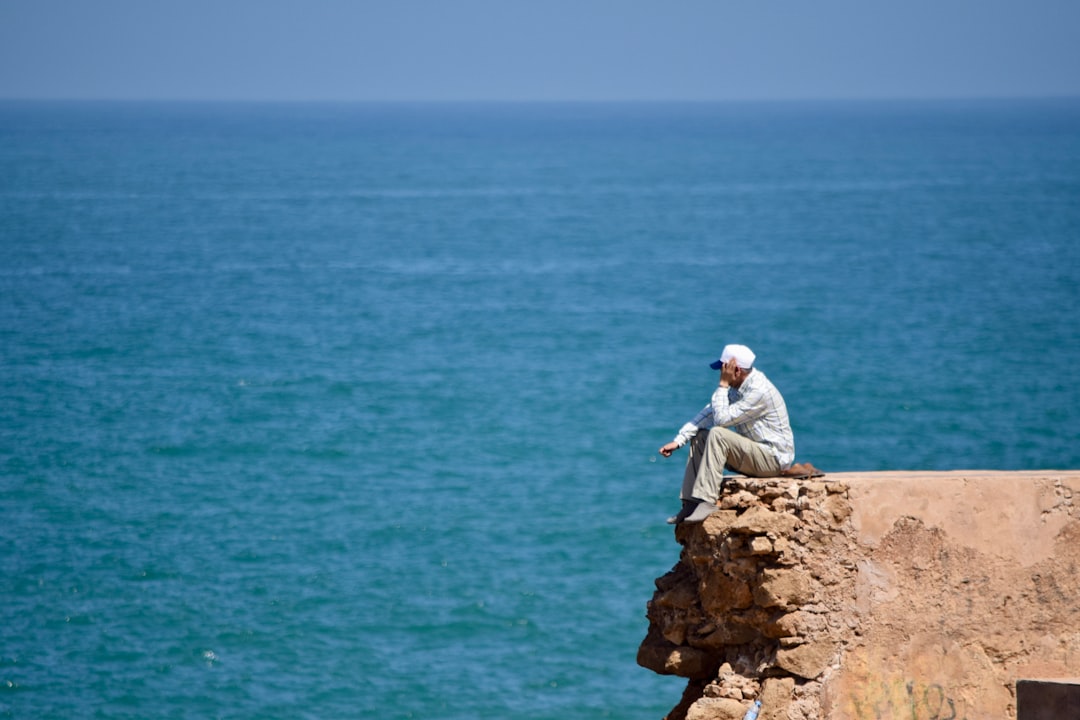
Last reviewed: September 2026 · key facts checked against Wikidata
Rabat Travel Guide: Everything You Need to Know (2026)
Rabat, Morocco’s capital city, sits on the Atlantic coast at 87 metres above sea level with a population of 515,619 — making it the country’s seventh-largest city yet arguably its most liveable. Founded as a fortified ribat in the 12th century under the Almohad dynasty, it became the administrative capital in 1912 during the French Protectorate. Unlike frenetic Marrakech, Rabat rewards travellers with a UNESCO-listed medina, royal palaces, and Andalusian gardens without the relentless tourist hustle.
Three Things Not to Miss in Rabat
- Kasbah of the Udayas — A 12th-century ocean-facing fortress with blue-and-white alleys and an Andalusian garden — one of Morocco’s most photogenic medinas.
- Hassan Tower & Mausoleum of Mohammed V — An unfinished 12th-century minaret standing 44 metres tall beside a breathtaking royal mausoleum open to non-Muslims.
- Chellah Necropolis — A Roman-then-Merinid walled complex where storks nest on minarets above a sunken garden — entry costs just DH 70.
Scroll down for our complete travel guide with tips on getting there, where to stay, costs and more.
Arriving in Rabat: Airport & Transfers
How do I get to Rabat from abroad or from within Morocco?
Fly into Rabat–Salé Airport (RBA) or Casablanca Mohammed V (CMN) — both work well. In my experience, most international connections route through CMN, which has far more long-haul flights. From CMN, the Al Boraq high-speed train reaches Rabat-Agdal station in roughly 45 minutes and costs around DH 110 in second class — the single best airport-to-city transfer in Morocco. From RBA, taxis to the city centre take 20 minutes and cost roughly DH 60. What surprised me: almost no one mentions that CMN-to-Rabat by train beats a direct Rabat flight on convenience and cost combined.
Which airport is closest to Rabat?
Rabat–Salé Airport (RBA) is the nearest airport, sitting just 10 km northeast of the city centre. It handles mainly domestic routes plus a handful of European charter flights. In my experience, RBA is refreshingly uncrowded — arrival and exit take under 20 minutes total. However, the honest caveat: RBA has severely limited international connections, so most travellers flying from Europe or beyond will find Casablanca Mohammed V Airport (CMN), 90 km south, offers far more routes and better fares. I recommend checking both airports before booking — the train transfer from CMN is painless.
How long does the journey from Casablanca to Rabat take?
By Al Boraq high-speed train from Casablanca Casa Voyageurs to Rabat-Agdal, the journey takes 45 minutes and costs DH 110 second class. By regular ONCF train it’s around 80 minutes for DH 45. My tip: book Al Boraq tickets on the ONCF app — seats sell out on Friday afternoons and Sunday evenings when locals travel between the two cities. By car via the A1 motorway, expect 60–90 minutes depending on Casablanca traffic, plus DH 40 in tolls. The train wins every time — parking in Rabat’s centre is a genuine headache.
Are there direct bus connections to Rabat from other Moroccan cities?
Yes — CTM and Supratours both serve Rabat’s Kamra bus station (near the train station) with direct routes from Fez (3 hours, DH 80), Marrakech (4 hours, DH 120), Tangier (4 hours, DH 90), and Agadir (8 hours, DH 200). In my experience, CTM coaches are the more reliable operator with functioning air conditioning — important in summer. The honest trade-off: buses drop you at Rabat’s Kamra station, which is a DH 15 taxi from the medina. Book CTM tickets online at least 48 hours ahead for weekend travel — seats disappear fast on the Marrakech route.
Getting Around Rabat
Do I need a rental car to explore Rabat?
No — Rabat’s compact layout makes a car unnecessary and frankly inconvenient. The medina, Kasbah of the Udayas, Hassan Tower, and Agdal gardens are all within 2 km of each other and fully walkable. City taxis (petits taxis, blue in Rabat) cost DH 10–20 per short trip with the meter running. The Rabat–Salé tramway (Line 1 and Line 2) covers suburbs efficiently for DH 6 per ride. My tip: only rent a car if you plan day trips to Moulay Bousselham wetlands or the Cascades d’Ouzoud — destinations where public transport is genuinely impractical.
What are the best areas to stay in Rabat?
I recommend three distinct zones depending on your style. The Medina and Kasbah area puts you inside the UNESCO-listed old city — atmospheric, walkable, but noisy after midnight. Agdal is the upscale residential neighbourhood with excellent cafes, restaurants, and reliable WiFi hotspots — my personal favourite for a comfortable stay. Hassan sits centrally, close to the Mausoleum of Mohammed V and the train station, ideal for business travellers. Avoid the Akkari district if you want walkability — it requires taxis for most sightseeing. What surprised me: even budget guesthouses in the medina are cleaner and quieter than equivalent Marrakech options.
What does accommodation cost per night in Rabat?
Budget guesthouses (riads) in the medina run DH 200–400 per night for a double room. Mid-range hotels in Agdal or Hassan charge DH 500–900 — expect air conditioning, reliable hot water, and breakfast included. Upscale options like the Sofitel Rabat Jardin des Roses start at DH 1,800 per night. My tip: riads in the medina offer better character per dirham than chain hotels, but confirm Wi-Fi speeds before booking if you work remotely. The honest caveat: prices spike 30–40% during official state visits and the Mawazine music festival in May — check the calendar before you book.
How far in advance should I book accommodation in Rabat during high season?
Book at least 3 weeks ahead for April–June and September visits. During the Mawazine World Rhythms Festival (typically late May, drawing over 2.5 million attendees across greater Rabat), book 2–3 months in advance — even budget guesthouses sell out. In my experience, the Agdal neighbourhood fills faster than the medina because local business travellers and diplomats prefer it. July and August are surprisingly manageable — Moroccan domestic tourists mostly head to coastal towns like Asilah rather than Rabat. For February and March, same-week bookings are usually fine.
Where to Stay in Rabat
Are there special or unique accommodation types in Rabat?
Rabat’s medina riads are genuinely special — traditional courtyard houses converted into guesthouses, many with rooftop terraces facing the Atlantic. Unlike Fez or Marrakech, Rabat’s riads tend to be owner-operated rather than corporate, so service feels personal. My top pick: Dar El Kebira on Rue de la Mosquée in the medina offers Atlantic views and traditional zellij tilework for around DH 600 per night. One experience genuinely unique to Rabat: guesthouses inside the Kasbah of the Udayas — you sleep inside a 12th-century fortress. Honest caveat: these kasbah properties have steep, narrow staircases — not suitable for heavy luggage or mobility limitations.
What are the must-see sights in Rabat?
Three sights are non-negotiable. The Hassan Tower (Tour Hassan) — a 44-metre unfinished minaret from 1195 paired with the stunning Mausoleum of Mohammed V — is the city’s defining monument and free to enter. The Kasbah of the Udayas rewards two hours of wandering its blue-and-white lanes down to the Bouregreg River mouth. The Chellah Necropolis (DH 70 entry) layers Roman Sala Colonia ruins beneath Merinid tombs — storks nest on the minarets from February to August. What surprised me: the National Museum of Archaeology on Rue Brihi is world-class and almost always empty — Roman artefacts from Volubilis displayed without a single crowd.
What can I experience for free in Rabat?
Quite a lot — the Mausoleum of Mohammed V and the Hassan Tower esplanade are free and rank among Morocco’s finest monuments. Walking the Kasbah of the Udayas alleys costs nothing; the Andalusian Garden inside the kasbah is free. The Rabat Medina souks along Rue des Consuls require zero entry fee and are far less pressure-selling than Marrakech equivalents. My tip: the Corniche des Oudayas — a riverside promenade between the Atlantic and the Bouregreg — is Rabat’s best free sunset spot. The honest caveat: the National Museum of Archaeology charges DH 20, but the Mohammed VI Museum of Modern and Contemporary Art costs DH 100 — budget accordingly.
Which day trips from Rabat are most worthwhile?
Salé is the easiest — a 5-minute tram or ferry crossing across the Bouregreg River brings you to a working medina that tourism has largely skipped. Moulay Bousselham lagoon is 110 km north and spectacular for flamingo watching between November and March — rent a car for this. Volubilis Roman ruins (200 km, Morocco’s best-preserved Roman city) pairs with Moulay Idriss and Meknes in a single long day by rental car or organised tour from Rabat for roughly DH 350 per person. In my experience, Asilah (170 km north, whitewashed Atlantic fishing town) is the most underrated day trip — go on a Tuesday for the weekly market.
Rabat Highlights & Must-Sees
What local specialities should I try in Rabat?
Rabat’s kitchen is Atlantic Moroccan — fish-forward and less sweet than Marrakech cuisine. Must-try: chraime (spiced fish tagine with tomato and paprika) at any seafood restaurant near the Kasbah des Oudayas. Briouates (fried pastry triangles filled with seafood or cheese) from medina bakeries cost DH 3–5 each. The Rabat version of pastilla uses pigeon or fish rather than the Fez chicken-almond standard — try it at Le Dhow, the restaurant boat moored on the Bouregreg. My tip: breakfast in a local café — msemen (layered flatbread) with argan honey and atay (mint tea) costs DH 15–20 and beats any hotel breakfast at double the price.
What makes Rabat unique compared to other Moroccan cities?
Rabat is the only Moroccan city that functions simultaneously as a royal capital, a working diplomatic hub, and a UNESCO World Heritage site — inscribed in 2012 as a ’Modern Capital and Historic City.’ It has the medina authenticity of Fez without the tourist fatigue, the Atlantic coastline of Essaouira without the wind, and the sophistication of Casablanca without the chaos. In my experience, Rabat’s residents — a mix of government officials, diplomats, and university students — are the most cosmopolitan and least pushy of any Moroccan city. What surprised me: the Bouregreg Marina development has created a genuinely enjoyable waterfront that feels more Lisbon than North Africa.
How many days do I need to properly experience Rabat?
2 full days cover the core sights comfortably; 3 days let you breathe and add a day trip. Day 1: Hassan Tower, Mausoleum, Chellah in the morning, Medina souks and Rue des Consuls in the afternoon, sunset at the Kasbah of the Udayas. Day 2: National Museum of Archaeology, ferry to Salé medina, evening at the Bouregreg Marina. Day 3: day trip to Salé’s sights or Volubilis ruins. My honest caveat: Rabat is often dismissed as a transit stop, but travellers who give it only half a day leave wishing they’d stayed longer. It genuinely rewards slow exploration more than a checklist approach.
What is the best time of year to visit Rabat?
April, May, September, and October are ideal — temperatures hover between 18–24°C, Atlantic breezes keep humidity low, and crowds are manageable. Climate data confirms April–September as the best travel window. June–August sees temperatures reach 28–30°C but rarely the brutal heat of inland Moroccan cities — the Atlantic moderates everything. I recommend May specifically for the Mawazine festival if you enjoy world music, but book accommodation 3 months out. Avoid January and February if you dislike grey Atlantic overcast days — Rabat winters are mild (12–15°C) but lack sunshine, which flattens the outdoor sightseeing experience considerably.
Eating & Drinking in Rabat
Are there local festivals in Rabat worth attending?
Mawazine — Rhythms of the World is Rabat’s headline event, held annually in May and consistently drawing over 2.5 million attendees across 10 days. International headliners perform at the OLM Souissi outdoor stage, and many evening concerts are free. In my experience, the free stages along the Bouregreg are the most atmospheric — local gnawa and chaabi music until 2am. Rabat International Fashion and Traditional Dress Festival (October) showcases Moroccan textile craft in a genuinely non-touristy context. The honest caveat: Mawazine creates serious traffic gridlock and accommodation shortages city-wide — arrive by train, not car, and book hotels near Agdal station.
How does Rabat’s weather affect what activities I can do?
Rabat’s Atlantic climate means outdoor sightseeing is viable 10 months of the year. Summer heat peaks at 30°C — morning visits to the Chellah and Hassan Tower before 10am avoid the worst. The Bouregreg river beach and Plage de Rabat (the city beach north of the Kasbah) are swimmable June–September with water temperatures around 19–22°C. Winter months bring Atlantic swells that make the beach atmospheric but cold for swimming. My tip: the Andalusian Garden inside the Kasbah is most beautiful in April when roses and jasmine bloom simultaneously. What surprised me: even December in Rabat allows full-day outdoor exploration — it rarely rains for more than a few hours at a stretch.
How crowded does Rabat get in peak season compared to Marrakech or Fez?
Considerably less crowded — Rabat receives a fraction of the tourist volume of Marrakech (which recorded over 4 million visitors in 2023). Even in July and August, the Kasbah of the Udayas and Chellah feel relaxed rather than overwhelmed. The medina souks on Rue des Consuls see local shoppers outnumber tourists on most days. In my experience, the biggest crowds in Rabat come from Moroccan domestic tourism and diplomats rather than European package tourists — which completely changes the atmosphere. The honest caveat: Mawazine festival weeks in May are the single exception — the city genuinely strains under 2.5 million visitors and accommodation becomes scarce and expensive.
How safe is Rabat for tourists?
Rabat is Morocco’s safest major city for tourists — the presence of the royal palace, parliament, and dozens of embassies means security is taken seriously. Petty theft like pickpocketing occurs near the Medina souk entrances and around Mohammed V Square — keep phones in front pockets. In my experience, solo female travellers find Rabat significantly more comfortable than Marrakech or Casablanca — unsolicited harassment is notably lower. The Agdal, Hassan, and Hay Riad neighbourhoods are completely safe at any hour. Honest caveat: Salé, across the river, has rougher neighbourhoods away from the medina — stick to the main tourist circuit and take a petit taxi back to Rabat after dark.
Practical Tips for Rabat
Is English widely spoken in Rabat?
Better than most Moroccan cities, but French remains the dominant second language. In Agdal restaurants, upscale riads, and around the Mohammed VI Museum, English is spoken confidently. University students — abundant around Université Mohammed V — often speak good English. In the medina souks and with petit taxi drivers, French or basic Arabic phrases get you much further. My tip: download the Google Translate Moroccan Arabic offline pack before arriving — even approximating a greeting in Darija (’labas?’ meaning ‘are you well?’) earns genuine warmth. The honest caveat: government offices and mid-range restaurants outside Agdal operate almost entirely in French — a phrasebook pays dividends.
What is a realistic daily budget for visiting Rabat?
Budget traveller: DH 300–400/day covers a medina guesthouse, local café meals (a cheap meal costs around DH 42, equivalent to ~$4.3 USD), and petit taxi hops. Mid-range: DH 700–1,000/day buys a quality Agdal hotel, one sit-down restaurant dinner (mid-range dinner for two ~DH 76, equivalent to ~$7.74 USD per Numbeo data), museum entries, and a day trip. Comfortable: DH 1,500+/day unlocks the Sofitel tier, fine dining on the Bouregreg Marina, and private tours. Local transport is remarkably cheap — tram rides cost DH 6 (~$0.54 USD). My tip: Rabat runs noticeably cheaper than Marrakech at every budget tier, with better quality food at the lower end.
How does public transport work in Rabat?
Rabat has two tramway lines — Line 1 (east-west, connecting Rabat to Salé) and Line 2 (north-south through Agdal and Hay Riad) — both clean, frequent, and costing DH 6 per ride. Petits taxis (blue, metered) cover shorter city hops for DH 10–20 — always insist on the meter. The Rabat–Salé ferry across the Bouregreg costs DH 2 and is a genuine local experience. Intercity trains from Rabat-Ville and Rabat-Agdal stations connect to Casablanca, Fez, and Marrakech via ONCF. My tip: download the ONCF app for train bookings and use InDriver (widely available in Rabat) for reliable metered rides when taxis are scarce at night.
Which apps do you recommend for navigating and getting the most out of Rabat?
ONCF app is essential for booking trains to Casablanca, Marrakech, and Fez — available in French and Arabic, seats book up fast on weekends. InDriver functions as a rideshare alternative to taxis and is widely used in Rabat — set your price and drivers accept or counter. Maps.me with Morocco offline maps is more reliable than Google Maps in the medina’s narrow alleys. Google Translate with Moroccan Arabic and French offline packs handles menus and signage. My tip: join the Rabat Expats Facebook group — it’s active, English-language, and locals post real-time event listings and restaurant recommendations that no travel blog captures within 6 months of happening.
Rabat at a Glance
| Population | 515,619 |
|---|---|
| Currency | Moroccan dirham (DH) |
| Official language | Arabic, Standard Moroccan Tamazight |
| Time zone | UTC+01:00 |
Source: Wikidata, retrieved September 2026.
Morocco › Rabat
More Destinations in Atlantic Coast
More Destinations in Morocco
Essential Resources for Planning Your Trip to Rabat
- Travel info – Getting around Morocco — official visitor information, passes & events
- Wikipedia: Rabat — history, geography & background
- Wikivoyage: Rabat — community travel guide & practical tips
- Rabat travel – Lonely Planet | Morocco, Africa — expert itineraries & travel inspiration
- THE 15 BEST Things to Do in Rabat (2026) — hotels, restaurants & traveller reviews
- Rabat, Morocco — how to get around
- Numbeo: Cost of Living in Rabat — current prices & cost comparison
- Timeanddate: Rabat Weather & Climate — forecasts & climate statistics
More Perspectives on Rabat
- Best things to do in Rabat, Morocco (+ map & tips)
- Things to Do in Rabat: A Local Travel Guide to Morocco’s …
- The inside guide to Rabat, Morocco’s underrated capital
Rabat Travel Videos
Watch these videos for a visual preview before your trip:
- Rabat Morocco: 7 Best Things to Do In Rabat Morocco
- 8 Incredible Things To Do In Rabat, Morocco
- Top 10 Best Things to Do in Rabat, Morocco [Rabat Travel Guide 2024]
Rabat Travel Discussions on Reddit
Real traveller experiences and community advice:
- Is Rabat all that? : r/Morocco
- Rabat (Morocco) worth visiting for a weekend trip?
- Going to Rabat — travel tips? : r/Morocco
Data Sources
This page was compiled using data from Wikipedia, Wikidata, Open-Meteo (climate), Numbeo (cost of living) and REST Countries. Information is updated regularly.