
Zamora: The Complete Travel Guide (2026)
Last reviewed: October 2026 · key facts checked against Wikidata
Zamora Travel Guide: Everything You Need to Know (2026)
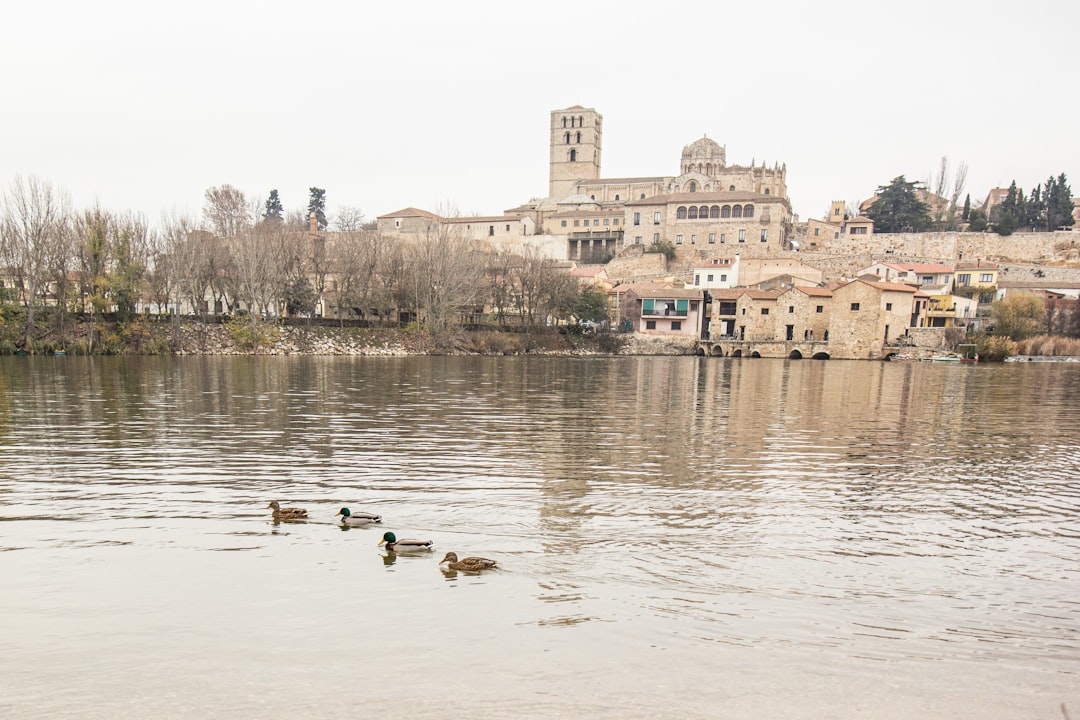
Zamora is a compact Castilian city of roughly 62,000 inhabitants sitting on the banks of the Duero River at 650 metres altitude, founded as a Roman settlement and later fortified into one of Spain’s most fought-over medieval strongholds. It holds the world record for the highest concentration of Romanesque churches per square metre — 23 within walking distance of each other — yet it remains genuinely off the radar for most international tourists. The nearest major hub is Valladolid, just 97 km to the northeast.
Top 3 Highlights at a Glance
- Zamora Cathedral and its Byzantine Dome — The 12th-century cathedral’s unique Byzantine-Romanesque dome with fish-scale stone tiles is found nowhere else in Spain.
- Semana Santa Processions — Zamora’s Holy Week is declared of International Tourist Interest, featuring 16 brotherhoods processing through medieval streets.
- Castillo de Zamora and Duero River Views — The 10th-century hilltop castle offers a panoramic 360° view over the Duero River gorge and the old city walls.
Scroll down for our complete travel guide with tips on getting there, where to stay, costs and more.
Arrival & Airport
How do I best get to Zamora?
Take a direct train from Madrid’s Chamartín station — the fastest option at 2 hours 15 minutes. In my experience, the Alvia high-speed service runs up to 5 times daily and costs around €25–€40 booked in advance on Renfe. From Valladolid, regional trains cover the 97 km in under an hour for roughly €8. Driving from Madrid via the A-6/AP-6 motorway takes about 2.5 hours. What surprised me: there is no airport in Zamora itself, and bus connections from Madrid are slower than the train with no speed advantage whatsoever.
Which airport is closest to Zamora?
Valladolid Airport (VLL) is the closest at roughly 95 km, but in my experience, it handles very few international routes and is rarely a practical choice. I recommend flying into Madrid Barajas (MAD), which is 250 km away but connected by fast, frequent trains. From Barajas you take the Cercanías C1 to Chamartín station in 25 minutes, then board a direct Alvia to Zamora. My tip: budget €50–€80 total for the combined airport-to-city journey including metro and train. The caveat most guides skip: Porto Airport (OPO) in Portugal is also around 250 km and worth considering if you plan a cross-border itinerary.
How long does the journey to Zamora take from Madrid?
The fastest door-to-door journey from central Madrid to central Zamora takes 2 hours 30 minutes total. The Alvia train from Chamartín runs the route in 2 hours 15 minutes; add 15 minutes to walk between Zamora’s station and the old town. Driving the AP-6 and A-6 motorways takes around 2 hours 30 minutes without traffic, but Madrid’s notorious exit congestion can add 45 minutes during Friday evenings. My honest warning: renting a car for the Madrid–Zamora leg alone is pointless — parking inside Zamora’s historic centre on narrow medieval streets is genuinely stressful and €15–€20 per day in paid garages.
Do I need a car to get around Zamora?
No — the historic centre of Zamora is entirely walkable in under 20 minutes end to end. In my experience, a car is a liability inside the old city, where streets are stone-cobbled and often one-way or pedestrianised. The 23 Romanesque churches are clustered within a radius of roughly 800 metres. My tip: if you plan day trips to Lago de Sanabria (80 km north) or the wine villages of Toro (33 km east), then hiring a car for one specific day from Europcar or Hertz near the train station — expect €35–€55 per day — makes sense. Do not arrive by car expecting easy parking near the Cathedral.
City Transport
What are the best areas to stay in Zamora?
Stay inside the Casco Histórico — the walled old city east of the Duero — to be within walking distance of all 23 Romanesque churches, the Cathedral, and the Castle. The streets around Plaza Mayor and Calle Santa Clara have the densest concentration of restaurants and tapas bars. In my experience, the neighbourhood of La Horta just below the castle walls is quieter and more residential — excellent if you prefer peaceful nights. Avoid the modern commercial district around Avenida de las Tres Cruces unless you are on a very tight budget; it has no character and is a 25-minute walk from the sights.
What does accommodation cost per night in Zamora?
A solid 3-star hotel in Zamora’s old town runs €65–€95 per night for a double room. The landmark Parador de Zamora, a converted 15th-century palace on Plaza de Viriato, costs €120–€180 per night and is genuinely worth the splurge for one night. Budget guesthouses (pensiones) near Plaza Mayor start at €35–€50. In my experience, Zamora is 30–40% cheaper than Salamanca for equivalent quality, which surprises most visitors. My honest caveat: avoid booking the cheapest options on Booking.com without checking exact location — several cheap hotels are in the modern suburb across the ring road, not in the historic core.
How far in advance should I book accommodation in Zamora during high season?
Book at least 8–10 weeks ahead for July and August, and a full 6 months ahead for Semana Santa (Holy Week, late March or April). In my experience, the Parador de Zamora sells out for Semana Santa within days of the reservation window opening — I once tried to book 3 months out and it was already full. The city has fewer than 800 hotel beds in the historic centre, which means even modest demand creates shortages. For June and September, 3–4 weeks in advance is usually sufficient. What most guides omit: the week of the Corpus Christi festival in June also fills up fast and prices jump 25%.
Are there special or unique accommodation types in Zamora?
The Parador de Zamora on Plaza de Viriato is the standout — a 15th-century palace of the Counts of Alba and Aliste converted into a state-run luxury hotel, with a Renaissance courtyard and suits of armour in the corridors. In my experience, staying here for even one night completely changes how you experience the city. A handful of rural casas rurales exist just outside the walls in the Valorio area for around €60–€80, ideal for longer stays. My tip: look for apartments on Airbnb within the walled city — several occupy restored 18th-century townhouses with exposed stone walls and cost €70–€100 per night for two people, beating most hotels on space and atmosphere.
Accommodation & Neighbourhoods
What are the must-sees in Zamora?
The Cathedral of Zamora (1151–1174) with its unmistakable Byzantine dome is the non-negotiable anchor of any visit. The Castillo de Zamora offers the best views of the Duero gorge and is free to enter. The Museo de Semana Santa on Plaza de Santa María la Nueva houses the original processional floats (pasos) and is one of the most emotionally powerful museums I have visited in Spain — entry is €3. Do not skip San Pedro de la Nave, a 7th-century Visigothic church 20 km outside the city that was physically moved stone by stone in 1932 to save it from a reservoir — I find it more impressive than anything in the city centre.
What can I experience for free in Zamora?
Zamora rewards walkers who simply wander. The entire medieval wall circuit along the Duero bluffs is free and takes about 45 minutes at a leisurely pace. All 23 Romanesque churches can be admired from outside for free; most allow free entry during morning Mass (usually 9:00–10:00). The Castillo de Zamora grounds and outer battlements are free. In my experience, the best free activity is walking the Ruta del Románico, the self-guided path linking the churches — pick up the printed map at the tourist office on Calle Santa Clara at no charge. My tip: the riverside promenade below the Puente de Piedra at sunset is genuinely spectacular and completely free.
Which day trips from Zamora are worth it?
Toro (33 km east, 30-minute drive) is my top recommendation — a wine town with its own extraordinary Romanesque collegiate church and Denominación de Origen Toro bodegas offering tastings for €5–€10. Lago de Sanabria (80 km north) is Spain’s largest glacial lake at 1,000 metres altitude and strikingly beautiful — allow a full day. Salamanca (62 km south) is famous for its university and golden sandstone Plaza Mayor and easily done in 2 hours by car or bus. My honest caveat: the bus to Salamanca takes 1 hour 15 minutes and runs frequently, but services to Lago de Sanabria are infrequent — a car is strongly recommended for that trip.
What local specialities should I try in Zamora?
Bacalao a la tranca — salt cod cooked with garlic, paprika, and olive oil — is Zamora’s signature dish and I have never eaten a better version of it than at Restaurante Serafín on Plaza del Maestro. Puchero zamorano, a chickpea and pork stew, is the winter staple. The wines of DO Toro made from old-vine Tempranillo (Tinta de Toro) are world-class and a glass costs just €2–€3 in local bars. In my experience, the tapas bar culture on Calle Los Herreros is extraordinary — most bars give a free tapa with every drink, a custom that has largely vanished in Madrid and Barcelona.
Highlights & Must-Sees
What makes Zamora unique compared to other Spanish cities?
Zamora has the highest concentration of Romanesque architecture of any city in the world — 23 Romanesque churches within a 1 km radius, a fact even most Spaniards do not know. In my experience, what makes it uniquely moving is that it is not a museum piece: locals actually attend Mass in these 12th-century buildings every morning. Unlike Salamanca or Toledo, Zamora has almost no international tour groups — you genuinely share the old town with locals buying bread and walking dogs. The Semana Santa here is considered more emotionally raw and authentic than Seville’s famous version, involving genuine neighbourhood brotherhoods rather than a spectacle designed for tourists.
How many days are worthwhile in Zamora?
2 full days cover the essential historic centre thoroughly. In my experience, 3 days is the sweet spot: Day 1 for the Cathedral, Castle, and Ruta del Románico; Day 2 for the Museo de Semana Santa, riverside walk, and evening tapas on Calle Los Herreros; Day 3 for a day trip to Toro wineries or San Pedro de la Nave. A single day is possible as a side trip from Salamanca or Valladolid but you will feel rushed. My honest caveat: Zamora is small enough that a fourth day risks running out of things to do unless you are genuinely passionate about Romanesque art or wine touring in the surrounding comarca.
When is the best time to visit Zamora?
June, July, August, and September are the best months based on climate analysis, with long sunny days and temperatures averaging 25–32°C. In my experience, late September is the single best week — the summer crowds (modest as they are) have gone, harvest season fills the market, and the Duero light is extraordinary. Semana Santa (March or April) is unmissable if you can plan around it — Zamora’s Holy Week processions are declared of International Tourist Interest. My honest warning: July and August can see inland heat spikes above 38°C in the city streets — the stone buildings retain heat and afternoons become uncomfortable; plan sightseeing before noon and after 6 pm.
What festivals in Zamora are worth attending?
Semana Santa is the unmissable event — 16 brotherhoods process through the medieval streets in silence over 8 nights, beginning Palm Sunday. It is declared of International Tourist Interest and genuinely unlike anything I have seen elsewhere in Spain. Corpus Christi in June sees the Cathedral chapter process through streets carpeted with thyme and rosemary — the scent alone is unforgettable. In August, the Feria y Fiestas de San Pedro (late June) fills Plaza Mayor with live music and regional food stalls. My tip: the smaller Fiesta de la Vendimia grape harvest festival in Toro (September, 33 km away) pairs perfectly with a Zamora visit and includes free bodega tastings.
Food & Drink
How does the weather in Zamora affect what activities are possible?
Zamora sits on the high Castilian plateau at 650 metres, which means sharp seasonal contrasts. In my experience, winters (December–February) are genuinely cold — 2–6°C — with occasional frost; outdoor sightseeing is possible but you need a serious coat for the exposed riverside walk. Spring brings unpredictable rain but lush green on the Duero banks. Summer heat above 35°C makes midday exploration punishing — I always start walking by 8 am and retreat for a long lunch between 2–6 pm. The Romanesque churches offer cool stone interiors year-round. My caveat: Zamora’s flat city layout means there is almost no shade on the main streets — a hat and water bottle are non-negotiable in July and August.
How crowded does Zamora get in peak season?
By international standards, Zamora barely registers as crowded — even in August, the Cathedral forecourt never feels overwhelmed the way Toledo or Segovia do. In my experience, the busiest single moment of the year is Good Friday night during Semana Santa, when around 40,000 people line the processional route in a city of 62,000. Hotel beds sell out months in advance during that week. In summer, Spanish domestic tourists fill the tapas bars on Friday and Saturday nights but sightseeing remains relaxed. My honest assessment: if you find Zamora crowded on a Tuesday in July, I suggest recalibrating your expectations — this is genuinely one of the least tourist-saturated historic cities in Spain.
How safe is Zamora for travellers?
Zamora is extremely safe — petty crime rates are among the lowest of any Spanish city its size. In my experience walking the old town at midnight alone, the biggest risk was tripping on medieval cobblestones. The city has virtually no pickpocketing problem because it has very few dense tourist crowds where such crime thrives. The Casco Histórico and riverside promenade are well-lit and regularly patrolled. My honest caveat: the train station neighbourhood around Avenida de las Tres Cruces is perfectly safe but dull and uninviting at night — stick to the walled city after dark. Emergency services: the nearest Hospital Virgen de la Concha is inside the city, 5 minutes by taxi.
Is English widely spoken in Zamora?
English is spoken at hotels, the tourist office on Calle Santa Clara, and the Parador, but do not expect it in neighbourhood tapas bars or small shops. In my experience, Zamora is far less anglophone than Salamanca or Madrid — locals genuinely appreciate even basic Spanish phrases. The staff at the Museo de Semana Santa speak limited English but have excellent bilingual printed guides. My tip: download Google Translate with Spanish offline and use the camera function for menus — most small bars only have handwritten chalkboard menus in Castilian Spanish. The honest trade-off: the language barrier is part of what keeps Zamora authentic and tourist-lite, so embrace it rather than resist it.
Practical Tips
What is the daily budget for travelling in Zamora?
Budget travellers can manage comfortably on €55–€70 per day including a pensión bed (€40), set lunch menu del día (€10–€13), breakfast (€3), and evening tapas (€8–€12 for 3 rounds of drinks plus free tapas). Mid-range travellers spending €100–€140 per day can stay at a 3-star hotel in the old town, eat a proper restaurant dinner, and cover all museum entries. In my experience, Zamora is the best-value historic city in Castile — a full three-course menú del día with wine costs €12–€14, which is almost impossible to find in Salamanca or Segovia. My caveat: budget extra €15–€25 per day if you plan wine tastings in the Toro region.
How does public transport work within Zamora?
Inside Zamora’s historic centre, there is effectively no need for public transport — everything is within a 15-minute walk. The city has a local bus network (AUVASA) with single tickets at €1.10, but routes serve the modern residential suburbs rather than the old town. In my experience, I never once used a city bus during 4 days in Zamora. Taxis are available at Plaza Mayor and cost €5–€8 for cross-city trips. For day trips, ALSA buses connect Zamora to Salamanca (€6–€8, 75 minutes) and Valladolid from the bus station on Avenida Alfonso Peña. My tip: the train station is only a 20-minute walk or €5 taxi from the Cathedral.
Which apps do you recommend for visiting Zamora?
Renfe app is essential for booking and managing train tickets — book at least 2 weeks ahead for the best €25–€30 Alvia fares from Madrid. Google Maps works reliably throughout the city, though I prefer Maps.me downloaded offline as a backup in the old town’s narrow streets where signal drops. The Semana Santa de Zamora official app (free, iOS and Android) provides real-time procession routes and brotherhood schedules during Holy Week — genuinely useful. TheFork (ElTenedor) lists Zamora restaurants with reviews and occasional 30% discount slots at mid-range places. My tip: download the Patrimonio Románico PDF guide from the Zamora tourism website before arriving — it is better than any paid guidebook for the Romanesque circuit.
What are common traveller mistakes when visiting Zamora?
The biggest mistake is treating Zamora as a half-day stop between Salamanca and Valladolid — you need at least 2 nights to absorb it properly. In my experience, travellers skip San Pedro de la Nave (20 km away, free entry) because it requires a car, and it is the single most extraordinary pre-Romanesque building in Spain. Another mistake: eating near the Cathedral on tourist-menu streets — walk 3 minutes to Calle Los Herreros or Calle Herreros for genuine local tapas bars where wine and a tapa costs €2. My final warning: arriving without a reservation during Semana Santa is a costly error — accommodation within 50 km sells out, and prices triple. Book 6 months ahead or choose a different week entirely.
More Destinations in Europe
Explore our complete travel guides for more Europe destinations: Toulouse Travel Guide (2026), Carcassonne Travel Guide (2026), Île de Houat Travel Guide (2026), Île de Frioul Travel Guide (2026), Amsterdam Travel Guide (2026).
Zamora at a Glance
| Currency | EUR (€) |
|---|---|
| Official language | Spanish |
| Time zone | UTC+01:00 |
Source: Wikidata, retrieved October 2026.
Useful Resources for Planning Your Trip to Zamora
- Wikipedia: Zamora — history, geography and background
- Lonely Planet: Zamora — itineraries and travel inspiration
- TripAdvisor: Zamora — hotels, restaurants and traveller reviews
🎥 Zamora Travel Videos

What Makes Zamora the Most Underrated Destination in SPAIN?
Spain Speaks
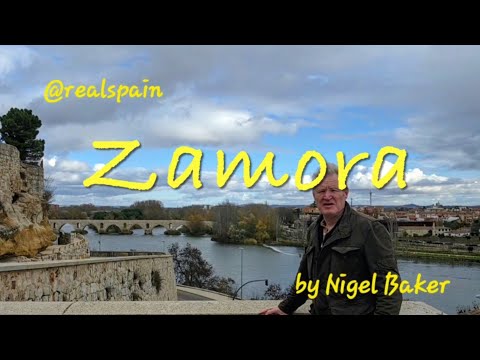
Zamora City Guide – @realspain by Nigel Baker
Real Spain – Travel with Baker
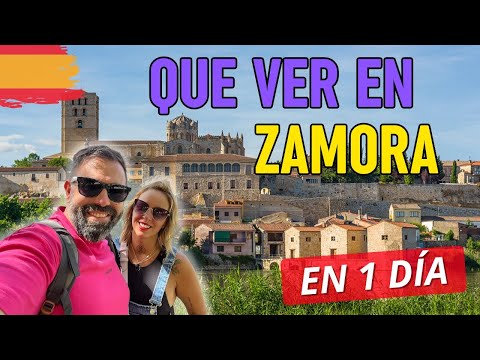
ZAMORA 🏰 in 1 Day: What to See, Where to Go, and Travel Tips.
Rumbo Wanderlust
You are currently viewing a placeholder content from Vimeo. To access the actual content, click the button below. Please note that doing so will share data with third-party providers.
More InformationYou are currently viewing a placeholder content from YouTube. To access the actual content, click the button below. Please note that doing so will share data with third-party providers.
More InformationYou need to load content from reCAPTCHA to submit the form. Please note that doing so will share data with third-party providers.
More InformationYou are currently viewing a placeholder content from GetYourGuide. To access the actual content, click the button below. Please note that doing so will share data with third-party providers.
More Information