
Essaouira: The Complete Travel Guide (2026)
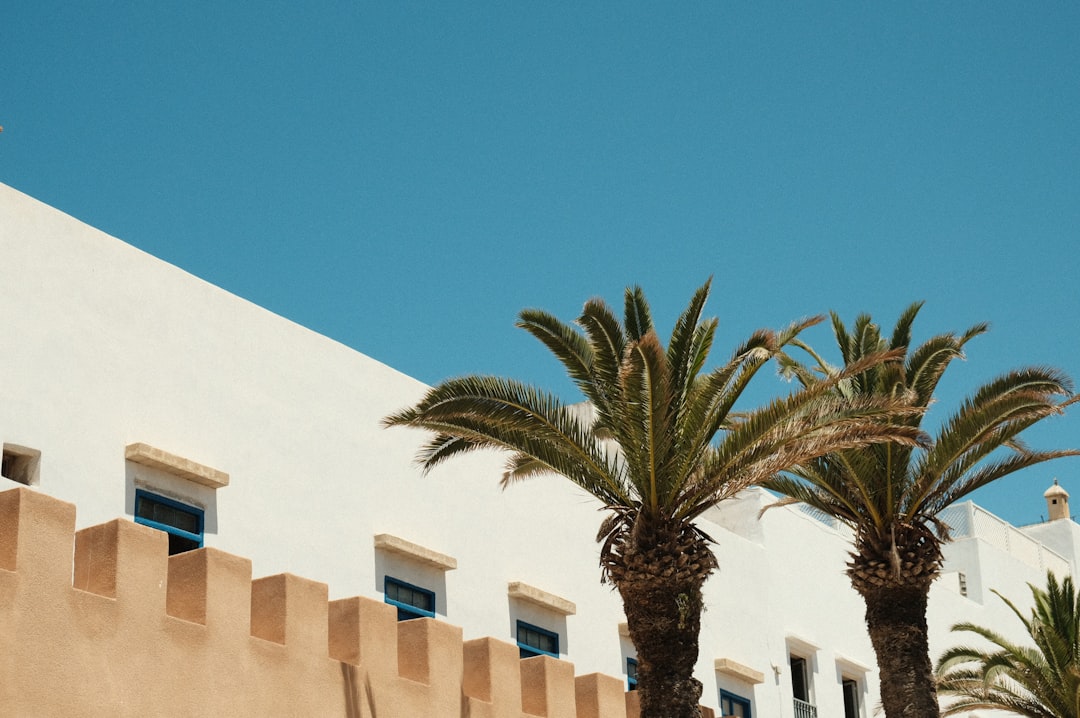
Essaouira Travel Guide: Everything You Need to Know (2026)
Essaouira — formerly called Mogador until the 1960s — is a UNESCO-listed Atlantic port city of 82,962 people perched just 11 metres above sea level on Morocco’s windswept west coast. Founded in its current form in 1765 by Sultan Mohammed III, it sits roughly 170 km west of Marrakech and is famous for hosting the annual Gnaoua World Music Festival, which draws over 450,000 visitors in a single weekend. What surprised me most was how this compact medina manages to feel genuinely lived-in rather than staged for tourists.
Three Things Not to Miss in Essaouira
- Skala de la Ville Ramparts — 18th-century sea bastions lined with bronze cannons offering unobstructed Atlantic views — unmissable at sunset.
- Gnaoua World Music Festival — Annual June festival drawing 450,000+ visitors for free open-air concerts of trance-like Gnaoua music.
- Essaouira Beach (Plage d’Essaouira) — A 10 km windswept Atlantic beach rated one of Africa’s top kitesurfing spots, with consistent 30 km/h winds.
Scroll down for our complete travel guide with tips on getting there, where to stay, costs and more.
How to Reach Essaouira
How do I get to Essaouira?
Fly into **Marrakech Menara Airport (RAK)**, then take a **3-hour CTM bus** — the most reliable option. In my experience, the **CTM coach from Marrakech’s Bab Doukkala bus station** costs around **DH 90–110** and drops you directly at Essaouira’s bus station, a 10-minute walk from the medina. Supratours also runs daily departures and is equally dependable. The honest caveat most guides skip: Essaouira has its own small **Essaouira-Mogador Airport (ESU)**, but scheduled commercial flights are rare and almost always routed through Casablanca with a layover, making the bus from Marrakech faster for most travellers.
Which airport is closest to Essaouira?
**Essaouira-Mogador Airport (ESU)** is technically closest at roughly **15 km** from the medina, but don’t get excited — it handles almost no regular international traffic as of 2026. **Marrakech Menara Airport (RAK)**, located **170 km east**, is your real gateway, with direct flights from London, Paris, Amsterdam, and Madrid. My tip: book RAK, not ESU, unless you find a rare charter. The trade-off is the 3-hour road transfer, but the CTM bus makes it painless. Avoid the private airport taxis at RAK; they open negotiations at **DH 800** for the Essaouira run — settle for no more than **DH 500** if you must take one.
How long does the journey to Essaouira take from Marrakech?
Expect **3 hours by CTM bus** under normal conditions. I recommend the **8:00 a.m. or 10:00 a.m. departures** from Marrakech, which land you in Essaouira before the afternoon Atlantic wind peaks. The road crosses the Jbilet plains and argan forest — genuinely scenic. A grand taxi from **Bab Doukkala** in Marrakech is faster at **2 hours**, but you share it with 5 strangers and wait until it fills. A private transfer runs **DH 450–600**. The warning most guides omit: during the **Gnaoua Festival in June**, journey times can stretch to **4+ hours** due to traffic on the R207 road — book the earliest bus and pre-purchase your ticket online.
Do I need a rental car in Essaouira?
No — Essaouira’s medina is entirely car-free and you will not need a car inside the city. In my experience, 90% of what you want to see is within a **20-minute walk** of Moulay Hassan Square. A car only adds value if you plan day trips to **Cap Sim beach** (30 km south) or the argan cooperative at **Tidzi** (45 km inland). Rental desks operate near the beach boulevard; expect to pay **DH 250–350 per day** for a basic Dacia Duster. The honest caveat: parking around the medina is chaotic, and the blue-zone spots on **Avenue de l’Istiqlal** fill by 9:00 a.m. For a standard Essaouira stay, walking and the occasional petit taxi cover everything.
Essaouira Public Transport Explained
What are the best areas to stay in Essaouira?
I recommend staying **inside the medina**, specifically around **Rue Mohammed Ben Massoud** or the **Bab Marrakech** end — quieter than the port-side lanes but walkable to everything. The medina gives you the full Essaouira experience: call to prayer at dawn, fish market smells, cats on blue-washed steps. The **Ville Nouvelle** (new town) beyond the ramparts is cheaper but characterless — save it only if every riad is booked. Avoid the rooms directly on **Place Moulay Hassan** unless you’re a light sleeper; the square stays loud until midnight. For sea views, the **Skala quarter** near the north bastion has riads with Atlantic-facing terraces that are worth every extra dirham.
What does accommodation cost per night in Essaouira?
Budget travellers can find a clean hostel bed in the medina for **DH 120–180 per night**. A solid mid-range riad — private room, breakfast included, rooftop terrace — runs **DH 450–750**. Design riads like **Riad Le Patio** or **Villa de l’Ô** charge **DH 900–1,400** in high season. What surprised me is how much quality varies at the same price point; always check photos of the actual bathroom, not just the courtyard, because plumbing in some older riads is genuinely bad. A private sea-view room with a wood-burning fireplace (essential in winter) costs **DH 100–150 more** but is worth it from November through March when the Atlantic wind cuts through everything.
How far in advance should I book accommodation in Essaouira during high season?
Book **3–4 months ahead** for Gnaoua Festival week in June — the city’s 450,000 festival visitors swamp roughly 82,000 resident spaces and every riad fills within hours of tickets being announced. For July and August, **6–8 weeks ahead** is safe for mid-range riads. In my experience, shoulder months like **April, May, October, and November** only require **2–3 weeks’ notice** and you will often find better rates by messaging riads directly on WhatsApp rather than booking via a platform, saving the **15% commission** that platforms charge owners and which gets quietly added to your rate. The caveat: Essaouira has very limited accommodation stock — the medina holds maybe 60 operating riads — so don’t gamble on last-minute availability.
Are there special or unique accommodation types in Essaouira?
Yes — **converted Portuguese-era merchant houses** in the medina are Essaouira’s signature stay. These 18th-century riads feature original carved cedar ceilings, central courtyard fountains, and walls thick enough to block the Atlantic gale that defines this city. My tip: look for riads with a **wood-burning hammam** on-site — a private hammam session at your riad costs **DH 150–200** and beats any spa in Marrakech for authenticity. Beyond riads, a handful of **surf and kite camps** operate on the southern beach road toward **Sidi Kaouki** (25 km south), offering bunk-and-breakfast packages from **DH 200** that include equipment rental — perfect if wind sports are your reason for coming. Camping on the beach itself is technically permitted but offers zero shelter from the wind.
Neighbourhoods of Essaouira
What are the must-see sights in Essaouira?
The **Skala de la Ville ramparts** are non-negotiable — walk the full circuit of the 18th-century bastions at sunset when the light turns the cannons bronze. The **port and blue fishing boats** at the southern harbour wall is a 20-minute walk from the medina and shows a working Morocco most tourists skip. **Galerie Damgaard** on Avenue Oqba Ibn Nafia exhibits the Essaouira School of naïve art that put the city on the cultural map in the 1980s. The **medina’s woodworking souks** on Rue de la Skala are genuinely unique — Essaouira craftsmen are renowned across Morocco for thuya wood inlay work. I also strongly recommend the **Jewish heritage trail** through the mellah quarter, where Sephardic synagogues dating to the 18th century sit largely unmarked.
What can I experience for free in Essaouira?
Most of Essaouira’s best experiences cost nothing. Walking the **full rampart circuit** is free and takes **45 minutes**. The **Gnaoua street musicians** perform in **Place Moulay Hassan** year-round at no charge. The **fish auction at the port** (best around **7:00 a.m.**) is chaotic, photogenic, and completely free to watch. The **beach at Plage d’Essaouira** stretches **10 km** with no entrance fee — just bring a windbreaker. The mellah quarter’s alleyways and the **woodworking souks on Rue de la Skala** cost nothing to walk through. The one honest trade-off: the city’s best free attractions are outdoors and Essaouira’s **wind averages 30 km/h** even in summer, so a free beach walk in January can be genuinely punishing. Pack layers even in July.
Which day trips from Essaouira are worth taking?
**Sidi Kaouki** (25 km south) is my top pick — a deserted Atlantic beach with a whitewashed marabout shrine and consistent wind that makes it Africa’s premier kitesurfing spot. **Argan cooperative at Tidzi** (45 km inland on the R207) lets you watch women hand-press argan oil and buy directly at source for **DH 80–100 per 100ml** — roughly half the medina souk price. **Marrakech** is doable in a long day (170 km, 3 hours each way) but genuinely exhausting; I’d only recommend it if you’re not already based there. The **Cap Sim lighthouse** headland (30 km south) offers dramatic cliff scenery and is accessible by grand taxi from **Bab Doukkala** for **DH 40 per seat**.
What are the local food specialities of Essaouira?
Essaouira’s food identity is built on the Atlantic. Order **grilled sardines** at the port-side grills — **DH 20–30** buys a full plate with bread and chermoula. **Calamari tagine with preserved lemon** is the dish locals actually eat, not the tourist menus. The **fish market on the port road** sells fresh catch by weight; hand it to one of the adjacent grill stalls who will cook it for a **DH 10–15 grill fee** — the best value meal in Morocco. For breakfast, find a café serving **msemen** (layered flatbread) with argan oil and honey for **DH 15**. The city’s **thuya wood-smoked fish** is unique to this coast. Skip the overpriced tourist restaurants on Place Moulay Hassan and eat where you see fishing families — specifically the grill row at **Port de Pêche**.
What to See in Essaouira
What makes Essaouira unique compared to other Moroccan cities?
Three things set Essaouira apart from anywhere else in Morocco. First, the **wind** — the city’s constant **30 km/h Atlantic tradewind** makes it genuinely cooler than any other Moroccan city in summer, a rare relief in a country where July regularly hits **40°C inland**. Second, the **artistic identity** — Jimi Hendrix visited in 1969, Orson Welles filmed Othello here in 1952, and the city’s naïve painting tradition has produced internationally exhibited artists since the 1980s. Third, the **Atlantic seafood culture** is wholly different from the lamb-and-couscous menu you find in Fez or Marrakech. What surprised me was how the city’s **Jewish, Berber, Arab, and Portuguese heritage** layers visibly in the architecture — you can read 400 years of history just walking one street.
How many days do I need to properly explore Essaouira?
**3 full days** covers the medina, ramparts, port, beach, and at least one day trip thoroughly. I recommend: Day 1 — medina and ramparts; Day 2 — port, fish market breakfast, Plage d’Essaouira afternoon; Day 3 — day trip to Sidi Kaouki or the argan cooperative. A **4th day** rewards slower travellers who want to explore the Jewish mellah, take a hammam session, or attempt a kitesurfing lesson at **Explora Kite** on the south beach (**DH 400 for a 2-hour intro lesson**). The honest caveat: one day is enough to see the sights, but Essaouira rewards those who slow down — the city’s charm is atmospheric, not monument-driven. Don’t rush it in a half-day side trip from Marrakech.
When is the best time to visit Essaouira?
**April through June and September through November** give you the best balance of warm weather, manageable wind, and thinner crowds. My personal favourite is **October** — the Atlantic light is extraordinary, riad prices drop **20–30%** from August peaks, and the beach is swimmable at **20–21°C water temperature**. July and August are peak kitesurfing season — the tradewind is strongest and most reliable — but the city fills up. January and February are quiet and cheap but the wind is genuinely cold; I recommend them only for travellers who want the medina to themselves and don’t mind wearing a jacket on the ramparts. The **Gnaoua World Music Festival** in June is a specific reason to time a visit, but book everything **3–4 months ahead**.
Are there local festivals in Essaouira worth attending?
The **Gnaoua World Music Festival** in late June is one of Africa’s great music events — 4 days of free open-air concerts on Place Moulay Hassan and the beach, drawing 450,000 attendees to a city of 82,962. In my experience it is one of the most exhilarating travel experiences in Morocco, completely free to attend main-stage concerts. The **Andalusian Music Festival** (Festival des Andalousies Atlantiques) in October is smaller — around 5,000 attendees — but extraordinarily atmospheric, with Sephardic and Moroccan classical music performed in the historic **18th-century Moulay Hassan Square** at night. The caveat: accommodation during Gnaoua fills **months in advance** and prices triple — budget DH 1,200+ for a mid-range riad that normally costs DH 500.
Essaouira Food Scene
How does the weather in Essaouira affect activities throughout the year?
Essaouira’s Atlantic position means it runs **5–8°C cooler** than Marrakech year-round — a blessing in summer, a surprise in winter. The defining weather feature is wind: the **Alizée tradewind** blows at **25–35 km/h** most days from May through September, making beach swimming rough but kitesurfing world-class. Rainfall is concentrated in **December through February**; March and April see occasional showers but mostly clear skies. In my experience, the only month that genuinely limits outdoor activity is January, when rain and cold Atlantic winds combine. The swim season realistically runs **June through October**. One warning most guides omit: even in August, bring a **light windproof jacket** — many first-time visitors arrive in flip-flops expecting Marrakech heat and are caught off-guard by the coast.
How crowded does Essaouira get in peak season?
The medina reaches genuine saturation during **Gnaoua Festival week in June** (450,000 visitors in 4 days) and on **weekends in July and August** when Moroccan families from Casablanca and Marrakech descend. In my experience, weekday mornings in August are still manageable — the **port and woodworking souks** are quietest before **10:00 a.m.** Compared to Marrakech’s Djemaa el-Fna, Essaouira never reaches that level of overwhelming tourist density, but the **200-metre fish grill row at the port** can queue 30 minutes at lunch in August. The honest trade-off: the months with the best weather (July–August) are also the most crowded. **May and October** give you near-identical light and temperature with perhaps **60% fewer tourists** — in my view the smartest choice for 2026.
How safe is Essaouira for travellers?
Essaouira is one of Morocco’s safest cities for tourists — in my experience, far more relaxed than Marrakech’s frenetic Djemaa el-Fna. Petty theft exists but is uncommon inside the walled medina. The bigger issue is **faux guides** — men who offer to walk you to a riad or carpet shop and then demand **DH 50–150** for the ‘service.’ My tip: if you don’t want a guide, say firmly ‘La shukran’ (no thank you) once and keep walking — engaging at all extends the encounter. Solo women report feeling comfortable on **Rue Sidi Mohammed Ben Abdallah** and the port area in daylight; at night, stick to lit streets and the main squares. The beach south of the medina is safe in daylight but less advisable alone after dark. The medina is entirely pedestrianised, removing the traffic hazard that kills tourists in other Moroccan cities.
Is English widely spoken in Essaouira?
English is spoken at a functional level in **most riads, tourist restaurants, and surf schools** — enough to check in, order food, and book activities without French or Arabic. In my experience, Essaouira’s riad owners often speak **English, French, Spanish, and some German** thanks to decades of European tourism. However, at the **fish port grill stalls, the woodworking souk, and the morning market on Avenue de l’Istiqlal**, French is essential and Arabic useful — very few grill cooks speak English. My tip: learn four Arabic phrases — ‘Shhal hada?’ (how much?), ‘Ghali bezaf’ (too expensive), ‘La shukran’ (no thank you), and ‘Shukran bezzaf’ (thank you very much). Using them earns immediate goodwill and often a better price.
Local Know-How for Essaouira
What is the daily budget for travelling in Essaouira?
A realistic budget traveller can live well on **DH 300–400 per day** (roughly €27–36), covering a hostel bed (DH 150), three meals at port grill stalls and local cafés (DH 100), and entry to the ramparts (free). A mid-range traveller spending on a riad room with breakfast, one restaurant dinner, and a hammam session should budget **DH 700–1,000 per day**. Comfort travellers staying in design riads like **Villa de l’Ô** and eating at **Umia restaurant** (Essaouira’s best seafood table) will spend **DH 1,400–1,800 per day**. The hidden cost most guides omit: **argan oil and thuya wood souvenirs** are aggressively sold everywhere and easy to overspend on — set a souvenir budget of **DH 200** before entering the souks or you will leave having spent three times that.
How does public transport work in and around Essaouira?
Inside the medina, there is no public transport — the entire city centre is car-free and walkable within **20 minutes end to end**. **Petit taxis** (small orange taxis) operate outside the medina walls and charge a metered **DH 7–12** for most rides in town; always insist on the meter. **Grand taxis** (shared Mercedes) depart from the main bus station and run fixed routes to villages like **Sidi Kaouki** (DH 15 per seat) and **Smimou** (DH 25 per seat). **CTM buses** connect to Marrakech (DH 90–110, 3 hours) and Agadir (DH 80–90, 2.5 hours). The honest caveat: there is no bus service south along the coast road to Cap Sim or Sidi Kaouki — a rental car or negotiated grand taxi (DH 120–150 return for the whole car) is your only option for beach exploration beyond walking distance.
Which apps do you recommend for navigating Essaouira?
**Maps.me** with offline Morocco maps downloaded before you arrive is essential — Google Maps underperforms in the medina’s narrow, unlabelled lanes. **WhatsApp** is mandatory for Morocco; riads communicate almost exclusively through it and respond faster than email. **InDrive** operates in Essaouira and lets you negotiate taxi fares in advance, avoiding the metered-fare disputes that frustrate first-timers. For translation in the souks, **Google Translate’s camera mode** handles Moroccan Arabic script tolerably. The **CTM app** allows bus ticket pre-purchase for the Marrakech route, which I strongly recommend during festival periods. One app that surprised me: **XE Currency** set to Moroccan dirham (DH) — constantly converting dirham prices to euros or dollars in your head is exhausting and leads to bad purchasing decisions in the souks.
Essaouira at a Glance
| Population | 82,962 |
|---|---|
| Currency | Moroccan dirham (DH) |
| Official language | Arabic, Standard Moroccan Tamazight |
| Time zone | UTC+01:00 |
Source: Wikidata, retrieved September 2026.
Morocco › Essaouira
More Destinations in Atlantikküste
More Destinations in Morocco
Essential Resources for Planning Your Trip to Essaouira
- Places to Visit in Essaouira, Morocco — official visitor information, passes & events
- Wikipedia: Essaouira — history, geography & background
- Wikivoyage: Essaouira — community travel guide & practical tips
- Essaouira — Lonely Planet — expert itineraries & travel inspiration
- Essaouira — TripAdvisor — hotels, restaurants & traveller reviews
- The best Essaouira UNESCO sites – 2026 (Verified Reviews) — how to get around
- Numbeo: Cost of Living in Essaouira — current prices & cost comparison
- Timeanddate: Essaouira Weather & Climate — forecasts & climate statistics
More Perspectives on Essaouira
Essaouira Travel Videos
Watch these videos for a visual preview before your trip:
- The ULTIMATE Guide to Essaouira: Best Food, Beaches & Hidden Gems in Morocco
- Top 10 Best Things to Do in Essaouira, Morocco [Essaouira Travel Guide 2024]
- ESSAOUIRA Travel Guide 🇲🇦 Morocco (Best Things To Do & Prices)
Data Sources
This page was compiled using data from Wikipedia, Wikidata, Open-Meteo (climate), Numbeo (cost of living) and REST Countries. Information is updated regularly.
Essaouira Travel Discussions on Reddit
Real traveller experiences and community advice: