
Santander: The Complete Travel Guide (2026)
Last reviewed: October 2026 · key facts checked against Wikidata
Santander Travel Guide: Everything You Need to Know (2026)
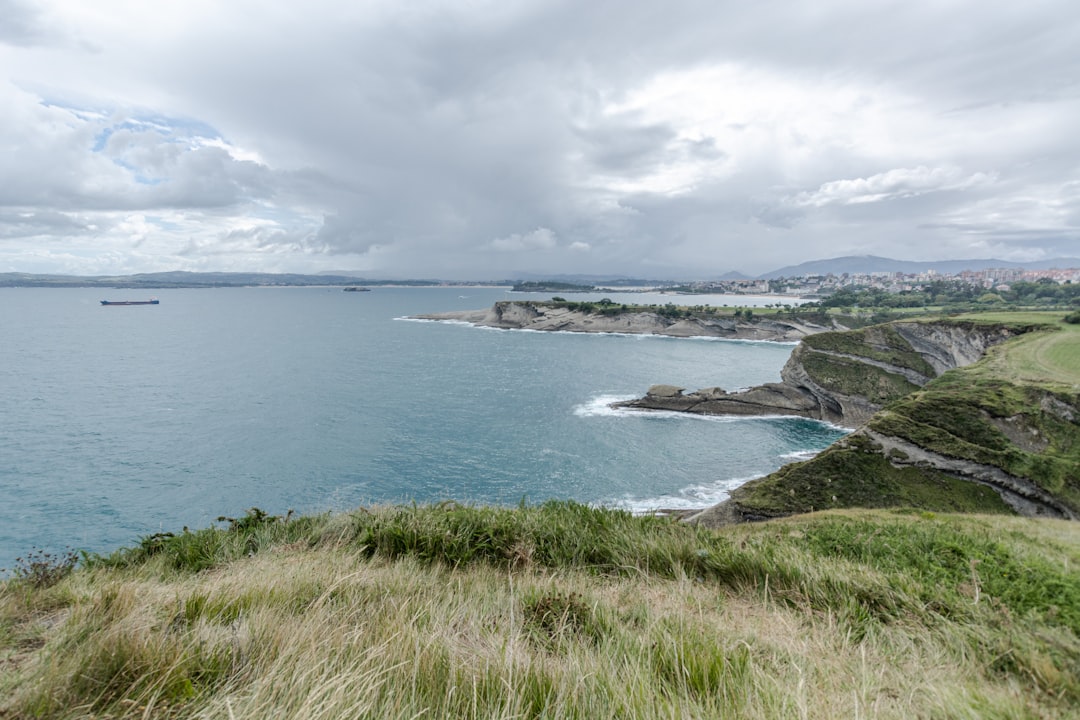
Santander, the capital of Cantabria in northern Spain, sits on a dramatic bay and is home to around 170,000 residents at sea level on the Atlantic coast. Founded as a major port city, it hosts one of Spain’s most prestigious summer universities — the Universidad Internacional Menéndez Pelayo — drawing academics and travelers alike since 1932. The city is just 390 km north of Madrid and offers a compelling mix of Belle Époque architecture, world-class beaches, and serious Cantabrian cuisine.
Top 3 Highlights at a Glance
- El Sardinero Beach — A 1.5 km urban beach flanked by the 1916 Gran Casino, one of Spain’s most photogenic seaside landmarks.
- Centro Botín — Renzo Piano’s 2017 arts centre cantilevered over the bay — 6,500 m² of exhibition space with free bay-facing terraces.
- Palacio de la Magdalena — A royal summer palace on a peninsula that King Alfonso XIII gifted to the city in 1908, surrounded by sea on three sides.
Scroll down for our complete travel guide with tips on getting there, where to stay, costs and more.
Arrival & Airport
How do I best get to Santander?
Fly into Santander Airport (SDR) — it’s the fastest option, just 7 km from the city centre. In my experience, Ryanair dominates with cheap routes from London Stansted, Dublin, and several German cities. From Madrid, the ALSA bus (5 hours, around €25) or a drive on the A-67 motorway are the most practical overland options. There’s also a Brittany Ferries crossing from Portsmouth that takes roughly 24 hours — worth it if you’re bringing a car. My tip: the ferry is scenic but significantly pricier than flying, so budget travelers should stick to low-cost airlines.
Which airport is closest to Santander?
Santander Airport (SDR), also called Seve Ballesteros Airport, is your airport — it’s only 7 km west of the city centre. In my experience, a taxi costs around €12–15 and takes under 15 minutes. There’s also a bus line (the L-01) that runs to the city for under €2, though it’s slower and less frequent. What surprised me: SDR is a small, easy airport — no queues, no chaos — but flight options are limited outside summer, so check connections carefully if traveling in winter. Bilbao Airport (BIO), 120 km east, has far more year-round international routes as a backup.
How long does the journey to Santander take from major cities?
From Madrid, the drive is around 4.5 hours via the A-67 — there’s no direct high-speed rail, which is Santander’s most frustrating transport gap. The ALSA bus from Madrid’s Estación Sur takes 5 hours and costs roughly €25–35. From Bilbao, it’s just 1 hour by car or 1.5 hours by bus. From Barcelona, budget a full day — at least 7 hours driving. My tip: book ALSA buses in advance online for the best prices. I recommend flying if you’re coming from outside northern Spain; the journey by land from Madrid feels long for what it is.
Do I need a car in Santander?
No — for the city itself, absolutely not. In my experience, Santander’s centre and El Sardinero beach area are fully walkable, and the local bus network covers everything else for €1.40 per ride. However, to explore Cantabria beyond the city — the Picos de Europa (90 km away), medieval villages like Santillana del Mar, or the coastal caves at Altamira — a rental car becomes essential. I recommend spending your first day car-free in the city, then hiring a car for day trips. Parking in the centre is a headache; if you do rent, use the El Sardinero parking garages rather than street spots.
City Transport
What are the best areas to stay in Santander?
Stay in El Sardinero if beaches and a relaxed seaside feel are your priority — this is where the grand hotels and the Casino sit, and it’s my top recommendation. The Centro Histórico (around Calle Hernán Cortés) puts you close to the ferry port, the Centro Botín, and the best pintxos bars, ideal for first-time visitors. Puerto Chico is a quieter, slightly upscale marina neighborhood between the two — great for apartments. Avoid staying near the main bus station on Calle Navas de Tolosa; it’s functional but characterless. My honest caveat: El Sardinero feels quiet and even slightly dead outside of July and August.
What does accommodation cost in Santander?
In my experience, a solid 3-star hotel in El Sardinero runs €80–120 per night in summer, dropping to €50–70 in spring or autumn. The iconic Hotel Real, a 5-star Belle Époque property overlooking the bay, charges €200–350 per night in peak season. Budget travelers can find clean hostels in the centre for €25–35 per dorm bed. Self-catering apartments via Airbnb average €70–110 per night for a two-bedroom near the beach in July. What surprised me: prices spike dramatically the last two weeks of August when the city fills with Spanish vacationers from Madrid — expect to pay 30–40% more during that window.
How far in advance should I book accommodation in Santander during high season?
Book at least 8–10 weeks ahead for July and August — Santander is a hugely popular domestic Spanish destination and mid-range hotels fill fast. In my experience, the best rooms at places like the Hotel Silken Coliseum or beachfront properties near Primera de Sardinero disappear by May for the August peak. For the last two weeks of August specifically, I recommend booking 3–4 months out. Outside high season — October through May — you can often book a week or even a few days ahead with no problem. My tip: shoulder season (June or September) gives excellent availability and noticeably better prices with barely any sacrifice in weather.
Are there special or unique accommodation types in Santander?
Yes — the Hotel Real (built in 1917, once the summer residence of the Spanish royal family) is genuinely special, perched above the bay with views that justify the price. For something different, several casas de indianos — grand mansions built by returned emigrants from the Americas — have been converted into boutique hotels in surrounding Cantabrian villages within 30 km of the city. In Santander itself, look for apartments in the Puerto Chico marina area for a local residential feel. What surprised me: there are almost no camping options within the city limits, so if you’re a camper, base yourself at sites near Liencres (12 km west) instead.
Accommodation & Neighbourhoods
What are the must-sees in Santander?
The Centro Botín art centre is non-negotiable — Renzo Piano’s 2017 building alone is worth the visit, and entry costs €8. The Palacio de la Magdalena on its peninsula is free to walk around and offers the best panoramic bay views in the city. El Sardinero beach is a must, especially the stretch in front of the Gran Casino. The Mercado de la Esperanza (city market, open since 1904) is where locals buy their seafood and where you’ll find the best anchovies in Spain. My tip: walk the entire Paseo de Pereda waterfront promenade — it’s 2 km and connects most of these highlights effortlessly.
What can I experience for free in Santander?
Quite a lot, actually — the Palacio de la Magdalena grounds are free to enter and arguably the best viewpoint in the city. The Paseo de Pereda waterfront and the entire El Sardinero beach cost nothing. The Museo de Prehistoria y Arqueología de Cantabria is free on Sundays. The Peninsula de la Magdalena walking circuit takes about 45 minutes and passes seals, penguins in an outdoor enclosure, and royal palace gardens — all without paying entry. In my experience, you could spend a genuinely full and satisfying day in Santander spending under €15 total. My tip: the Sunday morning market near the port has free tastings.
Which day trips are possible from Santander?
Santillana del Mar (30 km west) is Spain’s best-preserved medieval village — a 40-minute drive and unmissable. The Altamira Cave replica is next door and entry costs €3. The Picos de Europa national park is 90 km south — I recommend the Teleférico de Fuente Dé cable car (€18 return) as a highlight. Bilbao is 1 hour east by car and worth a half-day for the Guggenheim alone. The coastal village of Castro Urdiales (60 km east) pairs a Roman lighthouse with excellent seafood. My honest warning: without a car, most of these require long, infrequent buses — rent a car for any day trip beyond the immediate Santander coast.
What are the local food specialities in Santander?
Santander’s signature dish is cocido montañés — a hearty stew of white beans, cabbage, and pork belly that costs around €12–15 at a traditional restaurant. The anchovies (anchoas de Cantabria) are world-famous and genuinely better here than anywhere else — a tin of premium Consorcio anchovies from the Mercado de la Esperanza costs around €8–12. Sobaos pasiegas (buttery sponge cakes) and quesada pasiega (a baked cheese dessert) are the essential sweets. For pintxos, head to Calle Hernán Cortés in the centre. What surprised me: Cantabrian cuisine is richer and more butter-forward than typical Spanish food — it’s Atlantic, not Mediterranean.
Highlights & Must-Sees
What makes Santander unique compared to other Spanish cities?
Santander occupies a genuinely rare position: it’s a proper working Spanish city (not a tourist construct) with Belle Époque grandeur, Atlantic beaches, a serious food culture, and mountain access within 90 minutes. The green, rainy backdrop of Cantabria gives it a completely different feel from Andalusia or the Mediterranean coast — lush hills, cows in fields, misty mornings. The royal connection (Spanish kings summered here for decades) left a legacy of grand architecture you won’t find in comparable-sized cities. In my experience, it feels like a city that happens to have a great beach, not a beach resort that grew a city — that balance is what makes it special.
How many days should I spend in Santander?
3 full days covers Santander city thoroughly without rushing. I’d structure it as: Day 1 — city centre, Centro Botín, Mercado de la Esperanza, waterfront; Day 2 — El Sardinero beach, Palacio de la Magdalena, Gran Casino exterior; Day 3 — day trip to Santillana del Mar and Altamira. Add 1–2 extra days if you want to reach the Picos de Europa. What surprised me: most visitors underestimate how enjoyable it is just to walk the city’s neighborhoods — Cuatro Caminos, El Alta, and Puerto Chico each have distinct characters. I’d say 4 days total is the sweet spot if Cantabria day trips interest you.
When is the best time to visit Santander?
June and September are my top picks — the best balance of warm weather, accessible beaches, and manageable crowds. July and August are peak beach season with temperatures around 22–25°C, but the city fills with Spanish vacationers and prices rise sharply. In my experience, late June offers the most reliable combination of long days, warm water, and hotel availability. October through May brings Atlantic rain and a quieter, more local atmosphere — good for culture but not for beach days. The Semana Grande festival in late July/early August is worth experiencing once but means the city is at absolute capacity. Avoid the first two weeks of August if you dislike crowds.
Are there local festivals in Santander worth attending?
The Festival Internacional de Santander runs through July and August, bringing classical music, opera, and dance to the Palacio de la Magdalena — tickets start at €15 and the setting is extraordinary. Semana Grande (last week of July, first week of August) is the city’s main summer festival with free concerts, fireworks over the bay, and street parties every night. The Carnaval in February is genuinely lively for a northern Spanish city — less famous than Cádiz but far less crowded. What surprised me: the Universidad Internacional Menéndez Pelayo summer courses in July attract intellectuals citywide and create a uniquely cultured summer atmosphere unlike any typical beach town.
Food & Drink
How does Santander’s weather affect activities throughout the year?
Santander’s Atlantic climate means rain is possible any month — this is not the dry Spanish south. June through September averages fewer than 8 rain days per month and temperatures of 18–25°C, making it genuinely pleasant. October and November see the most rainfall and rough seas. Winter (December–March) rarely drops below 8°C but is grey and wet — better for museum days and the Picos de Europa ski areas than for beaches. My honest caveat: even in July, a cold Atlantic front can bring two or three grey days — pack a light jacket regardless of the season. The Picos de Europa hiking season runs June through October, with snow closing high routes in winter.
How crowded does Santander get in peak season?
Very crowded by northern Spanish standards — El Sardinero beach fills completely on hot August weekends, and parking anywhere near the seafront becomes impossible by 10am. The city receives a heavy influx of madrileños (Madrid residents) treating it as their summer escape, which means August feels like a different city entirely. Restaurant wait times at popular spots on Calle Hernán Cortés can reach 45–60 minutes without a reservation on August evenings. What surprised me: the crowds are almost entirely Spanish — Santander isn’t on most international tourist radars, so even at peak you won’t feel like you’re in a tourist bubble. My tip: visit beaches at 8am or after 6pm in August to avoid the crush.
How safe is Santander for travelers?
Santander is one of Spain’s safest medium-sized cities — petty crime is low by European standards and violent crime is rare. In my experience walking late at night through the El Sardinero and Centro Histórico areas, I’ve never felt unsafe. The area around the main bus station can feel slightly rough after dark, but it’s not dangerous — just uninviting. Standard urban precautions apply: watch your bag in the Mercado de la Esperanza and on crowded beach days. There’s no specific neighborhood I would tell solo travelers to avoid entirely. The local police presence on the waterfront and beaches in summer is high and visible, which adds to the feeling of security.
Is English widely spoken in Santander?
Less than in Barcelona or Madrid — Santander is a genuinely Spanish city with limited English outside hotels and the Centro Botín. In my experience, most restaurant staff in the Centro Histórico manage basic food-ordering English, but don’t expect fluency. At the Mercado de la Esperanza, Spanish is essentially required. Hotel reception staff typically speak good English. My tip: download Google Translate with Spanish offline before you go and learn 10 basic phrases — locals visibly appreciate the effort. The city sees relatively few British or American tourists compared to southern Spain, so English menus are the exception rather than the rule. A tiny bit of Spanish goes a very long way here.
Practical Tips
What is the daily budget for traveling in Santander?
A budget traveler spending nights in a hostel and eating at local menús del día can get by on €55–70 per day. A mid-range traveler with a 3-star hotel, sit-down meals, and entry to 1–2 sights should budget €130–180 per day. The menú del día (3-course lunch with wine) is the best value in Spain at €12–16 at restaurants like those around Calle Daoíz y Velarde. Dinner is pricier — expect €25–40 per person at a proper restaurant. A beer costs €2–2.50, a coffee €1.20–1.60. What surprised me: Santander is noticeably cheaper than San Sebastián (120 km east) for equivalent food quality — a major argument in its favor for budget-conscious food lovers.
How does public transport work in Santander?
The city bus network (TUS) covers all major areas including El Sardinero, the centre, and the ferry port — a single ride costs €1.40 and a 10-trip card costs €8.50. In my experience, the Line 1 and Line 2 buses are the most useful for tourists, running frequently between the centre and El Sardinero beach. There’s no metro. Taxis are metered and reasonable — a cross-city ride rarely exceeds €10. Cabify and MyTaxi (now FREE NOW) operate in Santander. The ferry to Plymouth departs from the port terminal at the western end of the waterfront — well-connected by bus. My tip: buy the 10-trip card immediately upon arrival if you plan to use buses more than twice per day.
Which apps do you recommend for visiting Santander?
Google Maps is essential and works well throughout the city and for Cantabria road trips. For buses, the TUS Santander app shows real-time departures. Renfe is the app for checking regional train times. ALSA is non-negotiable for booking intercity buses to Madrid or Bilbao — prices are significantly lower when booked in advance through the app. TheFork (ElTenedor) gets you restaurant reservations and sometimes 20–30% discounts at solid local restaurants. Download Google Translate with Spanish offline. For the Picos de Europa day trips, the Wikiloc app has reliable hiking GPX tracks. What surprised me: Booking.com consistently beats other platforms for Santander hotel deals in my experience.
More Destinations in Europe
Explore our complete travel guides for more Europe destinations: Caen Travel Guide (2026), Cannes Travel Guide (2026), Badajoz Travel Guide (2026), Caen Travel Guide (2026), Franche-Comté Travel Guide (2026).
Santander at a Glance
| Currency | EUR (€) |
|---|---|
| Official language | Spanish |
| Time zone | UTC+01:00 |
Source: Wikidata, retrieved October 2026.
Useful Resources for Planning Your Trip to Santander
- Wikipedia: Santander — history, geography and background
- Lonely Planet: Santander — itineraries and travel inspiration
- TripAdvisor: Santander — hotels, restaurants and traveller reviews
🎥 Santander Travel Videos

10 INCREDIBLE Things You Must Do in SANTANDER Spain …
Mel Legarda – illumelation
Santander: The Spanish City You Wish You Knew About
Templeseeker
Santander Travel Guide 2026 | Best Things to Do in …
Travel Spain TV
You are currently viewing a placeholder content from Vimeo. To access the actual content, click the button below. Please note that doing so will share data with third-party providers.
More InformationYou are currently viewing a placeholder content from YouTube. To access the actual content, click the button below. Please note that doing so will share data with third-party providers.
More InformationYou need to load content from reCAPTCHA to submit the form. Please note that doing so will share data with third-party providers.
More InformationYou are currently viewing a placeholder content from GetYourGuide. To access the actual content, click the button below. Please note that doing so will share data with third-party providers.
More Information