
Huesca: The Complete Travel Guide (2026)
Last reviewed: October 2026 · key facts checked against Wikidata
Huesca Travel Guide: Everything You Need to Know (2026)
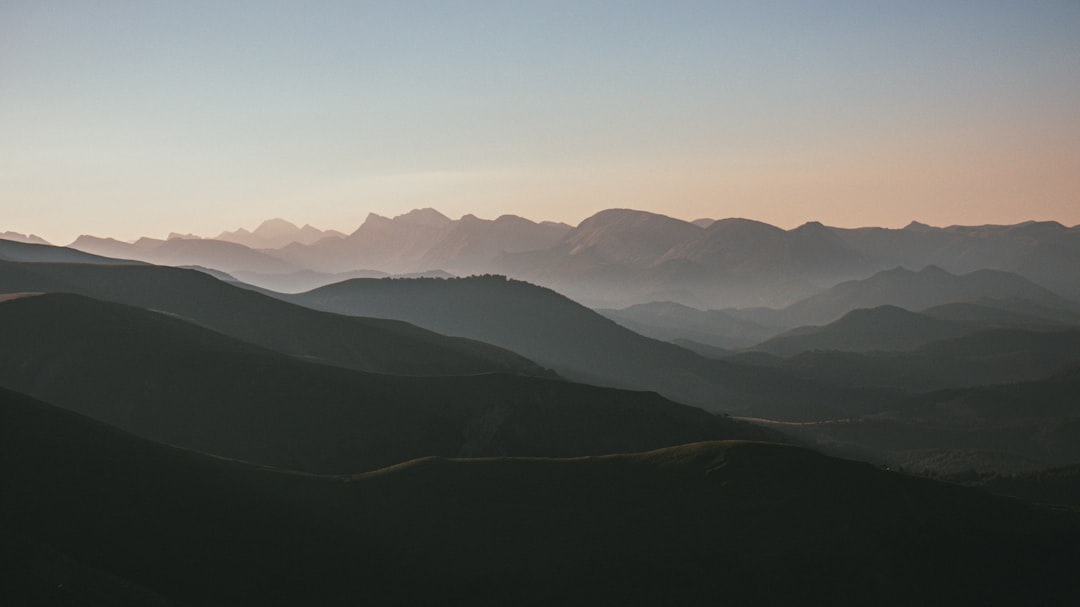
Huesca is a compact city of 55,454 residents sitting at 488 metres above sea level in north-eastern Spain’s Aragon region, with a history stretching back to its role as capital of the Kingdom of Aragon from 1096 to 1118. It sits just 72 km south of the Pyrenees, making it Spain’s closest provincial capital to serious mountain terrain. What most travellers don’t realise is that Huesca itself rewards a full day of exploration before you even think about heading into the hills.
Top 3 Highlights at a Glance
- Huesca Cathedral — A Gothic masterpiece begun in 1273 with a Renaissance altarpiece by Damián Forment considered one of Spain’s finest.
- Museo de Huesca — Housed in the former Royal Palace of Aragon, it holds the legendary painting depicting the Bell of Huesca massacre.
- Ordesa y Monte Perdido National Park — A 72 km drive brings you to Spain’s oldest national park, with canyon walls rising over 1,000 metres.
Scroll down for our complete travel guide with tips on getting there, where to stay, costs and more.
Arrival & Airport
How do I get to Huesca?
By train or car from Zaragoza is the easiest approach — 35 minutes by direct train costing around €7-10. From Madrid, the high-speed AVE to Zaragoza takes 1h 20min, then connect onwards. In my experience, the train drops you at Huesca station on Calle Zaragoza, a 10-minute walk from the old town. No high-speed rail reaches Huesca directly, which catches many visitors off-guard who plan tight schedules. If you’re driving from Barcelona, budget 3 hours via the A-2 motorway. Buses from Zaragoza’s Delicias station also run 6-8 times daily and cost under €8.
Which airport is closest to Huesca?
Zaragoza Airport (ZAZ) is the nearest major option at roughly 55 km south, though it handles mostly charter and Ryanair routes. Pamplona Airport (PNA) lies about 120 km west and offers more regular connections. My tip: fly into Barcelona El Prat (BCN), roughly 250 km east, which has the best international connections and onward trains to Huesca via Lleida or Zaragoza. What surprised me is that many travellers overlook ZAZ entirely — if Ryanair flies your route there, it saves hours. Car hire at ZAZ is straightforward and puts you in Huesca’s Casco Antiguo in under an hour.
How long does the journey to Huesca take from major hubs?
From Zaragoza: 35-50 minutes by train or car. From Barcelona: roughly 3 hours by car or 3.5 hours combining AVE to Zaragoza plus regional train. From Madrid: around 3.5 hours total using AVE plus connection at Zaragoza. The honest caveat here is that regional trains beyond Zaragoza are slow — the Huesca-Zaragoza leg uses older rolling stock and runs on a single track, so delays happen. I recommend booking the Zaragoza-Huesca leg via Renfe’s website in advance, especially on Friday evenings when university students flood the route.
Do I need a car to explore Huesca city and surroundings?
For Huesca city itself, absolutely not — the Casco Antiguo is entirely walkable in 30 minutes end to end. However, to reach the Pyrenees properly, a car is near-essential. Bus services to Jaca or Ainsa exist but run only 2-3 times daily and don’t serve trailheads. In my experience, hiring a car for 2-3 days unlocks the entire region — expect to pay €35-55 per day through agencies on Calle del Parque or at Huesca station. The honest trade-off: parking in the old town is tight, and the Zona Azul system means you pay for street parking during business hours. Use the free parking on Avenida Martínez de Velasco instead.
City Transport
What are the best areas to stay in Huesca?
Stay in or immediately around the Casco Antiguo — this puts you within a 5-minute walk of the cathedral, main tapas bars on Calle Padre Huesca, and the city market. The Plaza de Navarra area is the social hub with outdoor terraces. My tip: avoid hotels on the Ronda ring road unless you have a car, as it’s a dull 20-minute walk to everything interesting. The San Lorenzo neighbourhood just below the cathedral is quieter and has several excellent small hotels. What surprised me is how affordable and uncrowded Huesca’s centre feels compared to Zaragoza — you genuinely get the best of both worlds here.
What does accommodation cost per night in Huesca?
Budget well for comfort: a solid 3-star hotel like Hotel Alfonso I or Hotel Abba Huesca runs €60-90 per night. Guesthouses and hostales near the Casco Antiguo start at €35-45. Upmarket options near Plaza de Navarra push to €100-130. In my experience, Huesca is dramatically cheaper than Barcelona or San Sebastián for equivalent quality. The hidden caveat: during the Fiestas de San Lorenzo in August, prices spike 30-50% and availability collapses — this is the one week you must book months ahead. Airbnb options exist but inventory is thin, so hotel booking is more reliable here than in larger Spanish cities.
How far in advance should I book accommodation in Huesca during high season?
For July and August generally, booking 4-6 weeks ahead is sufficient. The critical exception is August 9-15 during the Fiestas de San Lorenzo — Huesca’s biggest annual festival — where I recommend booking 3-4 months in advance minimum. What most guides omit: the Vuelta a España cycling race occasionally passes through the province, and when it does, every room within 50 km fills instantly. Check the 2026 race route early. For shoulder months like May, June, September and October, you can usually book 1-2 weeks out without stress, and you’ll often find same-week deals on Booking.com for Huesca’s smaller family-run hostales.
Are there special or unique accommodation types in Huesca?
Yes — the surrounding Hoya de Huesca comarca offers exceptional casas rurales (rural houses) starting at €80-120 per night for a full house, ideal if you’re travelling with family or a group of 4+. Inside the city, Hotel Sancho Abarca occupies a converted historic building steps from the cathedral. My tip: for Pyrenean access, consider staying in a refugio de montaña for at least one night — Refugio de Góriz inside Ordesa National Park sits at 2,200m and costs around €20-25 per person with breakfast. Book it via the Federación Aragonesa de Montañismo website. This is genuinely unmissable for anyone combining city and mountain experiences.
Accommodation & Neighbourhoods
What are the must-sees in Huesca?
Three sights stand above everything: first, Huesca Cathedral — the Gothic nave took over 300 years to complete, and Damián Forment’s alabaster altarpiece from 1520 is jaw-dropping up close. Second, the Museo de Huesca inside the old Royal Palace of Aragon, which contains the 1880 Casado del Alisal painting depicting the macabre Bell of Huesca legend — a story involving a decapitated archbishop that no guidebook can make boring. Third, the Ermita de San Jorge viewpoint above the city gives you the best panoramic shot of the Pyrenees on a clear day. All three are within 15 minutes’ walk of each other.
What can I experience for free in Huesca?
More than you’d expect. The Museo de Huesca is free on Sundays and for EU citizens. Walking the Casco Antiguo’s medieval street grid costs nothing and reveals Roman foundations, Moorish archways, and a 13th-century church on virtually every corner. The Mercado del Perpetuo Socorro (daily market) on Plaza Luis López Allué is free to browse and the best place to see local life. In my experience, simply sitting on Plaza de la Catedral at dusk with a €2 coffee is worth an hour of your time. The Parque Miguel Servet, Huesca’s main city park, is well-maintained and free — a 20-minute walk from the old town.
Which day trips from Huesca are unmissable?
Ordesa y Monte Perdido National Park is the obvious answer — 72 km north via the A-23, allow a full day minimum. Castillo de Loarre, Spain’s best-preserved Romanesque castle, sits 35 km west and takes 2 hours to explore properly. The walled town of Ainsa, 93 km northeast, has one of Aragon’s most photogenic plazas and pairs brilliantly with a Pyrenean hike. What surprised me is how few visitors combine Huesca with Alquézar — this medieval village above the Vero river canyon is only 50 km east and arguably more atmospheric than more famous Andalusian white villages. Each trip needs a car; bus connections are too infrequent for day trips.
What local specialities should I try in Huesca?
Ternasco de Aragón — young Aragonese lamb roasted simply with garlic and olive oil — is the dish you cannot leave without trying. Find it at Restaurante Lillas Pastia on Plaza de Navarra, Huesca’s only Michelin-starred restaurant. Street-level, the Calle Padre Huesca tapas circuit offers chilindrón (chicken or rabbit braised with peppers) for under €8 a plate. Truffles from the Huesca province appear on menus from November to March and are genuinely world-class. My honest caveat: Huesca’s restaurant scene shuts down hard between 3:30-8:30pm, and attempting lunch after 2pm or dinner before 9pm will leave you disappointed — plan your meals around Spanish rhythms.
Highlights & Must-Sees
What makes Huesca unique compared to other Spanish cities?
Huesca is the only Spanish provincial capital where you can eat breakfast in a medieval plaza, hike above 3,000m, and be back for dinner — all within the same day. Its role as the first capital of the Kingdom of Aragon gives it genuine historical weight that cities three times its size lack. What surprised me most: Huesca has almost no mass tourism infrastructure, which means locals actually eat in the same restaurants as visitors, prices stay honest, and the Fiestas de San Lorenzo feel authentically local rather than performed. At a population of just 52,418, you encounter zero of the crowds that plague Seville or Granada, yet the cultural density per square kilometre rivals them.
How many days should I spend in Huesca?
2 days in the city itself is enough to cover every significant sight without rushing. But I strongly recommend 4-5 days total if you plan Pyrenean day trips. Day 1: Casco Antiguo, cathedral, Museo de Huesca. Day 2: Castillo de Loarre or Alquézar. Days 3-5: Ordesa National Park, Ainsa, or mountain hiking. The honest caveat: Huesca as a standalone 1-day stop feels slightly thin for travellers used to larger cities — it rewards people who use it as a base for Aragon exploration rather than a destination in isolation. If you only have 1 day, pair it with a half-day at Castillo de Loarre for the most satisfying combination.
When is the best time to visit Huesca?
July and August offer the best weather with consistent sunshine and temperatures around 28-32°C, ideal for combining city sightseeing with mountain excursions. May and June are my personal preference — wildflowers blanket the Pyrenean foothills, trails aren’t crowded, and city temperatures are a comfortable 18-24°C. September is excellent for hiking with fewer tourists. The honest warning: August 9-15 during the Fiestas de San Lorenzo is simultaneously the most exciting and most chaotic week — the city transforms completely, accommodation is scarce, and noise levels are relentless. Avoid that week if you want peaceful exploration; target it specifically if you want to experience Aragón’s most intense local festival.
Are there local festivals in Huesca worth attending?
The Fiestas de San Lorenzo (August 9-15) is Huesca’s defining annual event — the entire city of 52,418 dresses in white and red, there are daily processions, open-air concerts, and the famous ‘El Cabezonazo’ bull-running adjacent events in surrounding villages. It’s been celebrated since at least the 17th century. In my experience, the opening night of August 9 is the most electric — fireworks over the cathedral at midnight. Semana Santa (Easter week) sees solemn processions through the Casco Antiguo that are far less touristed than Seville’s. Huesca la Magia festival in July showcases Aragonese folk music and is free to attend on the main stages.
Food & Drink
How does the weather in Huesca affect what activities I can do?
Huesca at 488m elevation experiences hot, dry summers and genuinely cold winters with occasional snow. Mountain trails above 2,000m in Ordesa are snow-covered from November to May — crampons required outside peak season. July-August is perfect for high-altitude hiking but afternoon thunderstorms build quickly above the treeline, so start hikes before 8am. Spring (April-June) brings unpredictable rain but stunning scenery. Winter in the city itself is mild enough for sightseeing, and Astún and Formigal ski resorts are just 90-110 km north — making Huesca a viable ski trip base from December to March. The hidden issue: summer heat in the city centre by 2pm makes sightseeing uncomfortable; embrace the siesta schedule.
How crowded does Huesca get in peak season?
By Spanish standards, Huesca barely registers as crowded — even in August, the cathedral queue rarely exceeds 10 minutes, and restaurant reservations same-day are usually possible outside the San Lorenzo festival week. What surprised me is how local the tourism remains: most August visitors are Spanish families from Zaragoza and Barcelona using Huesca as a Pyrenees gateway, not international tourists. The exception is Ordesa National Park, which is genuinely overwhelmed in July-August — the Pradera de Ordesa car park fills by 8am on weekends, and the park now operates mandatory shuttle buses from Torla during peak months. Book your Ordesa day trip for a Tuesday or Wednesday to avoid the worst of it.
How safe is Huesca for travellers?
Huesca is extremely safe — petty crime rates are among the lowest of any Spanish provincial capital. In my experience walking the city at midnight during San Lorenzo, the streets felt entirely unthreatening despite the crowds. The Casco Antiguo has no no-go zones, and even the areas near the train station are unremarkable rather than dangerous. Standard precautions apply: don’t leave valuables visible in hire cars parked near trailheads outside the city, as opportunistic break-ins at Pyrenean parking areas are the one genuine risk flagged by local police. Emergency services number is 112 throughout Spain. The city’s main hospital, Hospital San Jorge, sits on Paseo de la Constitución 10 minutes from the centre.
Is English widely spoken in Huesca?
Less than you’d expect for a city of this size — Huesca sees limited international tourism, so English proficiency outside hotels and the tourist office on Calle del Coso is patchy. Young staff in bars and restaurants usually manage basic English. In my experience, a handful of Spanish phrases unlock dramatically better service and goodwill here than in more touristed cities. Google Translate’s camera function handles menus perfectly. What surprised me: many signs, museum labels, and trail information in the surrounding Pyrenees are Spanish-only or Spanish/Aragonese, so download an offline Spanish dictionary before you arrive. The tourist office on Plaza López Allué has English-speaking staff and free printed maps — visit on day one.
Practical Tips
What is the daily budget for travelling in Huesca?
A realistic mid-range daily budget is €70-100 per person, covering a €60-80 hotel room (split between two), a €10-14 three-course menú del día lunch, €8-12 for tapas and drinks in the evening, and €5-8 in museum entry fees. Budget travellers staying in hostales and eating market food can manage €45-55 per day. The honest caveat: day trips add significantly — Ordesa entry is free but petrol, parking (€5), and mountain café meals push a day trip to €25-35 extra per person. Huesca is meaningfully cheaper than Barcelona or Madrid; a lunch that costs €14 here would run €22-28 in central Barcelona.
How does public transport work within Huesca city?
The city runs 6 urban bus lines operated by Samaruc, with a single fare of €1 and a 10-journey card for €6.50. In reality, the Casco Antiguo is so compact — roughly 800 metres across — that you’ll rarely need a bus for sightseeing. Buses are most useful for reaching the train station, hospital, or university campus on the city’s periphery. Taxis are reliable and cheap; a cross-city ride costs €5-8. My honest assessment: Huesca’s public transport works fine within the city but completely fails for Pyrenean exploration — zero bus lines reach trailheads at usable times. If hiking is your priority, hire a car for at least 2 days of your stay.
Which apps do you recommend for visiting Huesca?
Renfe app is non-negotiable for booking and managing train tickets between Huesca and Zaragoza — buy ahead to avoid queues at the station’s single ticket window. Maps.me with offline Aragon maps downloaded before you arrive is more reliable than Google Maps in mountain terrain above 1,500m where signal drops. Wikiloc hosts hundreds of user-uploaded hiking trails around the Hoya de Huesca comarca with GPS tracks — filter by difficulty and download the GPX files. For restaurants, ElTenedor (TheFork in English) covers Huesca’s better spots with real reviews. What surprised me: the Ordesa National Park’s own website (ordesa.net) has live parking availability — check it the night before your visit to gauge how early you need to depart.
More Destinations in Europe
Explore our complete travel guides for more Europe destinations: Dordogne Travel Guide (2026), Chania Travel Guide (2026), Vienna Travel Guide (2026), Florence Travel Guide (2026), Crete Travel Guide (2026).
Huesca at a Glance
| Population | 55,454 |
|---|---|
| Currency | EUR (€) |
| Official language | Spanish |
| Time zone | UTC+01:00 |
Source: Wikidata, retrieved October 2026.
Useful Resources for Planning Your Trip to Huesca
- Wikipedia: Huesca — history, geography and background
- Lonely Planet: Huesca — itineraries and travel inspiration
- TripAdvisor: Huesca — hotels, restaurants and traveller reviews
🎥 Huesca Travel Videos
Top 5 places to visit in Aragon Spain | What to visit in Huesca …
Come To Spain

Complete Guide | What to see in Huesca | GRABANDOVOY
GrabandoVoy
Is Huesca worth visiting? 😯 It hides one of Spain’s wildest …
Anita Castillo
You are currently viewing a placeholder content from Vimeo. To access the actual content, click the button below. Please note that doing so will share data with third-party providers.
More InformationYou are currently viewing a placeholder content from YouTube. To access the actual content, click the button below. Please note that doing so will share data with third-party providers.
More InformationYou need to load content from reCAPTCHA to submit the form. Please note that doing so will share data with third-party providers.
More InformationYou are currently viewing a placeholder content from GetYourGuide. To access the actual content, click the button below. Please note that doing so will share data with third-party providers.
More Information