
Salamanca: The Complete Travel Guide (2026)
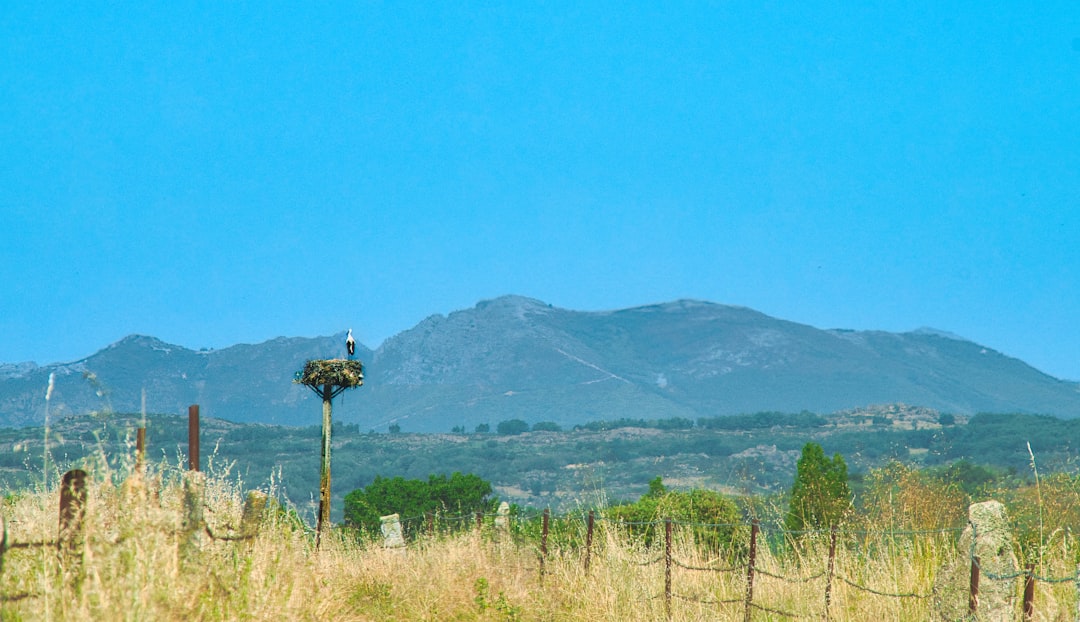
Salamanca Travel Guide: Everything You Need to Know (2026)
Salamanca sits at 798 metres above sea level on the Meseta Central, home to one of Europe’s oldest universities founded in 1218 — making it a living monument to medieval scholarship. With a population of 149,528, this compact Spanish city packs a UNESCO World Heritage Old Town, two cathedrals, and the most photogenic Plaza Mayor in Spain into a walkable core. The golden sandstone facades, carved from local Villamayor stone, glow amber at dusk in a way I’ve genuinely never seen replicated anywhere else in Europe.
Top 3 Highlights at a Glance
- Plaza Mayor — Spain’s finest baroque square, built 1729–1755, with 88 identical arches that create an unbroken golden arcade.
- Universidad de Salamanca — Founded in 1218, its Plateresque façade hides a carved frog that students hunt for good exam luck.
- Cathedrals (Old & New) — Two cathedrals sharing one wall — the 12th-century Romanesque Old Cathedral sits literally inside the 16th-century New.
Scroll down for our complete travel guide with tips on getting there, where to stay, costs and more.
Arrival & Airport
How do I get to Salamanca?
The fastest route to Salamanca is by bus or train from Madrid, taking 90–120 minutes. In my experience, the ALSA bus from Madrid Estación Sur is the most practical option — buses run roughly every hour and cost €8–14 one-way. The train from Madrid Chamartín via Ávila takes around 1 hour 40 minutes on AVANT services costing €15–22. Driving from Madrid is 212 km on the A-6 and A-50 motorways. There is no direct high-speed AVE service to Salamanca, which surprises most visitors — the regional train network is slower than the bus, so I recommend ALSA unless you’re a rail enthusiast.
Which airport is closest to Salamanca?
Salamanca Airport (SLM) exists but operates extremely limited commercial routes — do not rely on it. In my experience, Madrid Barajas (MAD), located 212 km away, is the only realistic gateway for international travellers. Valladolid Airport (VLL) is 115 km north but has sparse connections. From Barajas, I recommend taking the Metro Line 8 to Nuevos Ministerios, then the Cercanías or a taxi to Estación Sur bus terminal — budget €2.50 for Metro and 60 minutes total transfer time. What most guides omit: Salamanca’s own airport sees almost no scheduled traffic, so never book assuming you can fly in directly.
How long does the journey to Salamanca take from Madrid?
From central Madrid to Plaza Mayor Salamanca, plan exactly 2.5 hours door-to-door. The ALSA bus from Estación Sur runs the route in 2 hours 30 minutes on a good day. My tip: book the first morning departure around 07:30 to arrive before the tourist groups descend on the Old Town. The train from Chamartín is technically faster at 1 hour 40 minutes of travel time, but the station connections add 30 minutes. One honest warning — Friday afternoon buses fill up fast with Madrid university students making the return trip, so book 48 hours ahead minimum for weekend travel.
Do I need a car to explore Salamanca?
No — a car is actively counterproductive in Salamanca’s Old Town. The UNESCO Heritage Zone is largely pedestrianised, and the entire historic core measures only 1.2 km across. In my experience, I walked everywhere comfortably within 15 minutes from any central accommodation. Parking in the centre costs €1.50–2.00 per hour in paid zones, and the streets around Calle Zamora are a genuine maze. My tip: if you’re combining Salamanca with rural Sierra de Francia or the Arribes del Duero canyons, hire a car for day trips at around €35–50 per day from the train station area, then park at your hotel’s garage overnight.
City Transport
What are the best areas to stay in Salamanca?
Stay inside or within 200 metres of the Casco Histórico (Old Town) — full stop. The area between Plaza Mayor and the Universidad is the sweet spot: everything is walkable, the ambient street life continues until midnight, and you wake up to cathedral bells. For a quieter option with lower prices, the Barrio Nuevo district just south of the cathedrals has guesthouses at €15–25 less per night. I’d avoid booking in the Garrido or Tejares neighbourhoods — they’re residential suburbs requiring a bus to reach the sights. What surprised me: streets directly off Plaza Mayor can be noisy until 02:00 on weekends, so request interior-facing rooms.
What does accommodation cost per night in Salamanca?
Budget travellers can find clean hostels in the Casco Histórico for €18–25 per bed. Mid-range double rooms at 3-star hotels like those on Calle Prior run €55–85 per night. For a genuinely special stay, NH Palacio de Castellanos or Rector Hotel charge €120–180 but occupy converted historic palaces with carved stone courtyards. In my experience, the best value sits at €65–90 for a central ensuite double with breakfast included at family-run hostales. One caveat most sites omit: Salamanca prices spike 30–40% during Semana Santa (Easter) and the September Feria festival, when even budget rooms triple in rate.
How far in advance should I book accommodation in Salamanca during high season?
For July and August, book 6–8 weeks ahead for decent central options. For Semana Santa (Easter week) and the Feria de Salamanca in mid-September, book 3–4 months ahead — I’ve seen every central hotel sold out by February for that September weekend. The academic calendar also matters: late September sees an influx of new university students, creating unexpected pressure on accommodation. My tip: if you’re visiting for the Día de San Juan de Sahagún in June, mid-week arrivals leave significantly more availability than weekends. Booking.com and direct hotel websites offer the same rates in Salamanca — unlike larger cities, OTAs hold no pricing advantage here.
Are there special or unique accommodation types in Salamanca?
Yes — Salamanca has several converted palace hotels (palacios) that are genuinely worth the premium. Hotel Rector on Calle Rector Esperabé is a neoclassical mansion with only 13 rooms and personal service that rivals five-star chains. Several student residencias rent rooms to tourists outside term time (October–June) at €30–45 per night, giving access to large common areas and canteen meals. In my experience, renting a private apartment on Calle Compañía or Calle Libreros for €70–90 per night beats any mid-range hotel for space and atmosphere — you’re living inside a 16th-century building. One honest caveat: elevator access is rare in historic buildings, and luggage up narrow stone staircases is a genuine physical challenge.
Accommodation & Neighbourhoods
What are the absolute must-sees in Salamanca?
Three non-negotiables: Plaza Mayor (linger at dusk, not midday), the dual cathedrals (entry €4.75, climb the Ieronimus tower for rooftop views), and the Universidad de Salamanca facade (entry to the historic classrooms costs €10). After those, the Casa de las Conchas — covered in 300 scallop shells — takes 20 minutes and is free to enter. My tip: book the Ieronimus rooftop experience (€3.75) for 09:00 when light is perfect and crowds are absent. What surprised me: the Convento de San Esteban, a Dominican monastery with a jaw-dropping Plateresque facade, is consistently overlooked yet arguably equals the university in architectural drama — entry is only €3.
What can I experience for free in Salamanca?
Significant amounts — Salamanca rewards walkers without spending a euro. The exterior of the Universidad facade, Casa de las Conchas interior patio, and all four sides of Plaza Mayor are free. The Tormes Riverbank walkway stretching 3 km from the Roman Bridge westward offers the best skyline views of both cathedrals for free. Every Sunday morning, the Mercado de Abastos on Calle Albarderos is free to browse with excellent local cheese and jamón stalls. In my experience, the free evening paseo along Calle Zamora and Rúa Mayor between 19:00–21:00 is one of the most authentic Spanish social experiences I’ve witnessed anywhere — better than any paid tour.
Which day trips from Salamanca are worthwhile?
Ciudad Rodrigo, 80 km west, is my top recommendation — a perfectly preserved medieval walled city with a 14th-century cathedral and almost zero tourist infrastructure, making it feel genuinely undiscovered. Arribes del Duero canyon natural park is 110 km west, requiring a car but delivering dramatic river gorge scenery unlike anything on the Meseta. Ávila, 98 km east by direct bus (€7, 1 hour 15 minutes), offers the best-preserved medieval city walls in Spain. I’d skip Zamora as a day trip unless you have a specific interest in Romanesque churches — it rewards overnight stays more than rushed visits. My warning: rural bus connections to Arribes are almost nonexistent; car hire is essential.
What local specialities should I eat in Salamanca?
Hornazo is the defining dish — a dense bread stuffed with chorizo, loin, and hard-boiled egg, originally eaten at Easter but available year-round. The Iberian pork from Guijuelo, just 47 km southeast, supplies some of Spain’s finest jamón ibérico de bellota; a proper racion costs €12–18 in a good bar. Farinato — a spiced sausage made with lard, onion, and aniseed — is unlike anything I’ve tasted elsewhere in Spain. My tip: eat lunch at Mesón Las Conchas on Calle Rúa Mayor for a €12 menú del día that includes hornazo, main course, dessert, and wine. Avoid any restaurant with photographed menus displayed directly on Plaza Mayor — markup is 40–60% compared to streets one block away.
Highlights & Must-Sees
What makes Salamanca genuinely unique compared to other Spanish cities?
Three things nothing else in Spain replicates: the Villamayor golden sandstone that makes every building glow amber at sunset, the living university culture from 30,000+ students who keep the city intellectually and socially alive year-round, and the extraordinary density of Plateresque architecture — a uniquely Spanish Renaissance style found in concentrated form only here. Salamanca also holds the distinction of having the oldest university in the Hispanic world (founded 1218, 274 years before Columbus reached America). In my experience, the evening atmosphere on a Wednesday in October — students debating on café terraces, professors cycling past medieval facades — is more authentically Spanish than anything in Madrid or Barcelona. It’s a city that has never needed to perform for tourists.
How many days do I need to see Salamanca properly?
2 full days covers the essential Salamanca experience comfortably. Day 1: Old Town on foot — cathedrals, university, Casa de las Conchas, and the Roman Bridge at golden hour. Day 2: Ieronimus tower at 09:00, Convento de San Esteban, the Art Nouveau Museum (€4), and a long lunch. A 3rd day unlocks a day trip to Ciudad Rodrigo or a deeper dive into the Barrio Antiguo neighbourhood cafés. My honest caveat: travellers who budget only a single day as a stop between Madrid and Porto consistently tell me they regret not staying longer — the city’s atmosphere builds over evenings and mornings, not rushed afternoon sightseeing. I would not spend more than 4 days here unless you’re attending a specific festival.
When is the best time to visit Salamanca?
July, August, and September offer the most reliable weather based on climate data, but my personal recommendation is late September to mid-October. The summer university session keeps the city alive in July–August without the mass tourism of coastal Spain. September’s Feria de Salamanca (second week) transforms Plaza Mayor into an outdoor concert venue with free events nightly. Spring (April–May) delivers cool temperatures ideal for walking, though Semana Santa brings crowds. Winter is genuinely underrated — the golden stone looks extraordinary under January frost, tourist numbers drop 60%, and every café and bar fills with students creating authentic atmosphere. The one season I’d caution against is August weekends, when Spanish domestic tourists can make central streets feel genuinely congested.
Are there local festivals in Salamanca worth attending?
Feria de Salamanca in the second week of September is the big one — 10 days of free concerts, bullfights (controversial but culturally significant), and nightly processions around Plaza Mayor. The Día de San Juan de Sahagún on June 12th is a local religious festival with a genuinely unrehearsed neighbourhood feel. Semana Santa (Easter) features solemn processions of medieval brotherhoods through the Old Town streets nightly — the Madrugada (3:00 AM procession) on Good Friday is one of the most atmospheric things I’ve witnessed in Spain. My tip: the Noche del Terror event in late October uses the university’s historic buildings as haunted settings and sells out 4 weeks in advance — book early if you’re visiting Halloween week.
Food & Drink
How does Salamanca’s weather affect activities throughout the year?
At 798 metres altitude, Salamanca has sharper temperature swings than coastal Spain — summers hit 35–38°C regularly in July and August, making midday sightseeing genuinely uncomfortable. My tip: plan outdoor walking for 08:00–11:00 and 18:00–21:00 in summer; use the cathedral interiors and university library as cool midday retreats. Winters drop to -3 to -5°C at night with occasional frost but rarely snow. Spring and autumn deliver 15–22°C perfect walking temperatures. The altitude also means UV exposure is higher than visitors expect — I’ve seen unprepared tourists get sunburned in April. What surprises most: Salamanca gets only 450mm of annual rainfall, making it drier than Madrid, so rain rarely disrupts plans regardless of season.
How crowded does Salamanca get in peak season?
Crowded by Spanish city standards, but manageable compared to Barcelona or Toledo. Plaza Mayor at 11:00–14:00 in August feels genuinely packed — 200–300 tourists circling the square simultaneously. The university facade queue peaks at 45 minutes on July and August mornings. My tip: visit the Roman Bridge and cathedral rooftops before 09:30 for near-solitude even in August. The honest reality most guides omit: Salamanca’s crowds are primarily Spanish domestic tourists and university visitors, not international package tours — this actually makes the atmosphere feel less performative than Toledo or Segovia. The Convento de San Esteban and the Museum of Art Nouveau and Art Deco rarely exceed 30 visitors even in peak season, offering genuine breathing room.
How safe is Salamanca?
Salamanca is one of the safest cities I’ve visited in Spain — petty crime rates are significantly lower than Madrid or Seville. The university population creates a self-policing social environment where streets stay populated and visible until late. Pickpocketing risk exists on Plaza Mayor during crowded festival periods and around the train station arrival area — keep bags zipped in those specific spots. The Barrio Nuevo and riverside areas are safe at night. My honest caveat: the student nightlife zone around Calle Van Dyck and Gran Vía sees occasional alcohol-related incidents after 02:00 on Friday–Saturday, but these almost never involve tourists. Emergency services respond to the Old Town in under 8 minutes given its compact geography.
Is English widely spoken in Salamanca?
More than you’d expect for a mid-sized Spanish city, but less than major tourist centres. The university context helps enormously — Erasmus students and international faculty mean English is common in the Old Town café belt around Calle Libreros. Hotel front desks universally speak English. In my experience, restaurant staff outside the immediate tourist zone around Plaza Mayor often speak minimal English — pointing at menus and basic Spanish numbers goes a long way. Salamanca hosts a large foreign language school industry (notably the Instituto Cervantes), so you’ll encounter Spanish students actively practising English who are happy to help. My tip: learn 5 key phrases; locals respond warmly to any attempt at Spanish, even broken, and will meet you more than halfway.
Practical Tips
What does a daily budget cost in Salamanca?
€65–85 per person per day covers a comfortable mid-range experience. Breakdown: accommodation €35–45 (shared double), meals €18–22 (menú del día lunch at €11–13, tapas dinner), entrance fees €8–12, and transport €0 (everything is walkable). Budget travellers staying in hostels and eating only menú del días can manage €40–50 per day. My tip: the menú del día (mandatory lunch, 14:00–16:00) at places like Mesón Cervantes near Plaza Mayor delivers a 3-course meal with wine for €11–13 — the single best value hack in Spanish travel. The honest caveat: coffee and beer in outdoor Plaza Mayor terrace seats cost €2.50–3.50 versus €1.20–1.50 at a stand-up bar counter inside — that difference compounds fast over a 3-day visit.
How does public transport work within Salamanca?
Salamanca’s urban bus network runs 15 lines with a flat fare of €1.05 per journey, but in my experience, I never once needed a city bus for sightseeing — the Old Town is 1.2 km across and entirely walkable. The main bus station (Estación de Autobuses on Avenida Filiberto Villalobos) connects to intercity routes including Madrid, Porto, and Bilbao. The train station (Estación de Ferrocarril) sits 15 minutes’ walk from Plaza Mayor. Taxis from the station to central hotels cost €6–8. My warning: Salamanca has no metro, no tram, and limited cycling infrastructure — the cobblestone Old Town streets make cycling uncomfortable. For day trips to Ciudad Rodrigo, ALSA buses depart from the main bus station 6 times daily for €6 each way.
Which apps do you recommend for visiting Salamanca?
Five apps I actually used: ALSA (bus tickets to Madrid and day trip destinations — book in-app for guaranteed seats at the cheapest fares), Renfe (train bookings, though less useful here than in most Spanish cities), Google Maps (works perfectly for Salamanca navigation; offline download covers the whole city in 180MB), WhatsApp (essential for contacting family-run hostales that don’t use OTAs), and Duolingo for 10 minutes of Spanish basics before arrival. For the cathedrals, the Ieronimus official website handles timed-entry booking directly — no third-party app needed. My honest warning: avoid any ‘Salamanca city guide’ apps charging €2.99–4.99 in app stores — free Google Maps walking routes cover all the same ground with better real-time accuracy.
More Destinations in Europe
Explore our complete travel guides for more Europe destinations: Caen Travel Guide (2026), Limousin Travel Guide (2026), Paris und Île-de-France Travel Guide (2026), Málaga Travel Guide (2026), Copenhagen Travel Guide (2026).
Salamanca at a Glance
| Population | 146,110 |
|---|---|
| Currency | EUR (€) |
| Official language | Spanish |
| Time zone | UTC+01:00 |
Source: Wikidata, retrieved August 2026.
Useful Resources for Planning Your Trip to Salamanca
- Wikipedia: Salamanca — history, geography and background
- Lonely Planet: Salamanca — itineraries and travel inspiration
- TripAdvisor: Salamanca — hotels, restaurants and traveller reviews
🎥 Salamanca Travel Videos
FOODIES’ 24-HOUR GUIDE TO SALAMANCA, SPAIN (tips on …
Meet Me in Madrid
SALAMANCA, SPAIN Things to Do & See in This Beautiful …
Livin’ La Vida Costa
Salamanca’s Top Hidden Gems You Can Visit for Free! (4k …
My Barrio My Mundo
You are currently viewing a placeholder content from Vimeo. To access the actual content, click the button below. Please note that doing so will share data with third-party providers.
More InformationYou are currently viewing a placeholder content from YouTube. To access the actual content, click the button below. Please note that doing so will share data with third-party providers.
More InformationYou need to load content from reCAPTCHA to submit the form. Please note that doing so will share data with third-party providers.
More InformationYou are currently viewing a placeholder content from GetYourGuide. To access the actual content, click the button below. Please note that doing so will share data with third-party providers.
More Information