
Málaga: The Complete Travel Guide (2026)
Málaga Travel Guide: Everything You Need to Know (2026)
Málaga sits at just 18 metres above sea level on Spain’s Costa del Sol, founded by the Phoenicians around 770 BC making it one of Europe’s oldest continuously inhabited cities. With a population of 599,063, it punches well above its weight culturally — this is Picasso’s birthplace, home to 37 museums, and the sunniest city in continental Europe with over 300 days of sunshine annually. The city has transformed from a overlooked transit hub into one of Spain’s most compelling urban destinations in under a decade.
Top 3 Highlights at a Glance
- Alcazaba & Castillo de Gibralfaro — An 11th-century Moorish fortress complex rising 130 metres above the city with panoramic Mediterranean views.
- Museo Picasso Málaga — Picasso’s birthplace city houses 233 of his works in a 16th-century palace in the historic centre.
- El Palo Beach & Espigón — Authentic working-class seafront neighbourhood where locals eat espetos — sardines grilled on beachside fires.
Scroll down for our complete travel guide with tips on getting there, where to stay, costs and more.
Arrival & Airport
How do I get to Málaga?
Fly into Málaga–Costa del Sol Airport (AGP) — it’s your best and only practical option. In my experience, direct flights connect from virtually every major European city, with budget carriers like Ryanair and Vueling offering fares from €25 one-way from London or Amsterdam in shoulder season. From the UK, flight time is 2 hours 30 minutes. The caveat most guides skip: AGP gets brutally congested in July and August with holiday traffic, so budget extra 90 minutes in the terminal during summer weekends. My tip: book flights into AGP rather than Seville or Granada — both require a 2.5-hour onward drive.
Which airport is closest to Málaga?
Málaga–Costa del Sol Airport (AGP) is 8 km southwest of the city centre — one of Spain’s most conveniently located major airports. I recommend it without hesitation as your entry point. What surprised me: AGP handles over 19 million passengers annually, making it Spain’s fourth busiest, so Terminal 3 check-in queues in August are genuinely punishing. My tip: use online check-in and arrive 2.5 hours early for summer departures. The honest trade-off is that AGP has limited premium lounge options compared to Madrid Barajas, but for access to Málaga city the proximity is unbeatable.
How long does the journey from Málaga airport to the city centre take?
The Cercanías C1 train takes exactly 12 minutes from AGP to Málaga-Centro Alameda station and costs €1.80. In my experience, this is the smartest option — trains run every 20 minutes from 6:30am to midnight. Taxis cost €15–20 and take 15–25 minutes depending on traffic. The caveat most guides omit: the train drops you at Alameda Principal, a 10-minute walk from the historic centre — if your hotel is in El Perchel or near the port, the taxi wins. My tip: avoid the airport bus (Line A) which takes 40 minutes and stops frequently through residential areas.
Do I need a car to explore Málaga?
No — a car in Málaga city is a liability, not an asset. In my experience, the historic centre, Soho district, and seafront are entirely walkable within 20 minutes of each other. The Cercanías train covers the coast to Torremolinos and Fuengirola cheaply. The honest trade-off: if you plan day trips to Ronda (100 km inland), Nerja (50 km east), or the Axarquía villages, a rental car unlocks completely different experiences — rent from Goldcar at AGP for around €25/day. My tip: never rent a car for just the city itself — parking in the centre costs €2.50/hour and streets in El Centro are genuinely medieval-narrow.
City Transport
What are the best areas to stay in Málaga?
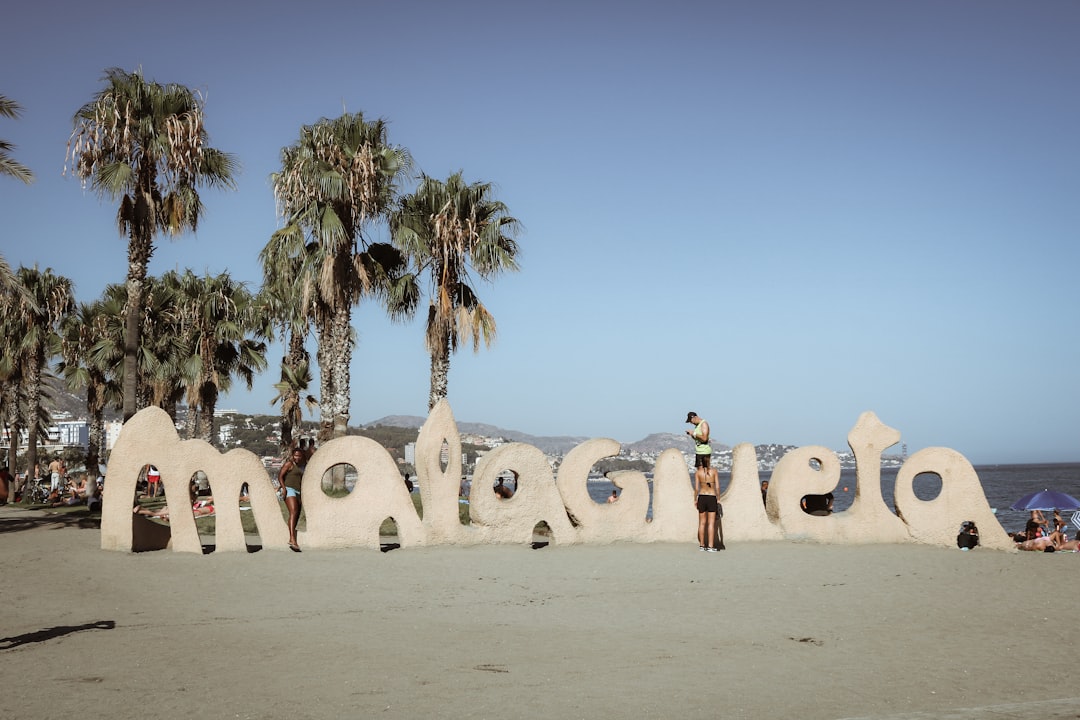
El Centro histórico is my top recommendation for first-time visitors — you’re within walking distance of the Alcazaba, Picasso Museum, and the Calle Larios shopping street. La Malagueta suits beach-lovers: it’s the main urban beach, 1 km from the centre, with a proper promenade. Soho (officially Málaga Arts District) around Calle Tomás Heredia is where younger travellers and digital nomads cluster — better restaurant-to-euro ratio. What surprised me: El Palo, 4 km east, is where actual Malagueños live and eat — cheaper, authentic, and connected by frequent buses. Avoid hotels near Estación María Zambrano unless you’re arriving late by train.
What does accommodation cost per night in Málaga?
Budget hostels in El Centro run €18–28 per dorm bed. A solid mid-range double room costs €70–120/night in shoulder season (April–June). In my experience, the sweet spot is €85–100 for a well-located boutique hotel in Soho or the historic centre. The honest caveat: July and August prices spike to €150–220 for equivalent rooms, and anything near La Malagueta beach adds a 20% premium year-round. My tip: Airbnb apartments in El Perchel or Pedregalejo offer full kitchens for €60–80/night — genuinely useful for longer stays. Parador de Málaga Gibralfaro, inside the castle walls, costs €180+ but the view justifies it once.
How far in advance should I book accommodation in Málaga during high season?
For July and August, book 3–4 months ahead — I cannot stress this enough. In my experience, affordable central hotels in El Centro and La Malagueta sell out by April for summer dates. Shoulder season (April–June, September–October) requires 4–6 weeks advance booking. The caveat most guides omit: Málaga hosts the Feria de Málaga every August (second week) — during this festival, every hotel within 10 km charges peak rates and availability collapses within 48 hours of rooms releasing. My tip: for Feria week specifically, check rural casas in Montes de Málaga (15 km north) as a fallback — they rarely sell out and cost €50–70/night.
Are there special or unique accommodation types in Málaga?
Yes — Málaga offers genuinely distinctive options beyond standard hotels. The Parador de Málaga Gibralfaro is built into the 14th-century castle walls at 130 metres elevation with unobstructed Mediterranean views — book it for at least one night. In El Centro, converted palacios (historic mansions with interior courtyards) operate as boutique hotels; Hotel Palacio Solecio on Calle Granada is a standout. What surprised me: Málaga has a growing cluster of design-led aparthotels in the Soho arts district around Calle Alemania, starting at €75/night, that attract creative-industry travellers. My tip: avoid chain hotels near Puerto Málaga — they charge marina premiums but offer zero authentic neighbourhood character.
Accommodation & Neighbourhoods
What are the must-see sights in Málaga?
The Alcazaba (entry €3.50) and adjacent Castillo de Gibralfaro are non-negotiable — an 11th-century Moorish palace fortress with Roman theatre ruins at its base. The Museo Picasso Málaga on Calle San Agustín houses 233 works and costs €12 general admission. In my experience, the Catedral de Málaga — locally called ‘La Manquita’ (the one-armed lady) because one tower was never completed — reveals more about Málaga’s character than any guidebook explanation. What surprised me: the MIMA contemporary art museum in the old tobacco factory is free on Sundays and genuinely world-class. My tip: the Roman Theatre directly below the Alcazaba is free and undervisited before 11am.
What can I experience for free in Málaga?
More than almost any Spanish city its size. The Roman Theatre at the base of the Alcazaba is free all day. The Museo Picasso offers free entry on Sunday evenings from 6pm (last 2 hours). The Botanic Garden La Concepción — a 19th-century tropical garden 4 km north — is free on Monday mornings. In my experience, walking Calle Larios and the entire historic centre at your own pace beats any paid tour. The honest caveat: Málaga’s best free experience — watching espeto sardine grilling on the beach at El Palo — costs nothing to observe but you’ll inevitably order a round for €8–12. My tip: the Muelle Uno port promenade at sunset is genuinely spectacular and completely free.
Which day trips from Málaga are worth doing?
Ronda is the non-negotiable day trip — a white town perched on a 100-metre gorge called the Tajo, 100 km west by car or 2-hour bus from Málaga’s Estación de Autobuses. Nerja (50 km east, 1 hour 15 minutes by bus) has the best natural beach within easy reach — Playa Maro specifically. In my experience, Granada (1 hour 20 minutes by direct train, €17.50 each way) is worth a full separate stay but feasible as a 12-hour day trip. The honest caveat: Marbella is only 60 km west but frankly disappoints most cultural travellers — it’s a resort town, not a historic city. My tip: Frigiliana (30 minutes from Nerja) is the most beautiful Moorish white village in Andalusia and almost no one combines it with Nerja.
What local specialities should I try in Málaga?
Espetos de sardinas — sardines skewered on cane and grilled over fire on the beach — are Málaga’s defining dish, found authentically only at chiringuitos (beach restaurants) in El Palo and Pedregalejo. Order €8–10 for a full portion. Ajoblanco is a chilled white gazpacho made with almonds and garlic — older and more interesting than the tomato version. Fritura malagueña (mixed fried fish platter) for €12–15 at any seafront restaurant is essential. What surprised me: Málaga produces Moscatel wine and a sweet Málaga DOC fortified wine — try a glass at Antigua Casa de Guardia on Alameda Principal, a wine bar operating continuously since 1840. My tip: avoid any restaurant displaying photos of food outside — it’s a reliable tourist-trap indicator in this city.
Highlights & Must-Sees
What makes Málaga unique compared to other Spanish cities?
Málaga is simultaneously a working Andalusian city and Spain’s fastest-growing cultural destination — that tension is its defining quality. It’s Picasso’s birthplace (born here 1881) and has built a legitimate museum ecosystem around that legacy without becoming a theme park. In my experience, what genuinely distinguishes Málaga is the street art in Soho combined with Moorish fortresses combined with a real fishing neighbourhood (El Palo) — all within 4 km of each other. The honest trade-off: Málaga lacks the monumental grandeur of Seville’s cathedral or Granada’s Alhambra, but it offers more authentic daily-life observation. My tip: the Mercado Central de Atarazanas — a 19th-century iron market hall with a stunning stained-glass window — captures the city’s character in 30 minutes better than any museum.
How many days do I need in Málaga?
3 full days covers Málaga city comprehensively. Day 1: Alcazaba, Roman Theatre, Picasso Museum, and historic centre. Day 2: Soho arts district, Mercado Atarazanas, afternoon at La Malagueta beach. Day 3: El Palo neighbourhood, espetos lunch, and MIMA museum. In my experience, adding 2 extra days unlocks Ronda and Nerja as day trips — making 5 days the ideal total. The honest caveat: Málaga is also used as a base for Costa del Sol resort hopping, which I’d skip — the resorts between Torremolinos and Marbella dilute your experience. My tip: arrive on a Friday to catch the weekend market at Plaza de la Merced (Picasso’s birth square) and the busiest tapas crawl atmosphere on Calle Granada.
When is the best time to visit Málaga?
April, May, and October are the optimal months — temperatures sit at 20–25°C, crowds are manageable, and prices are 30–40% below August peaks. In my experience, May is the single best month: the Cruces de Mayo festival fills the old town with flower-decorated crosses, the sea is swimmable at 18°C, and hotel rooms cost €75–90 rather than €160+. June is excellent but prices begin climbing sharply. The honest caveat: Málaga’s August is genuinely hot at 32–35°C with intense humidity near the coast — it’s not uncomfortable but it limits midday sightseeing. My tip: January and February are secretly wonderful for city tourism — 14–17°C, zero queues at the Alcazaba, and the cheapest flights of the year from northern Europe.
Are there local festivals in Málaga worth attending?
Feria de Málaga (second week of August) is the biggest — a 9-day fair with flamenco, casetas (private party tents), and the entire city in traditional dress. In my experience, the real action is in the Real de la Feria fairground in Cortijo de Torres, not the sanitised city-centre version. Semana Santa (Easter week) in Málaga is arguably Spain’s most emotionally intense — 40 religious brotherhoods parade through the streets over 7 nights, with processions ending dramatically at the Catedral steps. The honest caveat: Semana Santa books out 6 months in advance and hotel prices triple. My tip: the Noche en Blanco (White Night, usually October) turns every museum and gallery free from 8pm to 3am — one of Europe’s best free cultural nights.
Food & Drink
How does the weather affect activities in Málaga?
Málaga averages 300+ sunshine days annually — the most of any continental European city — making outdoor activities viable nearly year-round. Beach season runs June through October with sea temperatures peaking at 24°C in August. In my experience, the Alcazaba and Gibralfaro are brutal in midday July heat — visit before 10am or after 6pm. The honest caveat: Málaga does receive occasional heavy rain between October and March — these aren’t light showers but short, intense downpours that flood Calle Larios briefly. My tip: even in winter, plan outdoor activities for the 11am–3pm window when temperatures reliably reach 16–18°C, and save museums for afternoons when light fades.
How crowded does Málaga get in peak season?
July and August are genuinely crowded — AGP handles 3.5 million passengers in August alone, and the historic centre feels congested between 11am and 3pm. In my experience, the Picasso Museum has 45-minute entry queues without pre-booked tickets in summer. The honest trade-off: Málaga absorbs tourists better than Seville or Granada because it’s a functioning city of 599,063 residents — locals don’t disappear in summer, they just move the evening paseo to 10pm. My tip: the Alcazaba is uncrowded before 9:30am even in August — arrive at opening time (9am) and you’ll have the Moorish courtyards almost entirely to yourself for the first hour.
How safe is Málaga?
Málaga is safe for the overwhelming majority of visitors — violent crime targeting tourists is extremely rare. In my experience, the main threat is opportunistic pickpocketing on Calle Larios, in the Mercado Atarazanas, and on the Cercanías train to the airport. The honest caveat most guides omit: the La Trinidad and El Perchel neighbourhoods (west of the train station) feel rougher at night — not dangerous, but not comfortable for solo travellers after midnight. My tip: use a cross-body bag rather than a backpack in the historic centre, never leave anything visible in a rental car overnight, and trust your instincts around Plaza de la Marina after 2am when nightlife disperses.
Is English widely spoken in Málaga?
In tourist areas, yes — El Centro, La Malagueta, and Soho have strong English fluency among hospitality workers. In my experience, staff at the Picasso Museum, Alcazaba ticket office, and major restaurants all speak functional to excellent English. The honest caveat: venture into El Palo or Pedregalejo beach restaurants and English disappears almost entirely — which I consider a feature, not a bug, since these spots serve the best food. My tip: learn 5 Spanish phrases minimum — ordering in Spanish at a local bar earns immediate goodwill and often a free tapa with your drink. Google Translate’s camera function handles any menu emergency. Málaga’s residents are notably warm toward travellers who make even minimal Spanish effort.
Practical Tips
What is the daily budget for travelling in Málaga?
A realistic budget traveller spends €55–70/day including a hostel dorm (€22), meals at local bars (€15–20), and entry to 1–2 sights. A mid-range traveller in a central hotel needs €120–160/day. In my experience, the biggest variable is accommodation — food and transport are genuinely cheap. A full day including: coffee and tostada breakfast (€3), mercado lunch (€10), afternoon beer and tapas (€8), and a restaurant dinner (€18) totals €39 for food alone. The honest caveat: the Feria week and Semana Santa inflate all costs by 40–60% without any improvement in the experience quality. My tip: the free tapa with every drink culture is still alive at traditional bars on Calle Compás de la Victoria — budget accordingly.
How does public transport work in Málaga?
The EMT bus network covers the entire city with single fares at €1.40 and a rechargeable Tarjeta Transporte card reducing that to €0.59 per journey. In my experience, buses are reliable and air-conditioned — essential in summer. The Cercanías C1 train runs the coast west to Fuengirola (40 minutes, €3.60) and east toward Álora. The honest caveat: Málaga has no metro, which means the hospital district and university areas require bus connections that aren’t intuitive for visitors. My tip: the Tarjeta Transporte costs €1.50 to issue at Málaga-Centro Alameda station and pays for itself within 3 journeys — get one immediately on arrival. The EMT Málaga app shows real-time bus positions and is genuinely accurate.
Which apps do you recommend for Málaga?
EMT Málaga (bus real-time tracking) and Renfe (Cercanías train tickets and schedules) are non-negotiable. In my experience, Google Maps works well for Málaga navigation but Citymapper gives more accurate public transport routing with live delays. For restaurants, ElTenedor (TheFork) offers real-time table bookings with occasional 30–50% discount promotions at mid-range restaurants. The honest caveat: TripAdvisor restaurant rankings in Málaga are heavily distorted toward tourist-facing venues — I use it only to identify places to avoid. My tip: download Málaga Smartcity — the official city app with real-time event listings and free Wi-Fi hotspot maps. For day trips, Alsa app books intercity buses to Ronda and Nerja and is cheaper than buying at the station.
More Destinations in Europe
Explore our complete travel guides for more Europe destinations: Teneriffa Travel Guide (2026), Nancy Travel Guide (2026), Porto Travel Guide (2026), Toulon Travel Guide (2026), Biarritz Travel Guide (2026).
Málaga at a Glance
| Population | 599,063 |
|---|---|
| Currency | EUR (€) |
| Official language | Spanish |
| Time zone | UTC+01:00 |
Source: Wikidata, retrieved August 2026.
Useful Resources for Planning Your Trip to Málaga
- Wikipedia: Málaga — history, geography and background
- Lonely Planet: Málaga — itineraries and travel inspiration
- TripAdvisor: Málaga — hotels, restaurants and traveller reviews
🎥 Málaga Travel Videos
Top Things to Do in Málaga, Spain | Ultimate Málaga Travel …
Martijn Around The World – Travel
Malaga Travel Guide 2026: What’s Changed and What You …
Patrick Guide Barcelona
Malaga Travel Guide – Top Things To Do in MALAGA, Spain
CJ Explores
You are currently viewing a placeholder content from Vimeo. To access the actual content, click the button below. Please note that doing so will share data with third-party providers.
More InformationYou are currently viewing a placeholder content from YouTube. To access the actual content, click the button below. Please note that doing so will share data with third-party providers.
More InformationYou need to load content from reCAPTCHA to submit the form. Please note that doing so will share data with third-party providers.
More InformationYou are currently viewing a placeholder content from GetYourGuide. To access the actual content, click the button below. Please note that doing so will share data with third-party providers.
More Information